
No fees unless we win.
Get a free consultation
128 Reviews
5.0
★★★★★

Railroad Pulmonary Fibrosis Lawyer

Is Pulmonary Fibrosis Linked to Railroad Work?

A Railroad Pulmonary Fibrosis Lawyer from Gianaris Trial Lawyers investigates cases in which railroad workers were exposed to toxic chemicals and later diagnosed with pulmonary fibrosis.

Pulmonary fibrosis is

Gianaris Trial Lawyers can help former railroad workers who were exposed to hazardous chemicals and dangerous work environments potentially seek justice after being diagnosed with pulmonary fibrosis.

Railroad Pulmonary Fibrosis Lawyer

Diagnosed with Pulmonary Fibrosis After Working on the Railroad? Contact Us

Pulmonary fibrosis is a serious condition that occurs when lung tissue becomes scarred, making it harder for oxygen to pass into the bloodstream and reducing overall lung function.

It falls within a broader category of interstitial lung diseases, which can develop from occupational exposures, autoimmune disease, or unknown causes.

Idiopathic pulmonary fibrosis is the best-known form because it has no identifiable cause, but many cases of scarring lung disease are linked to inhaled dusts, fibers, and fumes encountered at work.

Railroad environments can create an increased risk of developing pulmonary fibrosis when workers spend years around airborne particulates in shops, yards, and maintenance settings.

Some people also develop fibrotic lung disease in connection with autoimmune disorders such as rheumatoid arthritis, which can complicate diagnosis and causation analysis.

In more severe cases, scarring can lead to progressive pulmonary fibrosis, where symptoms and functional decline continue despite treatment.

When disease advances and oxygen levels fall, some patients may ultimately be evaluated for a lung transplant as a last-resort option.

This page explains how pulmonary fibrosis may relate to railroad work and what steps a worker or family member can take after diagnosis to evaluate potential legal options under FELA.

If you or a loved one have been diagnosed with pulmonary fibrosis after working on the railroad, you may be eligible to file a claim and seek financial compensation.

Contact Gianaris Trial Lawyers for a free consultation.

You can also use the chat feature on this page to get in touch with our legal team.

What Is Pulmonary Fibrosis?

Pulmonary fibrosis is a form of lung scarring caused by injury to the lung’s interstitium (the tissue around and between the air sacs (alveoli)) that becomes thickened and stiff as scar tissue accumulates.

Mayo Clinic describes pulmonary fibrosis as damage and scarring around/between the alveoli, which reduces normal lung elasticity and gas exchange capacity over time.

Cleveland Clinic likewise characterizes pulmonary fibrosis as scarring and thickening in the lungs and places it within the broader group of interstitial lung diseases.

Pulmonary fibrosis is not one single diagnosis; it describes a scarring pattern that can result from multiple underlying conditions, exposures, or immune processes—so the “why” matters as much as the scarring itself.

In respiratory medicine, clinicians typically diagnose pulmonary fibrosis through a combination of high-resolution chest CT imaging, pulmonary function testing, and a detailed exposure and medical history, with multidisciplinary review and (in select cases) bronchoscopy or biopsy when the cause remains uncertain.
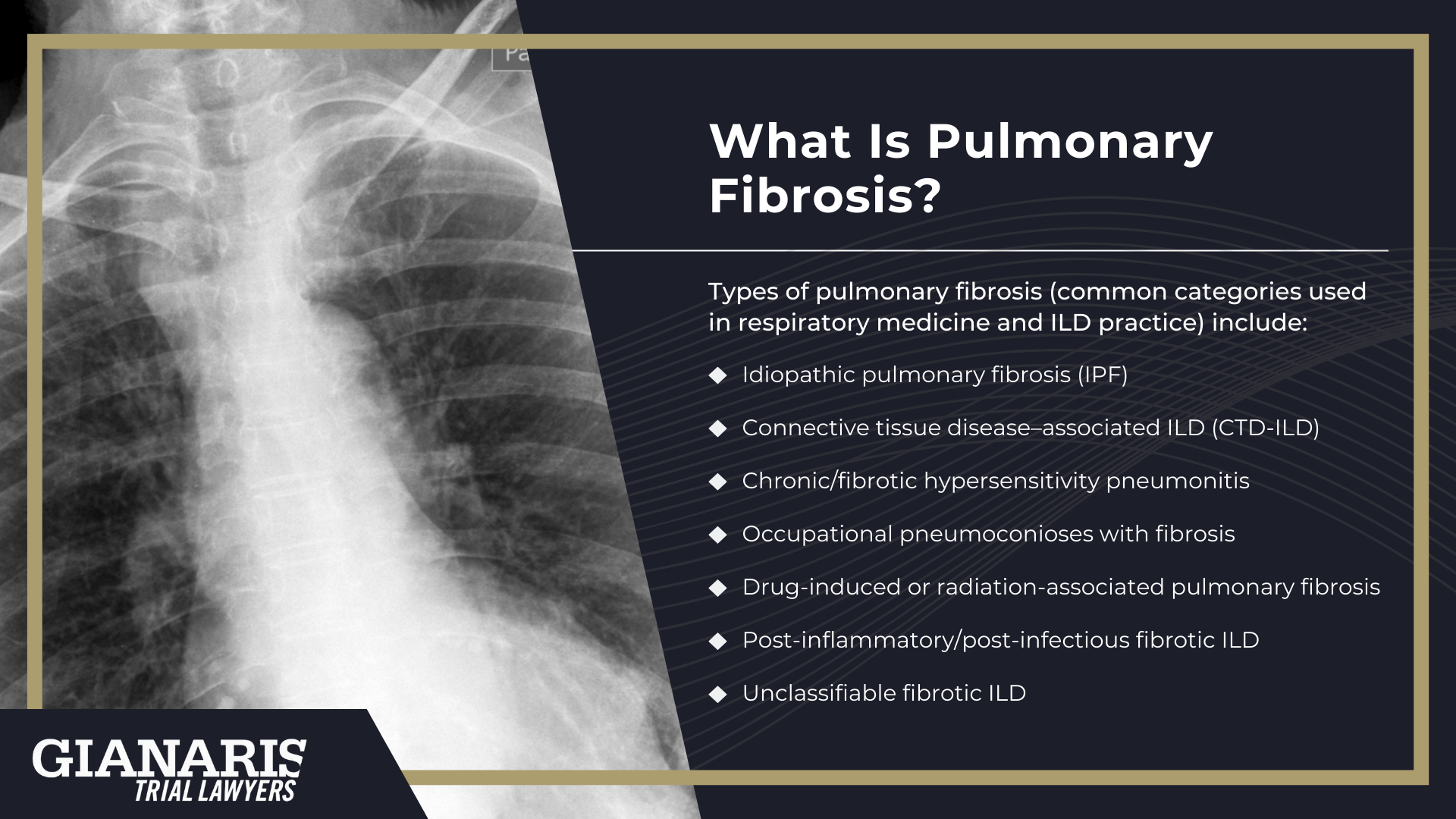
Types of pulmonary fibrosis (common categories used in respiratory medicine and ILD practice) include:

At a high level, pulmonary fibrosis is defined by irreversible structural change: lung damage that becomes fixed scarring—rather than a short-term inflammatory illness.

Some fibrotic ILDs develop a “progressive” phenotype, and clinicians also track destabilizing events such as an acute exacerbation (sudden worsening with new radiographic changes) because that pattern can affect prognosis and evaluation.

Pulmonary fibrosis can also be complicated by pulmonary hypertension, meaning high blood pressure in the lung circulation, which can further affect overall health and is recognized as a potential complication of ILD.

Finally, a growing body of respiratory medicine literature recognizes that pulmonary fibrosis (particularly IPF) can be associated with lung cancer risk, which adds another layer to long-term lung health planning and surveillance.

Symptoms of Pulmonary Fibrosis

Living with pulmonary fibrosis often means adapting to changes that develop gradually as scarring interferes with how the lungs move oxygen through the tiny air sacs.

Early signs may be subtle, but as the disease progresses, breathing becomes more limited and daily activity requires greater effort, which can affect people differently depending on the underlying condition that causes pulmonary fibrosis.

The scarring process is linked to ongoing inflammation and abnormal healing responses, sometimes involving the immune system, which contributes to worsening lung efficiency over time.

As limitations increase, many patients notice a decline in stamina and quality of life, raising understandable concerns about long-term outlook and life expectancy.

While a healthy lifestyle can support overall health, symptoms reflect structural lung changes rather than fitness alone.
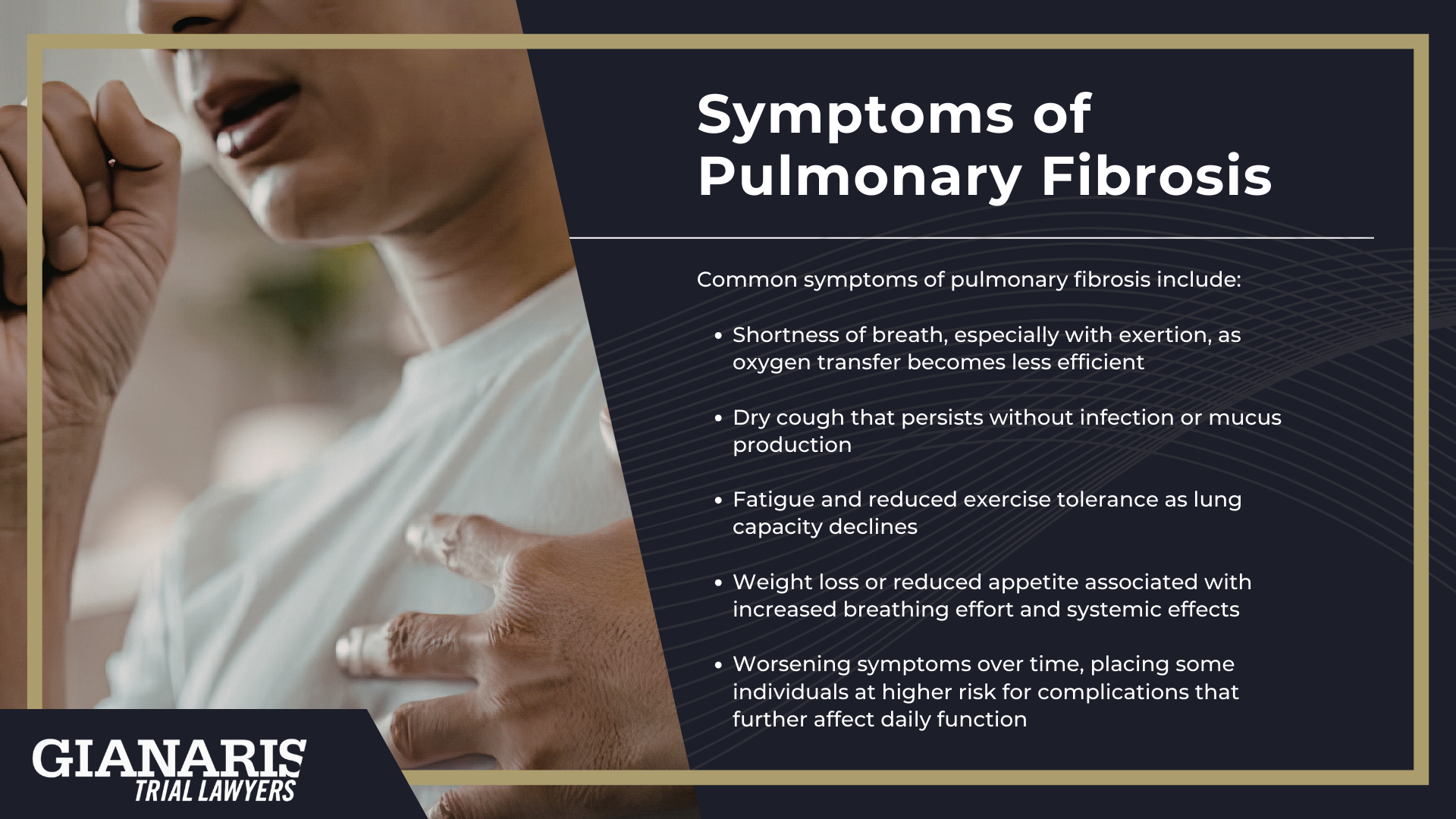
Common symptoms of pulmonary fibrosis include:

  • Shortness of breath, especially with exertion, as oxygen transfer becomes less efficient
  • Dry cough that persists without infection or mucus production
  • Fatigue and reduced exercise tolerance as lung capacity declines
  • Weight loss or reduced appetite associated with increased breathing effort and systemic effects
  • Worsening symptoms over time, placing some individuals at higher risk for complications that further affect daily function

Progression of Pulmonary Fibrosis: Long-Term Health Effects

Pulmonary fibrosis is typically a progressive condition, meaning lung scarring can expand over time and steadily reduce the lungs’ ability to deliver oxygen to the body.

As fibrosis advances, many people require more oxygen to support basic activity, sleep, or exertion, reflecting declining gas exchange capacity.

The pace of progression varies widely.

Some individuals experience a slow, gradual decline, while others worse quickly after a period of relative stability.

This unpredictability is why physicians often monitor patients closely and adjust the clinical course of action based on imaging, pulmonary testing, and functional change.

Certain forms of fibrotic lung disease are more aggressive than others, with idiopathic pulmonary fibrosis often cited as the common form associated with faster progression and poorer outcomes compared to some secondary fibrotic conditions.

Over time, increasing scarring can place strain on the heart and pulmonary circulation, raising the risk of complications that extend beyond the lungs.

Acute worsening episodes may also occur, accelerating decline and disrupting previously stable disease patterns.

Understanding long-term progression is essential for planning care, assessing disability, and evaluating how pulmonary fibrosis affects overall health and independence.

How is Pulmonary Fibrosis Treated?

Pulmonary fibrosis does not have a cure, so treatment focuses on slowing disease activity, preserving lung function, and addressing complications as they arise.

The approach depends on the type of fibrosis, how advanced it is, and how quickly it is changing, which is why management is often individualized.

Physicians may use imaging, pulmonary function testing, and sometimes a lung biopsy to clarify diagnosis before deciding on next steps.

In some cases, prior radiation treatments, autoimmune disease, or occupational exposure history influences which therapies are appropriate.

Care is typically coordinated through a multidisciplinary healthcare team, often involving pulmonologists, radiologists, and other specialists.

Treatment planning also accounts for overall health, comorbidities, and functional limitations.
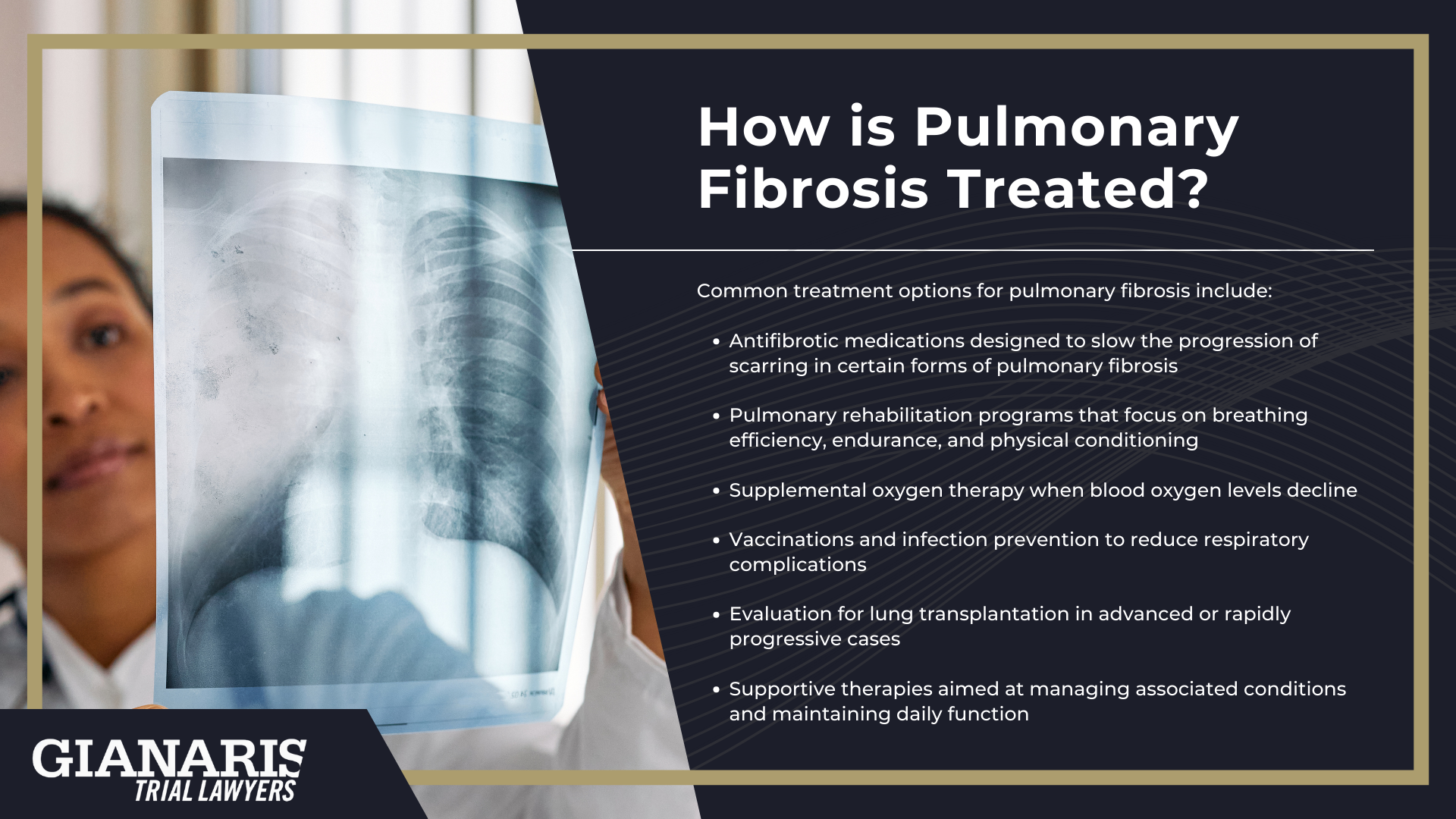
Common treatment options for pulmonary fibrosis include:

  • Antifibrotic medications designed to slow the progression of scarring in certain forms of pulmonary fibrosis
  • Pulmonary rehabilitation programs that focus on breathing efficiency, endurance, and physical conditioning
  • Supplemental oxygen therapy when blood oxygen levels decline
  • Vaccinations and infection prevention to reduce respiratory complications
  • Evaluation for lung transplantation in advanced or rapidly progressive cases
  • Supportive therapies aimed at managing associated conditions and maintaining daily function

Even with treatment, pulmonary fibrosis often requires ongoing monitoring and adjustment of care strategies over time.

Some therapies are intended to stabilize disease rather than reverse existing scarring, which is why early diagnosis can matter.

For individuals with progressive disease, discussions about advanced care planning may become part of the long-term strategy.

Treatment decisions are frequently revisited as imaging, lung function, and symptoms change.

The goal is to balance disease control with quality of life while preparing for future care needs if progression continues.

How is Working in the Railroad Industry Linked to Pulmonary Fibrosis?

Pulmonary fibrosis has been linked to occupational inhalation hazards, and railroad work can present several risk factors that increase the likelihood of developing scarring lung disease over time.

Many railroad roles involve long-term exposure to airborne particulates generated during maintenance, repair, and yard operations, which act as persistent environmental factors affecting lung tissue.

Dust from ballast, cutting, grinding, and welding can be inhaled repeatedly across a career, setting the stage for chronic lung injury.

In certain settings, workers may also encounter coal dust residue, particularly where rail operations intersect with coal transport, loading, or cleanup activities.

Shop and fabrication work can introduce metal dust and fumes into enclosed spaces, where ventilation may be limited and exposure concentrations higher.

Some industrial processes also generate hard metal dusts, which have been associated in occupational medicine with fibrotic lung reactions after prolonged inhalation.

These exposures do not typically cause immediate illness; instead, they contribute to slow, cumulative lung damage that may not become apparent until years later.

When pulmonary fibrosis is diagnosed in someone with a long railroad work history, evaluating these occupational exposures becomes a critical part of understanding how the disease developed.

Inhaled Dust, Fibers, and Fumes in Railroad Settings

Railroad work routinely places employees in environments where airborne particles are generated by maintenance, repair, and daily operations.

These materials are often invisible in the moment, yet repeated inhalation can irritate lung tissue and contribute to long-term scarring.

Exposure tends to be cumulative, building across years rather than arising from a single incident.

Enclosed shops, engine houses, tunnels, and poorly ventilated work areas can concentrate airborne hazards and increase dose.

Different crafts face different mixtures, but many roles involve overlapping exposures during a single shift.

Understanding what was inhaled and where helps explain how chronic lung injury can develop in railroad settings.

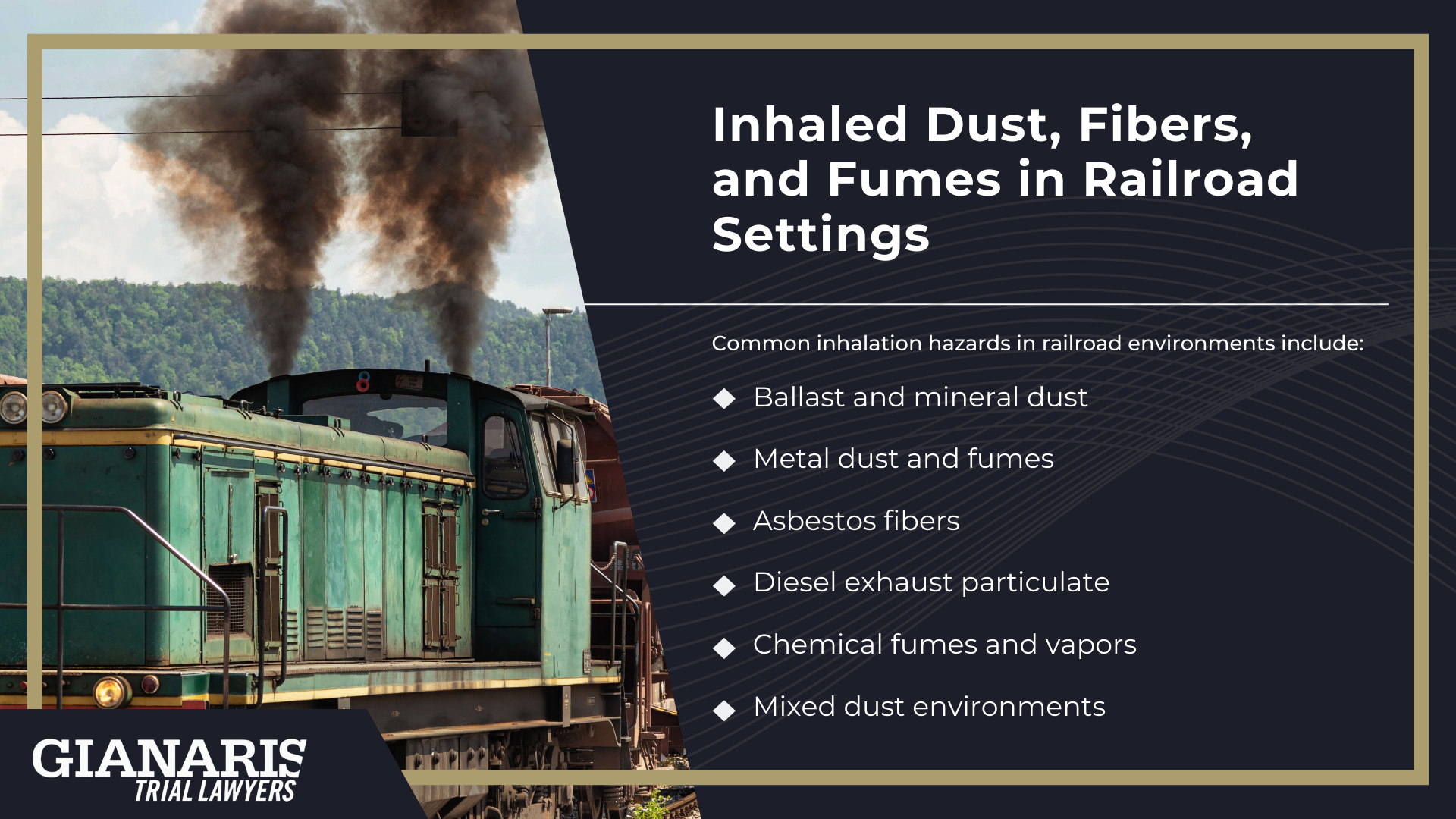
Common inhalation hazards in railroad environments include:

  • Ballast and mineral dust released during track maintenance, tamping, and cutting work
  • Metal dust and fumes from welding, grinding, cutting, and fabrication in shops and yards
  • Asbestos fibers from older insulation, gaskets, brakes, and heat-resistant components
  • Diesel exhaust particulates from locomotives and yard equipment operating nearby
  • Chemical fumes and vapors from solvents, degreasers, paints, and cleaning agents
  • Mixed dust environments where multiple particulates and fumes are present simultaneously, increasing cumulative lung burden

Can You File a FELA Claim for Railroad Pulmonary Fibrosis?

Railroad workers can file a FELA claim for pulmonary fibrosis when workplace conditions and preventable exposures contributed to the development or worsening of the disease.

FELA applies to occupational diseases, not only sudden accidents, which matters because pulmonary fibrosis often appears after years of inhaling dust, fibers, and fumes in railroad settings.

To pursue a claim, the key issue is whether the railroad’s negligence played some role, such as failing to control airborne hazards, neglecting ventilation, or not providing effective respiratory protection and training.

Pulmonary fibrosis cases often require careful medical evaluation because scarring lung disease can have multiple possible causes, including autoimmune disease or prior medical conditions.

A claim typically depends on documenting a credible exposure history tied to specific job duties and locations, along with medical evidence that supports occupational contribution.

Time limits are also important; in occupational disease cases, the limitations period often begins when a worker knew or reasonably should have known that the condition was related to railroad work.

Because fibrosis diagnoses can involve complex testing and long latency, preserving records early can make a meaningful difference.

A strong FELA pulmonary fibrosis claim connects the diagnosis to a clear exposure timeline and explains how reasonable safety measures could have reduced the risk of harmful inhalation exposure.

Gathering Evidence for a Railroad Pulmonary Fibrosis Claim

Pulmonary fibrosis claims depend on showing a clear medical diagnosis and a credible occupational exposure history that explains how scarring could have developed from railroad work.

Because fibrosis can have multiple causes, strong evidence also addresses alternative explanations (such as autoimmune disease, prior radiation, or unrelated environmental exposures) while documenting why railroad inhalation hazards materially contributed.

The most persuasive records usually combine objective imaging and pulmonary testing with detailed job and location history over the worker’s career.

Building a timeline early helps preserve key proof, especially when diagnosis occurs years after the highest-exposure jobs.

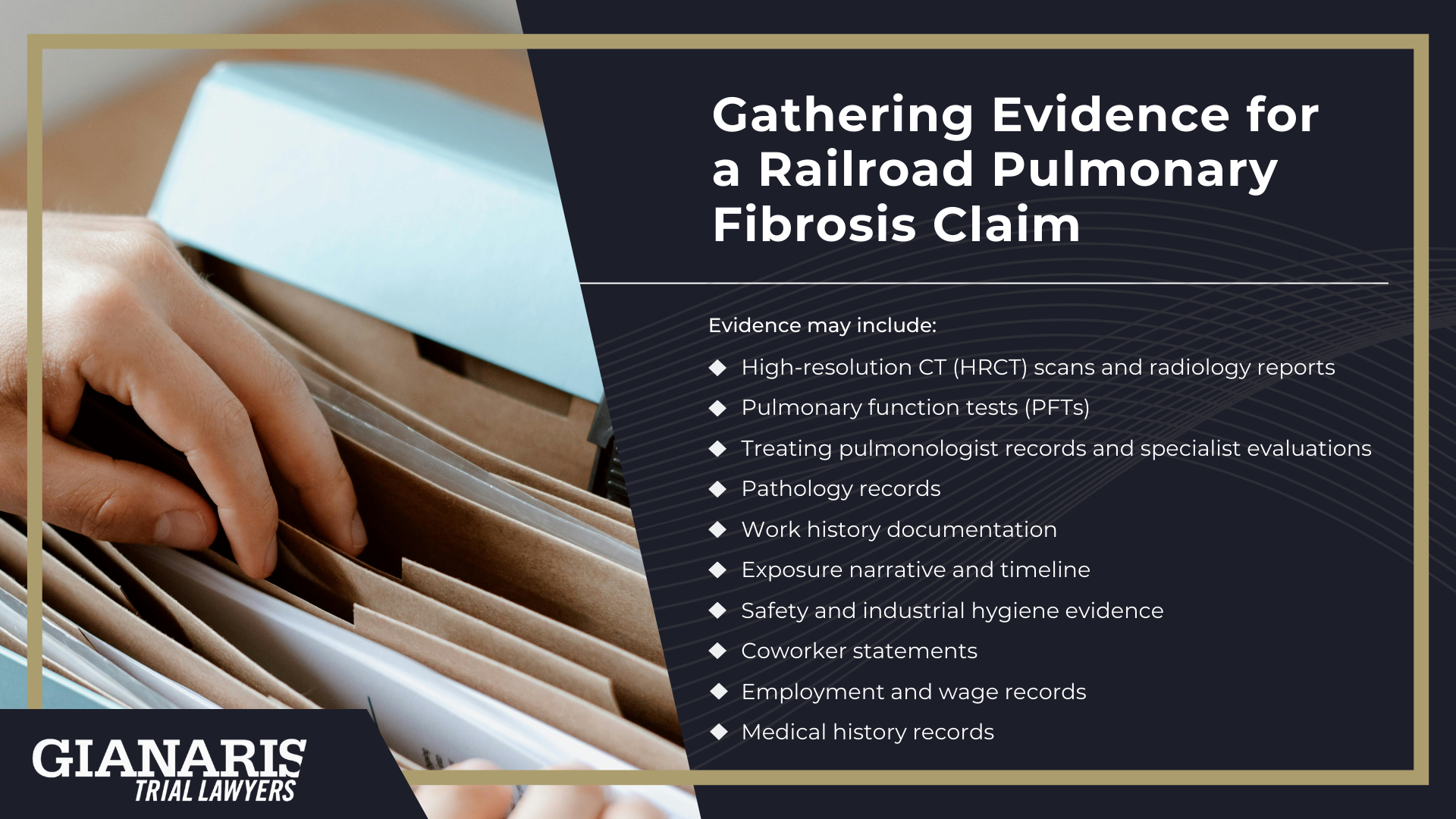
Evidence may include:

  • High-resolution CT (HRCT) scans and radiology reports documenting fibrotic patterns and extent of scarring
  • Pulmonary function tests (PFTs) including diffusion capacity (DLCO) and restrictive impairment findings
  • Treating pulmonologist records and specialist evaluations addressing likely causes and occupational contribution
  • Pathology records if a lung biopsy or bronchoscopy was performed
  • Work history documentation (job titles, crafts, assignments, seniority rosters, shop/yard locations, dates)
  • Exposure narrative and timeline describing dust, fibers, fumes, ventilation conditions, and frequency of exposure
  • Safety and industrial hygiene evidence (respiratory protection programs, air monitoring, ventilation maintenance, training materials)
  • Coworker statements and testimony confirming exposure conditions, visible dust/fume levels, and shop practices
  • Employment and wage records supporting loss of income, work restrictions, or early retirement
  • Medical history records documenting comorbidities and ruling in/out other potential causes of fibrosis

Damages in Railroad Pulmonary Fibrosis Cases

Damages” are the categories of harm a railroad worker can seek compensation for in a FELA case, including both financial losses and the personal impact of living with a serious lung condition.

In pulmonary fibrosis cases, lawyers assess damages by documenting the full medical course of the disease, the cost of care over time, and how scarring affects a worker’s ability to earn a living and function day to day.

This evaluation often relies on objective testing (HRCT imaging, pulmonary function tests, oxygen levels), treatment records, and physician opinions about prognosis and long-term limitations.

Economic losses are typically supported with employment records, wage history, and analysis of how disability or work restrictions affect future earnings.

Non-economic damages are assessed through the severity of limitations, the duration of impairment, and the extent to which pulmonary fibrosis changes daily life and independence.

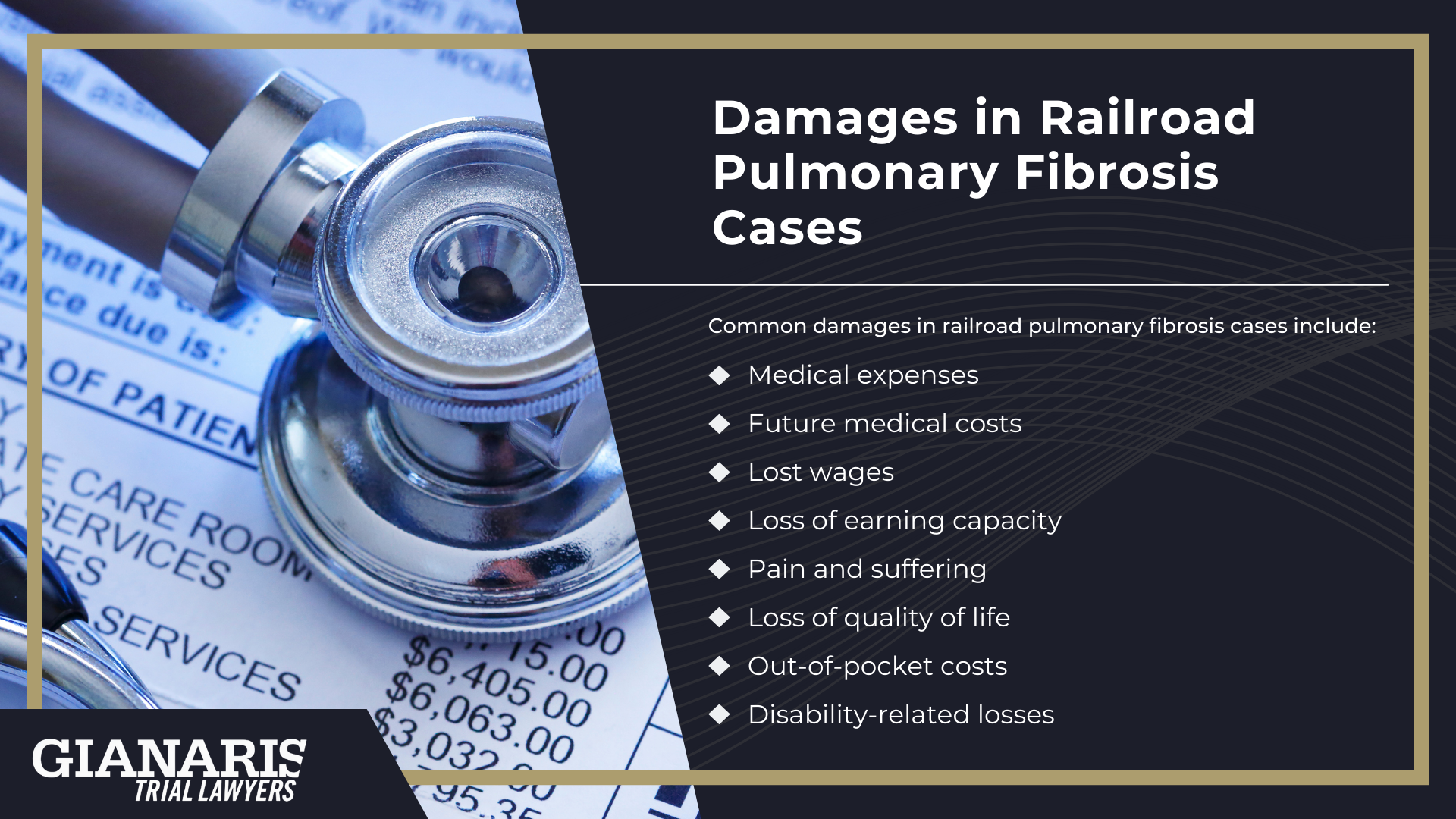
Common damages in railroad pulmonary fibrosis cases include:

  • Medical expenses (specialist care, imaging, pulmonary testing, medications, pulmonary rehab, oxygen equipment, and follow-up care)
  • Future medical costs for long-term monitoring, progression-related treatment needs, and supportive care
  • Lost wages from missed work due to diagnosis, appointments, exacerbations, or inability to continue working
  • Loss of earning capacity when lung scarring prevents returning to the same job, reduces hours, or forces early retirement
  • Pain and suffering tied to chronic breathlessness, fatigue, and functional limitation
  • Loss of quality of life when the disease restricts mobility, independence, and normal activities
  • Out-of-pocket costs (travel for specialty care, home oxygen supplies, home modifications, and related expenses)
  • Disability-related losses if the condition results in permanent impairment or long-term work restrictions

Gianaris Trial Lawyers: Investigating Railroad Pulmonary Fibrosis Cases

Pulmonary fibrosis is not a routine respiratory condition.

It is permanent scarring that can reshape a worker’s life, limiting stamina, reducing independence, and often requiring long-term specialist care.

In railroad cases, the central question is whether years spent around dust, fibers, fumes, and poorly controlled airborne hazards materially contributed to the lung damage now shown on imaging and pulmonary testing.

Answering that question requires a detailed exposure timeline, careful medical documentation, and a clear understanding of what conditions existed in the yards, shops, and maintenance environments where the work was performed.

Gianaris Trial Lawyers investigates railroad pulmonary fibrosis cases by examining job duties, work locations, and the real-world safety practices that governed respiratory exposure on the railroad.

That includes evaluating ventilation conditions, the presence or absence of effective respiratory protection, and whether known hazards were controlled in a way that could have reduced cumulative inhalation exposure.

If you or a family member has been diagnosed with pulmonary fibrosis after a railroad career, an early review can help preserve records, document exposure conditions, and determine whether a FELA claim may be available.

Contact Gianaris Trial Lawyers to discuss your diagnosis and learn whether railroad exposure may support a pulmonary fibrosis claim under FELA.

Frequently Asked Questions

  • What railroad exposures are most commonly investigated in pulmonary fibrosis cases?

    Pulmonary fibrosis cases often focus on inhaled exposures that can injure lung tissue over time and lead to permanent scarring.

    In railroad work, these hazards are most often tied to shop environments, maintenance operations, and track work where dust and fumes are generated during routine tasks.

    Exposure investigations typically look at what materials were present, how often the worker encountered them, and whether ventilation or respiratory protection was realistic in daily practice.

    Common railroad exposures investigated in pulmonary fibrosis cases include:

    • Silica-containing dust from ballast handling, cutting, grinding, and track maintenance
    • Asbestos fibers from older insulation, gaskets, brakes, and heat-resistant components
    • Welding fumes and metal particulates from fabrication, repair, grinding, and cutting work
    • Diesel exhaust particulates from locomotives and yard equipment operating nearby
    • Industrial dust mixtures in shops and yards where multiple airborne hazards overlap
    • Chemical vapors from solvents, degreasers, paints, and cleaning products used in enclosed spaces
  • How long after railroad exposure can pulmonary fibrosis be diagnosed?

    Pulmonary fibrosis can be diagnosed years and sometimes decades after the highest-exposure period, especially when the disease is tied to long-term inhalation of dusts, fibers, or fumes rather than a single event.

    Many work-related fibrotic lung diseases have long latency, meaning scarring can continue to develop even after the worker changes jobs or retires.

    The timing depends on the exposure type, intensity, duration, and whether the worker also has other contributing risk factors such as autoimmune disease or prior lung injury.

    Because fibrosis can appear gradually, diagnosis often happens only after imaging and pulmonary testing are performed for persistent respiratory complaints.

    Factors that can influence when pulmonary fibrosis is identified include:

    • Duration and intensity of exposure (years in high-dust shops, ballast work, welding environments, or enclosed spaces)
    • Type of inhaled material (fibers vs. mineral dust vs. metal fumes vs. mixed exposures)
    • Ventilation and respiratory protection realities during the exposure period
    • Co-existing conditions (autoimmune disease, prior infections, or other lung disorders)
    • When advanced testing occurs (high-resolution CT scans and full pulmonary function testing often drive definitive diagnosis)
  • Is pulmonary fibrosis always the same disease, or can it have different underlying causes?

    No.

    Pulmonary fibrosis is a scarring pattern that can develop from different underlying conditions, exposures, or immune-driven processes, and identifying the cause can shape both medical care and how the case is evaluated.

    Some forms are classified as hypersensitivity pneumonitis, and when scarring becomes permanent, it may be described as chronic hypersensitivity pneumonitis.

    Healthcare professionals often rely on imaging, pulmonary testing, exposure history, and multidisciplinary review to determine which disease category best fits the patient’s presentation.

    Treatment approaches may vary by subtype, and some patients may also be eligible for clinical trials depending on diagnosis and disease characteristics.

  • Is pulmonary fibrosis considered terminal?

    Pulmonary fibrosis is widely treated as a life-limiting, terminal condition, and many people diagnosed with pulmonary fibrosis will eventually die from the disease, even though the pace of decline varies from person to person.

    Life expectancy for individuals with idiopathic pulmonary fibrosis was previously estimated to be 3–5 years from diagnosis, but that figure is increasingly viewed as an older population average that may not reflect outcomes today because newer treatments can slow scarring in some patients.

    Pulmonary fibrosis worsens over time, and some people can stay stable for a long time while others experience rapid progression, which is why prognosis is individualized rather than calendar-based.

    For support and practical guidance, patients and caregivers can join the American Lung Association’s Patient & Caregiver Network to connect with others facing pulmonary fibrosis.

    There are over 89 pulmonary fibrosis support groups around the country that meet informally to share experiences and provide expert information.

    Currently, the Pulmonary Fibrosis Foundation lists 135 support groups in its Support Group Leader Network.

    The Pulmonary Fibrosis Foundation offers a search tool to help find expert pulmonologists and support groups in your area, including its Care Center Network and support-group search features.

Published by:
Share
Picture of Ted Gianaris
Ted Gianaris

With nearly 30 years of legal experience, Attorney Ted Gianaris has secured over $350 million in compensation for Illinois injury victims, car accident victims, and surviving family members of wrongful death victims.

This article has been written and reviewed for legal accuracy and clarity by the team of writers and attorneys at Gianaris Trial Lawyers and is as accurate as possible. This content should not be taken as legal advice from an attorney. If you would like to learn more about our owner and experienced Illinois injury lawyer, Ted Gianaris, you can do so here.

Gianaris Trial Lawyers does everything possible to make sure the information in this article is up to date and accurate. If you need specific legal advice about your case, contact us. This article should not be taken as advice from an attorney.

Additional Occupational Diseases Linked to the Railroad Industry resources on our website:
All
FAQs
Injuries & Conditions
Legal Help
Occupations
Settlements & Compensation
You can learn more about Occupational Diseases Linked to the Railroad Industry below:
Occupational Diseases Linked to the Railroad Industry
Railroad Black Lung Lawsuit
Railroad COPD Lawyer
Railroad Myelodysplastic Syndrome Lawsuit
Railroad Parkinson's Disease Lawsuit
Railroad Scleroderma Lawyer
Railroad Toxic Encephalopathy Lawsuit

Other Occupational Diseases Linked to the Railroad Industry Resources

All
FAQs
Injuries & Conditions
Legal Help
Occupations
Settlements & Compensation