
No fees unless we win.
Get a free consultation
128 Reviews
5.0
★★★★★

Railroad Black Lung Lawsuit [2026 Guide]

Railroad Workers Exposed to Toxic Chemicals at Risk for Black Lung

A railroad black lung lawsuit may offer legal recourse to workers who developed coal workers’ pneumoconiosis from long-term exposure to coal dust during rail operations.

Gianaris Trial Lawyers has the experience and investigative resources to help injured railroad workers or their surviving families pursue claims under the Federal Employers Liability Act (FELA).

Our legal team is committed to uncovering decades of exposure, identifying responsible railroad companies, and fighting for the compensation you deserve.

Railroad Workers with a High Risk of Asbestos Exposure; How Are Railroad Workers Exposed to Asbestos; Asbestos-Related Illnesses in Railroad Workers; FELA Claims for Mesothelioma and Asbestos Related Diseases; Gathering Evidence for a FELA Asbestos Exposure Claim; Recoverable FELA Compensation for Asbestos Claims; Gianaris Trial Lawyers_ Fighting for Railroad Workers Exposed to Asbestos; Who is Eligible to File a FELA Claim; The Legal Process for a FELA Claim Explained; Gathering Evidence for a FELA Lawsuit; Recoverable Damages in FELA Claims; Gianaris Trial Lawyers_ Experienced FELA Attorneys; Types of Workplace Chemical Hazards & How Exposure Occurs; When Workers Can Sue their Employer for Chemical Exposures; Legal Options for Workers Exposed to Hazardous Chemicals; Grounds for Filing a Workplace Chemical Exposure Lawsuit; Do You Qualify for a Workplace Chemical Exposure Lawsuit; Gathering Evidence for a Workplace Chemical Exposure Lawsuit; Possible Damages in Workplace Toxic Exposure Lawsuits; Types of Workplace Chemical Exposure Cases We Have Investigated and Pursued; Gianaris Trial Lawyers_ Investigating Workplace Chemical Hazards and Legal Action; Common Types of Chemical Exposure in the Railroad Industry; How Chemical Exposure Happens on the Job_ Routes, Tasks, and Risk Factors; Major Rail Yards in the St Louis MetWork Environments with the Highest Exposure Risksropolitan Area Potentially Linked to Cancer; Health Conditions Linked to Chemical Exposure in the Railroad Industry; The Federal Employers Liability Act (FELA)_ How Railroad Workers Can Seek Compensation and Justice; Gathering Evidence for Railroad Cancer Claims; Recoverable Damages in a FELA Cancer Case; Gianaris Trial Lawyers_ Seeking Significant Compensation for Railroad Workers; How Door-to-Door Pest Control Works (and What to Look Out For); What Services Do These Door-to-Door Pest Control Companies Offer; Why Door-to-Door Pest Control Contracts Are Often Misleading; Legal Actions Taken Against Door-to-Door Pest Control Companies; Do You Qualify for a Door-to-Door Pest Control Lawsuit; What to Do If You are Already a Customer of a Pest Control Company; What to Do If You are Being Sent to Collections by a Pest Control Company; Gianaris Trial Lawyers_ Investigating Door-to-Door Pest Control Companies; How the EcoShield Pest Solutions Plan Works; An Overview of the Class Action Lawsuit Filed Against EcoShield Pest Solutions; Who Qualifies for the EcoShield Lawsuit; What to Do If You’re Already an EcoShield Customer; What to Do If You’re Being Sent to Collections by EcoShield; Contact Gianaris Trial Lawyers Today; Health Impacts Linked to Coldwater Creek; Coldwater Creek Contamination Injuries; Overview of Coldwater Creek Lawsuits; National Attention and News Coverage; How Gianaris Trial Lawyers Can Help; How is Non-Hodgkin's Lymphoma Linked to Railroad Work; Railroad Job Roles Linked to High Levels of Benzene Exposure & NHL Diagnoses; About Non-Hodgkin's Lymphoma; Sub-Types of Non-Hodgkin’s Lymphoma; Complications of Non-Hodgkin Lymphoma; Types of Cancers Related to Non-Hodgkin’s Lymphoma; Treatment Options for NHL; Do You Qualify for a Railroad Non-Hodgkin's Lymphoma Lawsuit; Gather Evidence for a Non-Hodgkin’s Lymphoma Lawsuit; Damages in Railroad Workers Non-Hodgkin’s Lymphoma Cases; Gianaris Trial Lawyers_ Railroad Cancer Attorneys; How is Lung Cancer Linked to the Railroad Industry; Railroad Jobs Linked to an Increased Risk of Lung Cancer; About Lung Cancer; Lung Cancer Complications; Types of Lung Cancer and Their Relation to Railroad Work; Lung Cancer Treatment Options; Do You Qualify for a Railroad Workers Cancer Lawsuit; Gathering Evidence for a Railroad Lung Cancer Claim; Damages in Railroad Lung Cancer Lawsuits; Gianaris Trial Lawyers_ Railroad Cancer Attorneys; How is Mesothelioma Linked to the Railroad Industry; Railroad Jobs Linked to an Increased Risk of Asbestos Exposure and Mesothelioma; Can I File a Wrongful Death Lawsuit if My Loved One Passed Away of Mesothelioma; About Mesothelioma; How is Mesothelioma Linked to the Railroad Industry; Railroad Jobs Linked to an Increased Risk of Asbestos Exposure and Mesothelioma; Can I File a Wrongful Death Lawsuit if My Loved One Passed Away of Mesothelioma; About Mesothelioma; Types of Mesothelioma; Do You Qualify for a Railroad Worker Asbestos Exposure Lawsuit; Gathering Evidence to Secure Mesothelioma Compensation; Possible Damages in Mesothelioma Cases; Gianaris Trial Lawyers_ Experienced Railroad Mesothelioma Lawyers; How is Black Lung (Coal Worker's Pneumoconiosis) Linked to the Railroad Industry; Railroad Jobs at an Increased Risk of Black Lung and Coal Dust Exposure; How is Black Lung (Coal Worker's Pneumoconiosis) Linked to the Railroad Industry; Railroad Jobs at an Increased Risk of Black Lung and Coal Dust Exposure; Symptoms and Complications of Black Lung Disease; Do You Qualify for a Railroad Black Lung Lawsuit; Gathering Evidence for a Railroad Black Lung Claim; Possible Damages in Mesothelioma Cases; Gianaris Trial Lawyers_ Experienced Railroad Injury Attorneys; What Is an Oil Refinery; Types of Chemicals and Pollutants from Oil Refineries; Oil Refinery Processes that Drive Exposure; Health Effects Linked to Oil Refinery Exposures; Oil Refinery Exposure Pathways and Who’s at Risk; Types of Cancer Linked to Oil Refineries; Non‑Cancer Health Effects Linked to Oil Refineries; Regulating and Monitoring Oil Refineries; Who May Qualify for an Oil Refinery Lawsuit; Legal Theories Used in Oil Refinery Exposure Cases; Evidence That Strengthens an Oil Refinery Case; Practical Steps If You Suspect Refinery‑Related Exposure; Gianaris Trial Lawyers_ Investigating Toxic Oil Refineries, Impacted Workers, and Exposed Communities

Do You Need Help from a Railroad Worker Injury Lawyer?

Railroad workers involved in the transportation of coal or those frequently exposed to coal dust may face an increased risk of developing black lung disease, a serious and potentially fatal respiratory condition.

Although commonly associated with miners, black lung is increasingly being recognized among workers in the railroad industry, particularly those with long-term exposure to coal dust in enclosed spaces or during transit operations.

These cases fall under the broader category of railroad cancer and occupational exposures, as coal dust inhalation has been linked to chronic lung disease and related complications.

Under the Federal Employers Liability Act (FELA), railroad workers suffering from black lung may be entitled to pursue compensation if employer negligence contributed to their illness.

Railroad companies have a legal obligation to provide safe working environments and take steps to protect workers from toxic exposures like coal dust.

However, many workers were not adequately warned or provided with proper respiratory protection during their years of service.

As more evidence emerges connecting coal dust exposure to black lung among railroad employees, FELA claims are playing a critical role in holding employers accountable.

Gianaris Trial Lawyers stands ready to represent railroad workers diagnosed with black lung disease and their families in pursuing justice and financial support.

If you or a loved one has been diagnosed with black lung disease after years of working in the railroad industry, you may be eligible to file a Railroad Black Lung Lawsuit and pursue compensation for medical expenses, lost income, and long-term care.

Contact Gianaris Trial Lawyers today for a free consultation.

You can also use the chat feature on this page to find out if you qualify for a railroad workers black lung claim instantly.

How is Black Lung (Coal Worker's Pneumoconiosis) Linked to the Railroad Industry?

While black lung disease (coal workers’ pneumoconiosis, or CWP) is most commonly diagnosed among underground coal miners, the railroad industry (particularly workers involved in the transportation of coal) may also face occupational exposures that significantly elevate their risk.

Coal dust can generate hazardous particulate matter when loaded, transported, dumped, or cleaned in enclosed or semi-enclosed rail cars, and it may accumulate in poorly ventilated engine compartments and rail yards.

Even short‑term exposure in confined spaces with high concentrations of coal dust can contribute to cumulative lung damage over time.

Railroad employees who regularly handled coal or worked near trains carrying coal are subject to prolonged exposure, which can cause lung inflammation, fibrosis, and ultimately black lung disease.

These dangerous substances trigger the same pathophysiology as seen in miners, including chronic inflammation and lung scarring as macrophages engulf coal particles that penetrate deep into the bronchioles

Although black lung among railroad workers is rare, studies show that workers at ports and rail facilities who handle coal frequently exhibit radiographic evidence of pneumoconiosis, and advocates have called for broader screening protocols to identify affected individuals.

Because coal dust exposure can continue even after leaving the job, incidence may increase over time, with symptoms like shortness of breath and chest tightness often emerging years later.

These cases may support railroad cancer litigation or FELA occupational illness claims, especially when coal transport and rail yard duties involved repeated contact with coal dust.

Families should also investigate whether railroad companies warned workers about risks or provided adequate protections.

Workers diagnosed with black lung after railroad employment may have grounds to pursue legal action, including compensation under FELA for medical expenses, lost income, and other damages.
How is Black Lung (Coal Worker's Pneumoconiosis) Linked to the Railroad Industry

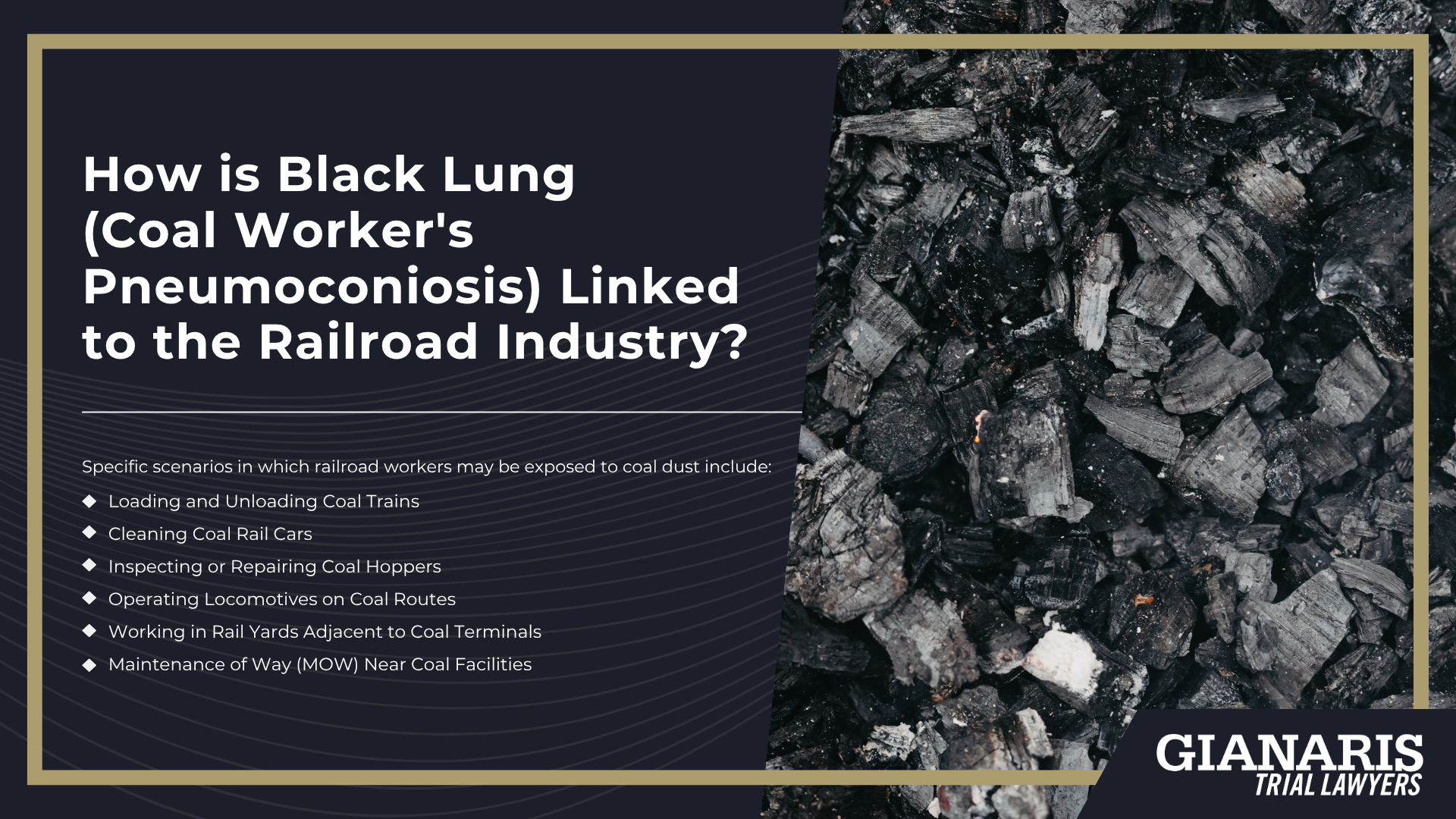
Specific scenarios in which railroad workers may be exposed to coal dust include:

  • Loading and Unloading Coal Trains – Workers stationed at terminals or yards where coal is actively loaded or offloaded may inhale concentrated coal dust clouds released during the dumping process.
  • Cleaning Coal Rail Cars – Employees assigned to clean or maintain coal-hauling cars often disturb residual coal dust trapped in corners, joints, or liners, creating airborne particulates.
  • Inspecting or Repairing Coal Hoppers – Carmen, inspectors, and maintenance workers may be exposed to coal dust when examining or welding on cars previously used to haul coal, especially if proper ventilation or dust suppression is lacking.
  • Operating Locomotives on Coal Routes – Engineers and conductors on trains transporting coal may encounter persistent low-level dust from uncovered cars, particularly when windows or ventilation systems pull in external air from coal dust-laden routes.
  • Working in Rail Yards Adjacent to Coal Terminals – Yard workers and flaggers stationed near stockpiles or staging areas may be exposed to ambient dust stirred up by wind, equipment, or passing trains.
  • Maintenance of Way (MOW) Near Coal Facilities – Track workers performing repairs or inspections on lines serving coal terminals may disturb coal-contaminated ballast or breathe in residual dust along the right-of-way.

Railroad Jobs at an Increased Risk of Black Lung and Coal Dust Exposure

Railroad workers involved in the transportation, handling, and maintenance of coal shipments may face a heightened risk of inhaling harmful coal dust over time.

While black lung disease (more formally known as coal workers’ pneumoconiosis) is more commonly associated with underground miners, certain railroad job roles regularly involve significant exposure to coal dust during loading, transit, and maintenance.

These exposures may be cumulative and often occur in confined or poorly ventilated spaces, especially in yards, shops, or along active coal routes.

Workers may not always be provided with proper protective equipment, nor adequately warned of the potential long-term respiratory risks associated with repeated contact with coal dust.

As a result, railroad workers in specific positions may face an elevated risk of developing serious lung disease after years of occupational exposure.
How is Black Lung (Coal Worker's Pneumoconiosis) Linked to the Railroad Industry; Railroad Jobs at an Increased Risk of Black Lung and Coal Dust Exposure

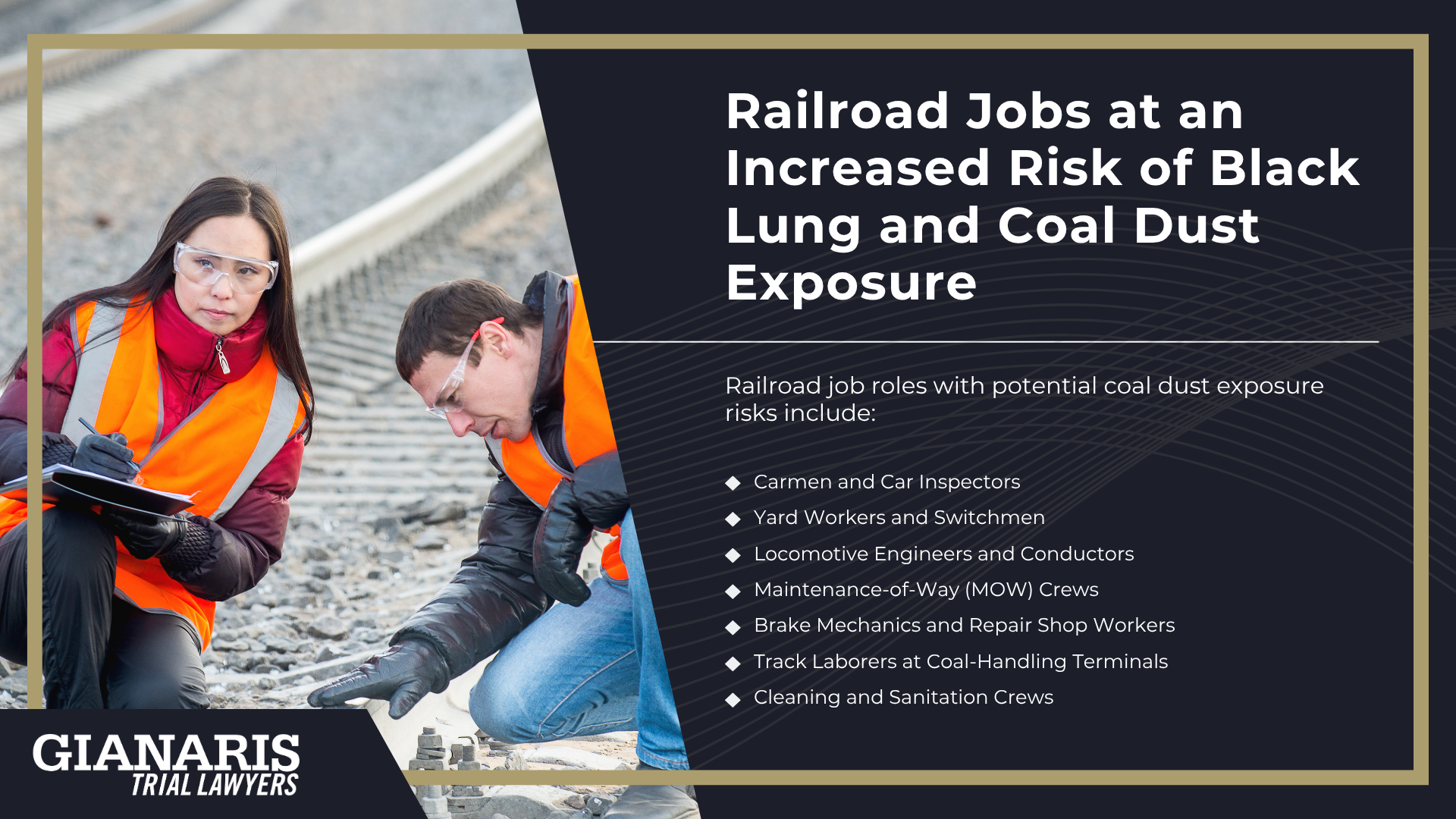
Railroad job roles with potential coal dust exposure risks include:

  • Carmen and Car Inspectors – Inspect and repair coal hopper cars, often working in confined areas with residual coal dust buildup.
  • Yard Workers and Switchmen – Spend long hours near coal terminals, stockpiles, or on coal-carrying routes where dust disperses from open cars.
  • Locomotive Engineers and Conductors – Operate trains carrying uncovered coal loads, potentially inhaling airborne particles pulled into the cab during transit.
  • Maintenance-of-Way (MOW) Crews – Perform track maintenance on routes heavily trafficked by coal shipments, disturbing coal-contaminated ballast and materials.
  • Brake Mechanics and Repair Shop Workers – Work inside enclosed facilities or pits where residual coal dust from train cars may accumulate in the air and on surfaces.
  • Track Laborers at Coal-Handling Terminals – Regularly operate heavy equipment or conduct inspections in areas with persistent coal dust contamination.
  • Cleaning and Sanitation Crews – Tasked with removing coal residue from railcars and facility floors without appropriate respiratory protection.
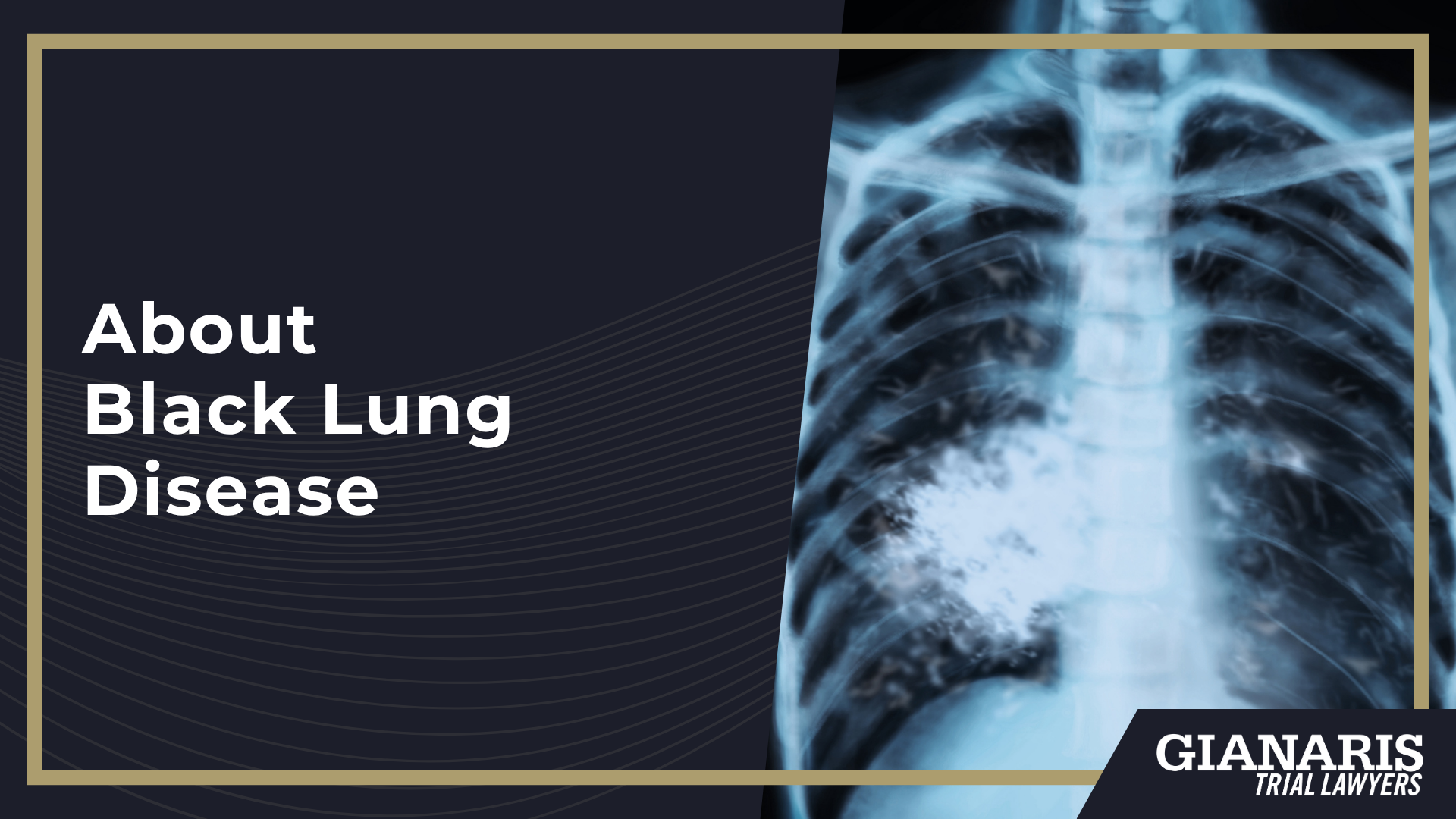
About Black Lung Disease

Black lung disease, also known as coal workers’ pneumoconiosis (CWP), is a chronic and incurable lung condition caused by the inhalation of coal dust particles over time.

It primarily affects workers in industries with prolonged or repeated exposure to airborne coal dust, most notably coal mining and coal transportation sectors, including segments of the railroad industry.

When coal dust is inhaled, it accumulates in the lungs and is not easily cleared by the body, leading to inflammation, scarring (fibrosis), and long-term respiratory dysfunction.

There are two main types of black lung disease: simple CWP, which causes minor symptoms and lung abnormalities, and complicated CWP (also called progressive massive fibrosis), which results in severe scarring, extensive lung damage, and significant impairment of lung function.

Both forms can cause coughing, shortness of breath, chest tightness, and reduced exercise tolerance.

Over time, black lung disease can progress even without continued exposure, placing affected workers at risk of permanent disability or death.

The Centers for Disease Control and Prevention (CDC) and the National Institute for Occupational Safety and Health (NIOSH) have documented a resurgence of black lung cases in recent decades, particularly in regions with intensive coal handling.

Although traditionally associated with miners, railroad workers involved in the transport, loading, maintenance, and cleanup of coal shipments may also develop this disease, especially if they worked around open coal cars, dusty terminals, or lacked adequate respiratory protection.

Diagnosis typically involves chest X-rays, pulmonary function tests, and occupational history reviews, often followed by CT scans to evaluate disease severity.

How is Black Lung (Coal Worker's Pneumoconiosis) Linked to the Railroad Industry; Railroad Jobs at an Increased Risk of Black Lung and Coal Dust Exposure; How is Black Lung (Coal Worker's Pneumoconiosis) Linked to the Railroad Industry; Railroad Jobs at an Increased Risk of Black Lung and Coal Dust Exposure

Unfortunately, there is no cure for black lung disease, and treatment is generally focused on symptom management, oxygen therapy, and preventing further exposure.

In advanced cases, some patients may require lung transplantation.

Given the long latency period (often 10 to 20 years after exposure) many railroad workers are unaware they have the disease until significant damage has occurred.

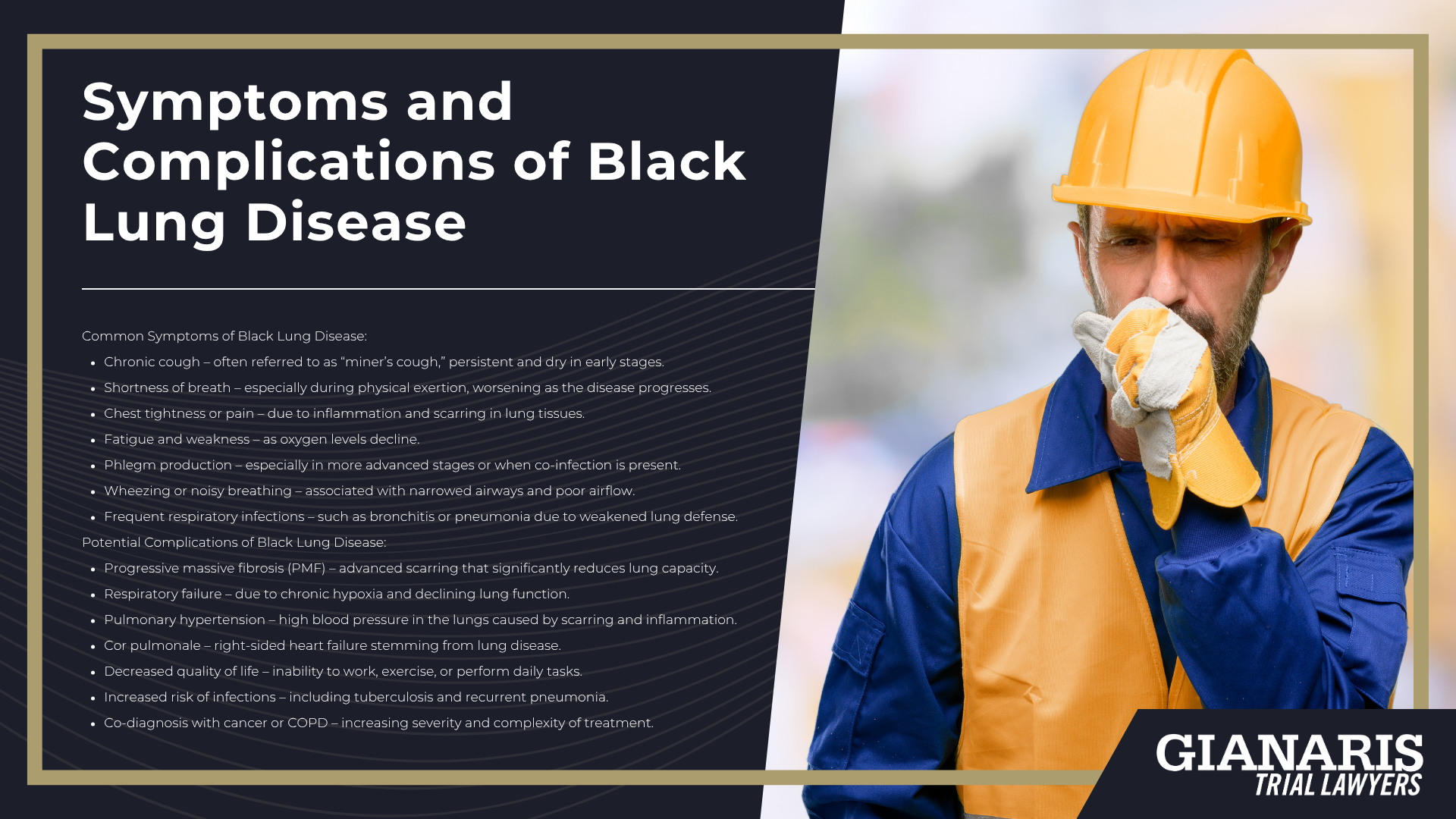
Symptoms and Complications of Black Lung Disease

Black lung disease develops gradually as coal dust particles accumulate in the lungs due to long-term workplace exposures.

The symptoms often appear years after initial exposure, and many injured workers may mistake them for general aging or smoking-related conditions.

However, black lung has distinct clinical features, particularly when exposure has been prolonged and occurred without proper respiratory protection.

How is Black Lung (Coal Worker's Pneumoconiosis) Linked to the Railroad Industry; Railroad Jobs at an Increased Risk of Black Lung and Coal Dust Exposure; How is Black Lung (Coal Worker's Pneumoconiosis) Linked to the Railroad Industry; Railroad Jobs at an Increased Risk of Black Lung and Coal Dust Exposure; Symptoms and Complications of Black Lung Disease

Common Symptoms of Black Lung Disease:

  • Chronic cough – often referred to as “miner’s cough,” persistent and dry in early stages.
  • Shortness of breath – especially during physical exertion, worsening as the disease progresses.
  • Chest tightness or pain – due to inflammation and scarring in lung tissues.
  • Fatigue and weakness – as oxygen levels decline.
  • Phlegm production – especially in more advanced stages or when co-infection is present.
  • Wheezing or noisy breathing – associated with narrowed airways and poor airflow.
  • Frequent respiratory infections – such as bronchitis or pneumonia due to weakened lung defense.

While black lung disease is not a form of cancer, it may exist alongside or contribute to the development of other serious conditions triggered by other dangerous substances encountered in rail work.

It is important to distinguish black lung disease from lung cancer or chronic obstructive pulmonary disease (COPD):

  • Lung cancer often results from exposure to carcinogens like diesel exhaust, asbestos, or silica, and presents with nodules, hemoptysis (coughing blood), and systemic signs of malignancy.
  • COPD, which includes chronic bronchitis and emphysema, causes irreversible airflow limitation and is most often related to smoking or toxic industrial dusts and fumes.

Potential Complications of Black Lung Disease:

  • Progressive massive fibrosis (PMF) – advanced scarring that significantly reduces lung capacity.
  • Respiratory failure – due to chronic hypoxia and declining lung function.
  • Pulmonary hypertension – high blood pressure in the lungs caused by scarring and inflammation.
  • Cor pulmonale – right-sided heart failure stemming from lung disease.
  • Decreased quality of life – inability to work, exercise, or perform daily tasks.
  • Increased risk of infections – including tuberculosis and recurrent pneumonia.
  • Co-diagnosis with cancer or COPD – increasing severity and complexity of treatment.

These complications often emerge after a cancer diagnosis, making timely evaluation critical for anyone with a railroad work history and respiratory issues.

Medical Treatment of Black Lung Disease

Medical treatment for black lung disease focuses on managing symptoms and slowing the progression of lung damage, as there is no known cure for the condition.

Physicians often recommend bronchodilators to help open airways and make breathing easier, especially in moderate to severe cases.

Inhaled corticosteroids or oral medications may also be prescribed to reduce inflammation in the lungs.

For individuals with advanced disease or low oxygen levels, supplemental oxygen therapy can improve quality of life and help prevent complications like pulmonary hypertension.

Pulmonary rehabilitation programs are commonly used to support respiratory function and stamina through supervised exercise and education.

In cases of severe lung damage, lung transplantation may be considered, although this is rare and highly selective.

Do You Qualify for a Railroad Black Lung Lawsuit?

Qualifying for a Railroad Black Lung Lawsuit involves proving that prolonged coal dust exposure or related particulates from railroad operations contributed directly to your respiratory condition.

Black lung disease is different than lung cancer or chronic obstructive pulmonary disorder (COPD), though all three may stem from long-term workplace exposure to harmful airborne materials.

Many railroad workers were regularly exposed to coal dust, diesel particulates, and railroad bed exhaust without being warned of the potential risks by their railroad employers.

Under the Federal Employers Liability Act (FELA), injured railroad workers may be eligible to seek compensation for occupational illnesses caused by negligence or unsafe working conditions.

This includes failure to provide proper protective equipment, poor ventilation in confined workspaces, or a lack of dust mitigation during the transportation of coal and other bulk materials.

How is Black Lung (Coal Worker's Pneumoconiosis) Linked to the Railroad Industry; Railroad Jobs at an Increased Risk of Black Lung and Coal Dust Exposure; How is Black Lung (Coal Worker's Pneumoconiosis) Linked to the Railroad Industry; Railroad Jobs at an Increased Risk of Black Lung and Coal Dust Exposure; Symptoms and Complications of Black Lung Disease; Do You Qualify for a Railroad Black Lung Lawsuit

Filing a FELA claim is a complex process that often requires medical evidence, employment history, and documentation of exposure.

Workers diagnosed with pneumoconiosis or similar occupational respiratory conditions should consult with an experienced attorney to evaluate their eligibility.

Gianaris Trial Lawyers helps workers and their families through the legal process to pursue justice and hold negligent railroad companies accountable.

Gathering Evidence for a Railroad Black Lung Claim

Strong evidence is essential to building a successful Railroad Black Lung claim under the Federal Employers Liability Act (FELA).

Workers must demonstrate that their condition resulted from prolonged exposure to coal dust or related substances during their railroad employment.

Gianaris Trial Lawyers can help identify, collect, and organize the evidence needed to support a claim, including connecting clients with trusted medical experts and investigators.

Their team works closely with affected workers and families to document the full scope of exposure and damages.

How is Black Lung (Coal Worker's Pneumoconiosis) Linked to the Railroad Industry; Railroad Jobs at an Increased Risk of Black Lung and Coal Dust Exposure; How is Black Lung (Coal Worker's Pneumoconiosis) Linked to the Railroad Industry; Railroad Jobs at an Increased Risk of Black Lung and Coal Dust Exposure; Symptoms and Complications of Black Lung Disease; Do You Qualify for a Railroad Black Lung Lawsuit; Gathering Evidence for a Railroad Black Lung Claim

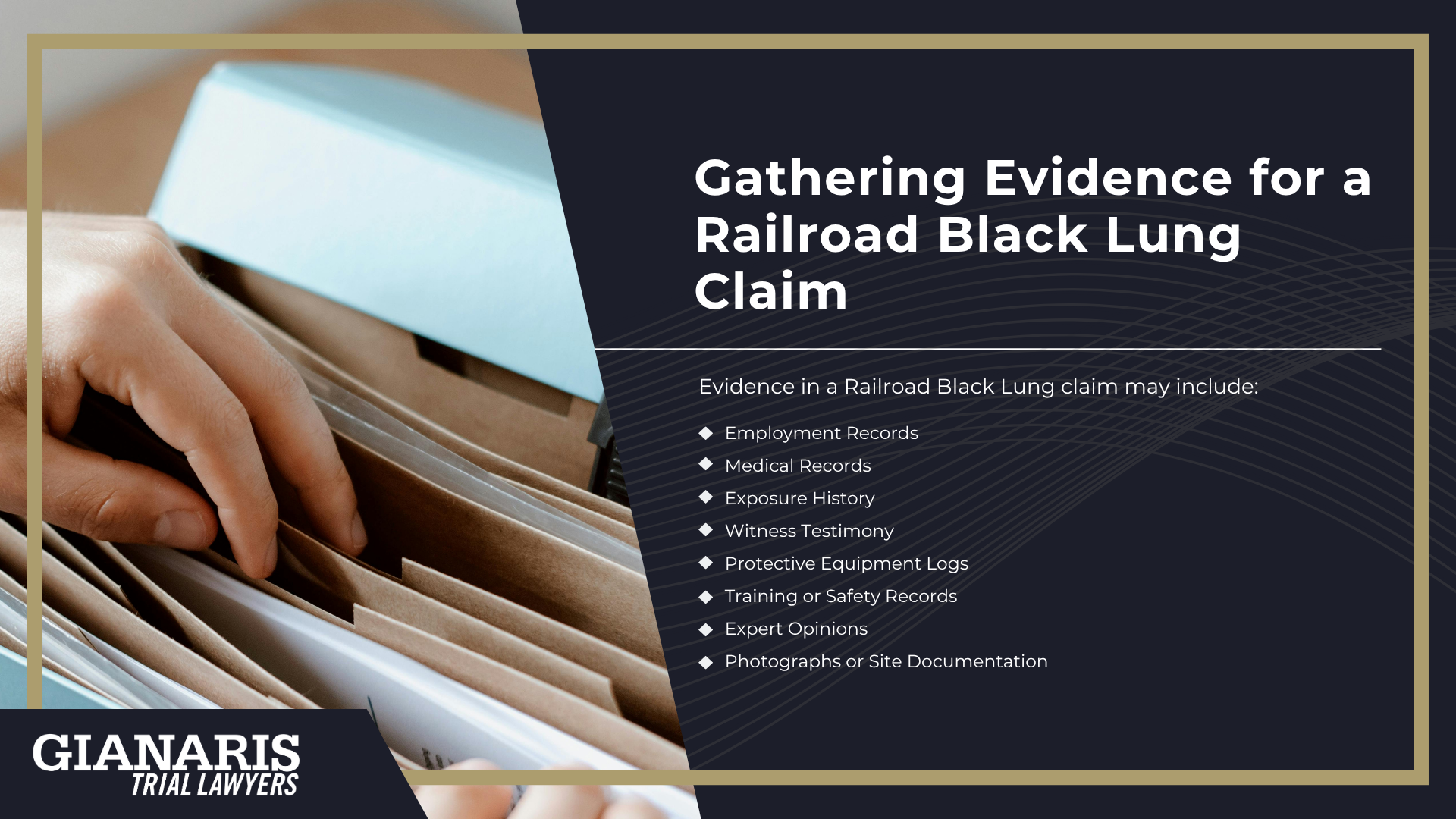
Evidence in a Railroad Black Lung claim may include:

  • Employment Records – Proof of job roles, duration of employment, employment status, and work assignments involving coal transport or maintenance.
  • Medical Records – Diagnosis of black lung disease or pneumoconiosis, chest X-rays, CT scans, pulmonary function tests, and specialist reports.
  • Exposure History – Documentation of work in environments with visible coal dust, poor ventilation, or diesel exhaust buildup.
  • Witness Testimony – Statements from coworkers or supervisors confirming unsafe conditions or regular coal dust exposure.
  • Protective Equipment Logs – Evidence showing lack of or inadequate respiratory protection.
  • Training or Safety Records – Proof that workers were not properly warned about the dangers of coal dust or other harmful substances.
  • Expert Opinions – Medical or occupational health experts linking the worker’s condition to railroad exposures.
  • Photographs or Site Documentation – Visual proof of conditions in rail yards, maintenance facilities, or loading zones where coal was handled.

Damages in Railroad Black Lung Cases

Securing fair compensation in a Railroad Black Lung case requires proving not only the medical impact of the disease but also its long-term effects on a worker’s life and livelihood.

Because black lung is a progressive condition, damages often extend beyond immediate health issues and into future financial hardship, loss of quality of life, and emotional suffering.

Under the Federal Employers Liability Act (FELA), railroad workers have the right to pursue compensation directly from negligent railroad employers who failed to provide a safe working environment.

Gianaris Trial Lawyers help clients calculate and pursue the full range of damages they are legally entitled to recover.

How is Black Lung (Coal Worker's Pneumoconiosis) Linked to the Railroad Industry; Railroad Jobs at an Increased Risk of Black Lung and Coal Dust Exposure; How is Black Lung (Coal Worker's Pneumoconiosis) Linked to the Railroad Industry; Railroad Jobs at an Increased Risk of Black Lung and Coal Dust Exposure; Symptoms and Complications of Black Lung Disease; Do You Qualify for a Railroad Black Lung Lawsuit; Gathering Evidence for a Railroad Black Lung Claim; Possible Damages in Mesothelioma Cases

Potential damages in a Railroad Black Lung case may include:

  • Medical Expenses – Costs for diagnosis, respiratory therapy, oxygen treatment, medications, and long-term pulmonary care.
  • Lost Wages – Compensation for time off work, reduced hours, or permanent disability caused by black lung disease.
  • Future Earnings Loss – Economic losses tied to reduced earning potential or forced early retirement due to lung impairment.
  • Pain and Suffering – Non-economic damages related to chronic shortness of breath, fatigue, sleep disturbances, and reduced physical ability.
  • Loss of Enjoyment of Life – Damages for the inability to perform daily tasks or participate in activities once enjoyed.
  • Emotional Distress – Anxiety, depression, and psychological effects of a long-term occupational illness.
  • Wrongful Death Damages – In fatal cases, surviving family members may seek compensation for funeral costs, loss of consortium, and future support.
  • Punitive Damages – In some cases, when gross negligence can be proven, additional damages may be awarded to punish the railroad employer.

Gianaris Trial Lawyers: Experienced Railroad Injury Attorneys

Railroad workers exposed to hazardous conditions deserve representation from a legal team that understands the unique challenges of occupational illness claims.

At Gianaris Trial Lawyers, we focus on helping injured railroad employees and their families seek justice under the Federal Employers Liability Act (FELA) for diseases caused by long-term workplace exposures.

Whether you’re facing a diagnosis like black lung, mesothelioma, lung cancer, bladder cancer, kidney cancer, or another serious illness linked to your time in the railroad industry, our attorneys are prepared to fight for full and fair compensation.

How is Black Lung (Coal Worker's Pneumoconiosis) Linked to the Railroad Industry; Railroad Jobs at an Increased Risk of Black Lung and Coal Dust Exposure; How is Black Lung (Coal Worker's Pneumoconiosis) Linked to the Railroad Industry; Railroad Jobs at an Increased Risk of Black Lung and Coal Dust Exposure; Symptoms and Complications of Black Lung Disease; Do You Qualify for a Railroad Black Lung Lawsuit; Gathering Evidence for a Railroad Black Lung Claim; Possible Damages in Mesothelioma Cases; Gianaris Trial Lawyers_ Experienced Railroad Injury Attorneys

Contact Gianaris Trial Lawyers today to speak with experienced railroad injury attorneys who will help you gather evidence, understand your legal rights, and build a strong case.

Your consultation is free, and you won’t pay unless we recover compensation on your behalf.

You can also use the chat feature on this page to find out if you qualify for a railroad black lung or railroad cancer lawsuit.

Frequently Asked Questions

Published by:
Share
Picture of Ted Gianaris
Ted Gianaris

With nearly 30 years of legal experience, Attorney Ted Gianaris has secured over $350 million in compensation for Illinois injury victims, car accident victims, and surviving family members of wrongful death victims.

This article has been written and reviewed for legal accuracy and clarity by the team of writers and attorneys at Gianaris Trial Lawyers and is as accurate as possible. This content should not be taken as legal advice from an attorney. If you would like to learn more about our owner and experienced Illinois injury lawyer, Ted Gianaris, you can do so here.

Gianaris Trial Lawyers does everything possible to make sure the information in this article is up to date and accurate. If you need specific legal advice about your case, contact us. This article should not be taken as advice from an attorney.

Additional Occupational Diseases Linked to the Railroad Industry resources on our website:
All
FAQs
Injuries & Conditions
Legal Help
Occupations
You can learn more about Occupational Diseases Linked to the Railroad Industry below:
Occupational Diseases Linked to the Railroad Industry
Railroad COPD Lawyer
Railroad Myelodysplastic Syndrome Lawsuit
Railroad Parkinson's Disease Lawsuit
Railroad Pulmonary Fibrosis Lawyer
Railroad Scleroderma Lawyer
Railroad Toxic Encephalopathy Lawsuit

Other Occupational Diseases Linked to the Railroad Industry Resources

All
FAQs
Injuries & Conditions
Legal Help
Occupations