No fees unless we win.
Get a free consultation
128 Reviews
5.0
★★★★★

Mechanic Benzene Exposure Lawyer

Overview of Mechanics Exposed to Benzene

Benzene Lawsuits give Mechanics and other workers the opportunity to hold companies accountable for exposing them to a dangerous, well-documented carcinogen on the job.

Found in fuels, degreasers, parts cleaners, and other shop chemicals, benzene exposure has been linked to life-threatening cancers and serious blood and bone marrow disorders.

When preventable exposure leads to disease, legal action can provide vital compensation for medical care, lost income, and the lasting impact of toxic exposure in the workplace.

Mechanic Benzene Exposure Lawyer

Lawyers for Mechanic Benzene Exposure

Many mechanics work around fuels, solvents, and degreasers every day, which can make mechanic benzene exposure a real and ongoing risk.

Benzene exposure can happen through inhaling vapors in poorly ventilated bays, handling gasoline or parts cleaners, or repeated skin contact during routine shop work.

A mechanic may not realize how often exposure occurs until symptoms appear or a serious diagnosis forces questions about what was in the products being used.

That’s where our lawyers step in: by identifying how mechanics exposed to benzene were put at risk and who had control over warnings, safety practices, and chemical substitutions.

We investigate job duties, product use, and shop conditions to build a clear record of exposure, including the chemicals involved and how long the exposure lasted.

We also intensely review medical evidence to connect the exposure timeline to the health outcome, because benzene claims often turn on documentation and proof.

A strong benzene exposure lawsuit typically requires showing that the exposure was preventable, that safer steps were available, and that failures in safety or warnings played a role.

Our team prepares each case with the detail and discipline needed to stand up against pushback from manufacturers, suppliers, and insurers.

Whether you’re considering a benzene lawsuit for yourself or for a loved one, we focus on building trial-ready benzene lawsuits that demand accountability and fair compensation.

If you believe you suffered harm from mechanic benzene exposure, contact Gianaris Trial Lawyers today to discuss your options and learn whether you may qualify for a benzene exposure lawsuit.

You can use the chatbot on this page to see if you qualify immediately.

What Is Benzene

Benzene is a petroleum-based chemical tied to crude oil and fuel production, and it is used as a building-block ingredient in many industrial processes and chemical products.

Benzene is recognized by major public-health authorities as a human carcinogen and a known human carcinogen, including the World Health Organization’s cancer research agency and the U.S. National Toxicology Program.

In practical terms, that means benzene is associated with serious, well-documented health risks, especially blood and bone marrow harm, when people are exposed through repeated contact.

Because these risks are widely recognized, benzene is regulated through a mix of workplace safety rules and federal and state regulations, and agencies such as the Environmental Protection Agency and disease control authorities may also address benzene exposure in broader public health contexts.

How Are People Exposed to Benzene?

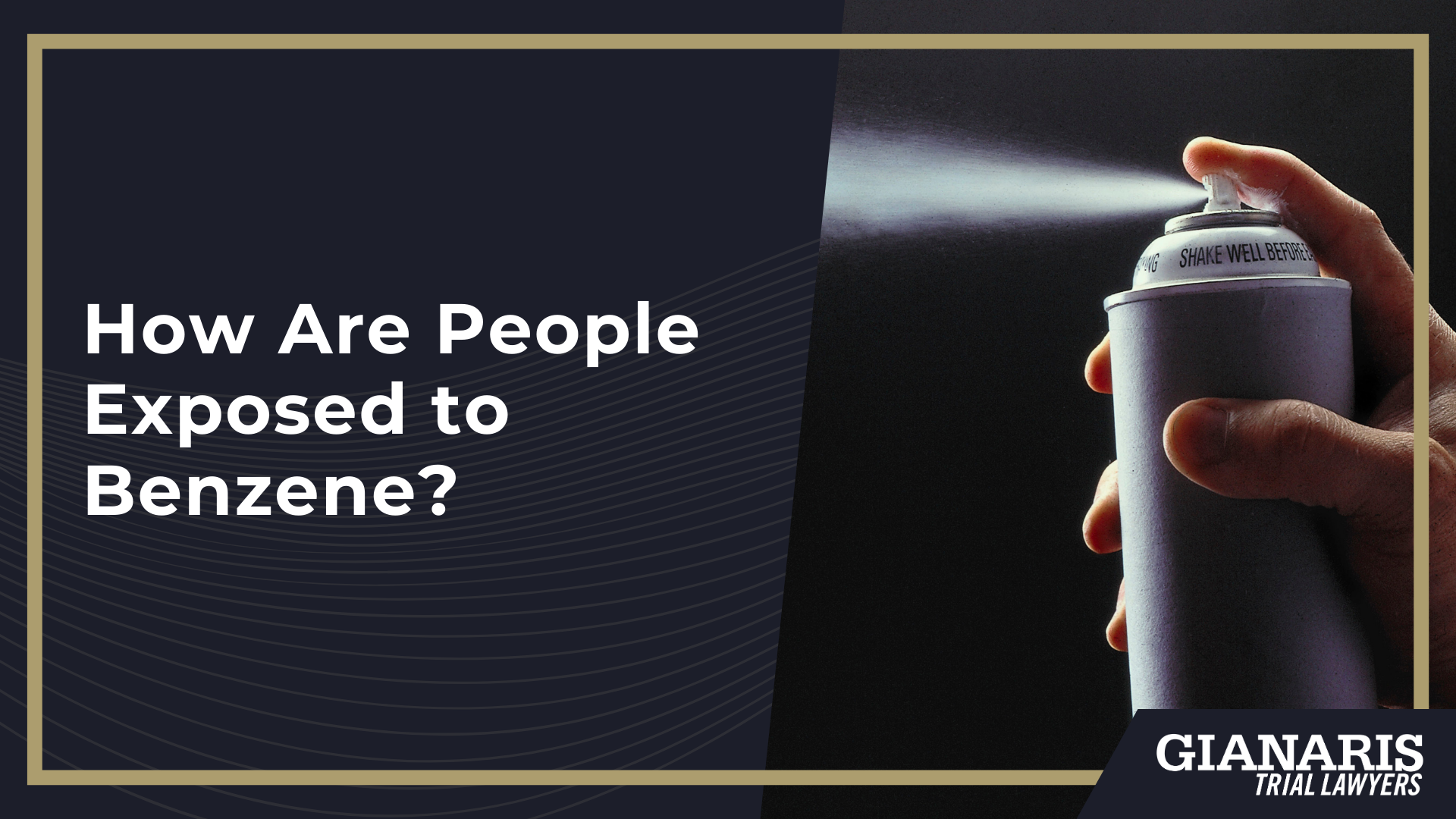
Exposure to benzene most often happens through breathing contaminated air or vapors (inhalation exposure) and through skin contact during handling of fuel-related or solvent-based products.

For the general public, exposure sources can include vehicle exhaust and cigarette smoke, which can contribute to low-level, repeated exposure over time.

In work settings, benzene exposure is more likely to become significant because tasks can involve frequent product handling, confined spaces, and repeated exposure periods.

That difference matters because long term exposure is often the central concern in benzene illness cases, particularly when the exposure occurs day after day without adequate ventilation, protective equipment, or hazard controls.

When exposure leads to serious illness, benzene lawyers may evaluate the work history, exposure pathway, and medical proof to determine whether a claim fits within toxic exposure litigation.

Mechanic Benzene Exposure

Mechanic benzene exposure can occur during routine shop work, especially when mechanics handle fuels, solvent-based cleaners, degreasers, and other petroleum-related products.

A mechanic may be exposed to benzene while draining or handling gasoline, working around fuel systems, cleaning parts, or using chemical products that release vapors into the air.

In many shops, the primary pathway is inhalation exposure, particularly in enclosed bays where vapors linger and ventilation is limited.

Over time, repeated exposure can raise the risk benzene exposure poses to the body—especially to the blood-forming system, making documentation of job duties and product use an important part of a potential claim.

When illness develops, a benzene exposure lawsuit may focus on whether exposure was preventable and whether warnings, controls, or safer alternatives were missing.

Causes of Benzene Exposure For Mechanics

Benzene exposure in mechanic settings often stems from repeated, predictable sources tied to everyday tasks and shop conditions.
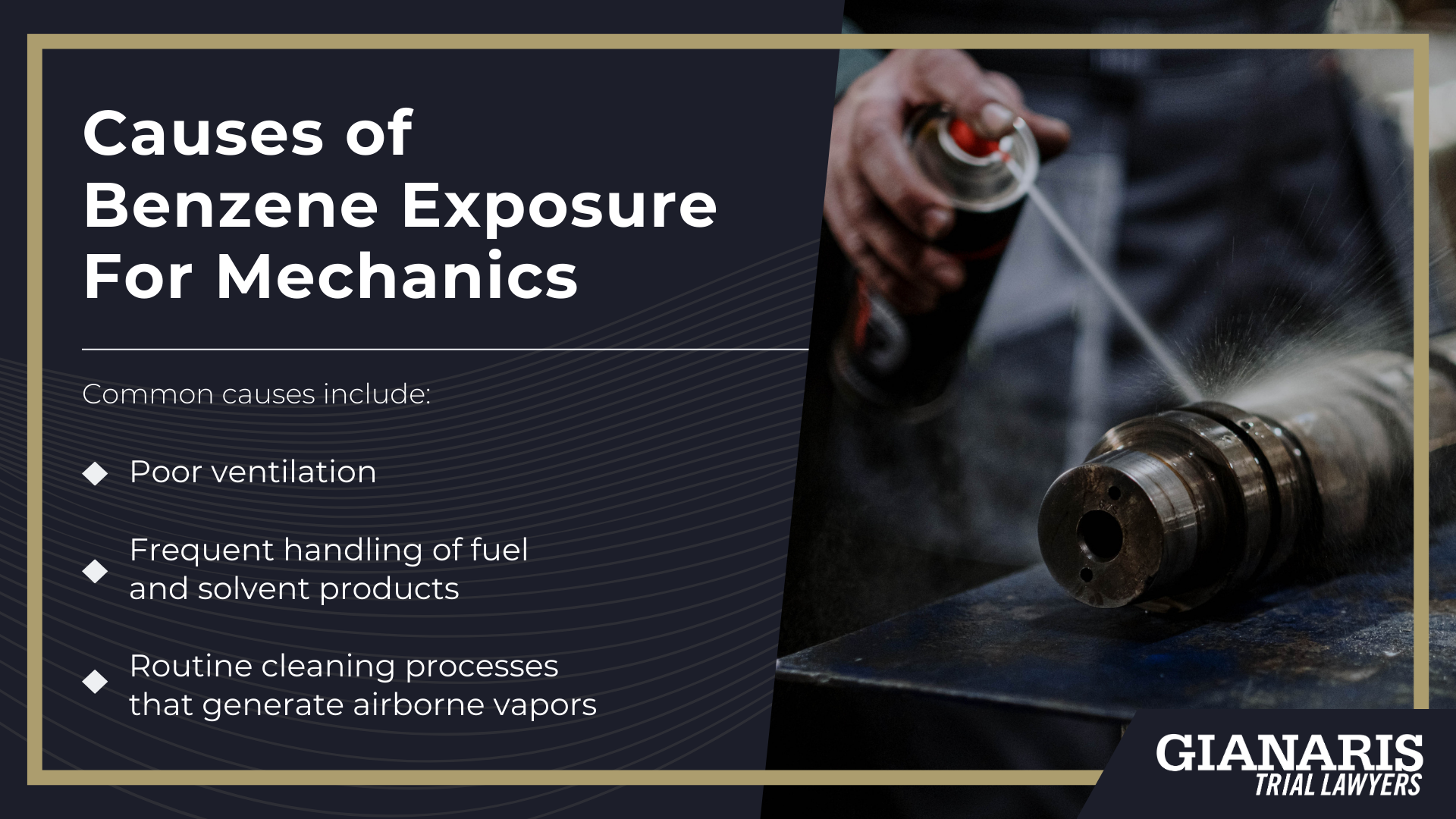
Common causes include:

  • Poor ventilation
  • Frequent handling of fuel and solvent products
  • Routine cleaning processes that generate airborne vapors

Exposure can also increase when product formulas change, labels are unclear, or workers are not trained on the hazards of the chemicals being used.

In some shops, benzene exposure risks rise when mechanics work in tight areas around tanks, fuel lines, or parts cleaning stations where fumes concentrate.

Because benzene is a known carcinogen, safety expectations are shaped by federal and state regulations, and failure to follow basic controls can become a key issue in benzene lawsuits.

These cases are often evaluated by looking at what safety steps were realistic, what precautions were actually taken, and whether the exposure could have been reduced with reasonable measures.

In What Industries Do Mechanic Face the Highest Risk of Benzene Exposure?

Mechanics face heightened benzene exposure risks in industries where fuels, lubricants, and industrial fluids derived from crude oil are regularly handled or disturbed.

Benzene has historically been present in gasoline, degreasers, and parts-cleaning solvents used in repair and maintenance work.

Exposure often occurs through inhalation of vapors in garages, service bays, and enclosed workspaces with limited ventilation.

Mechanics may also encounter toxic chemicals released during fuel system repairs, engine work, or the cleaning of contaminated components.

Repeated, long-term exposure in these settings has been associated in medical research with blood disorders and hematologic cancers.

Risk levels depend on the specific tasks performed, frequency of exposure, and workplace safety practices.
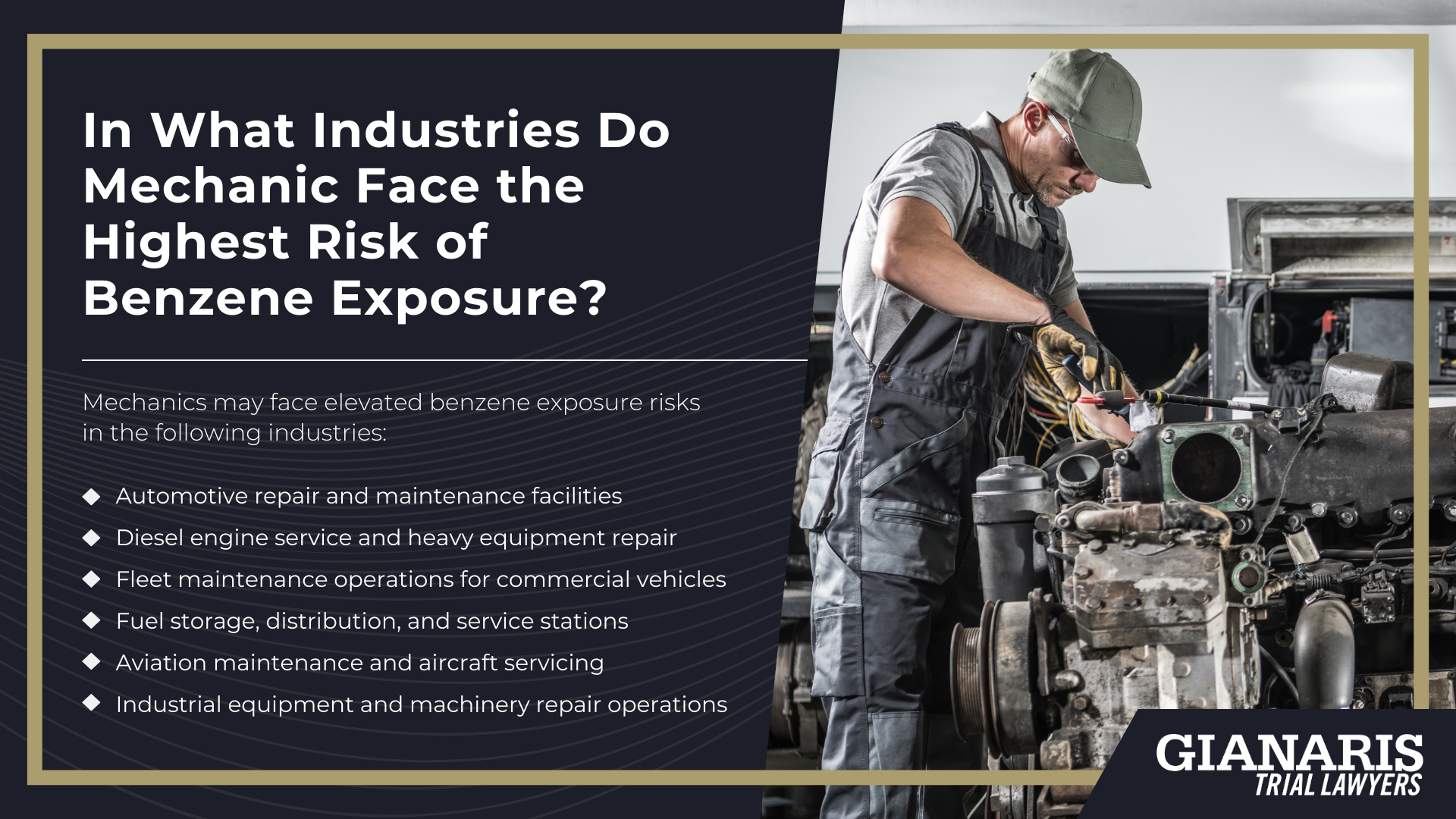
Mechanics may face elevated benzene exposure risks in the following industries:

  • Automotive repair and maintenance facilities
  • Diesel engine service and heavy equipment repair
  • Fleet maintenance operations for commercial vehicles
  • Fuel storage, distribution, and service stations
  • Aviation maintenance and aircraft servicing
  • Industrial equipment and machinery repair operations

Risks Mechanics Face From Benzene Exposure

The most serious risks associated with benzene exposure involve blood and bone marrow harm, which is why benzene is classified as a human carcinogen by major authorities, including those connected to the World Health Organization, as well as by the National Toxicology Program.

In occupational settings, benzene has been linked to blood related cancers, including leukemia (particularly acute myeloid leukemia) and to blood disorders tied to bone marrow suppression.

Those risks are often tied to the intensity and duration of exposure, which is why occupational exposure history and documentation of long term exposure matter so much in evaluating a claim.
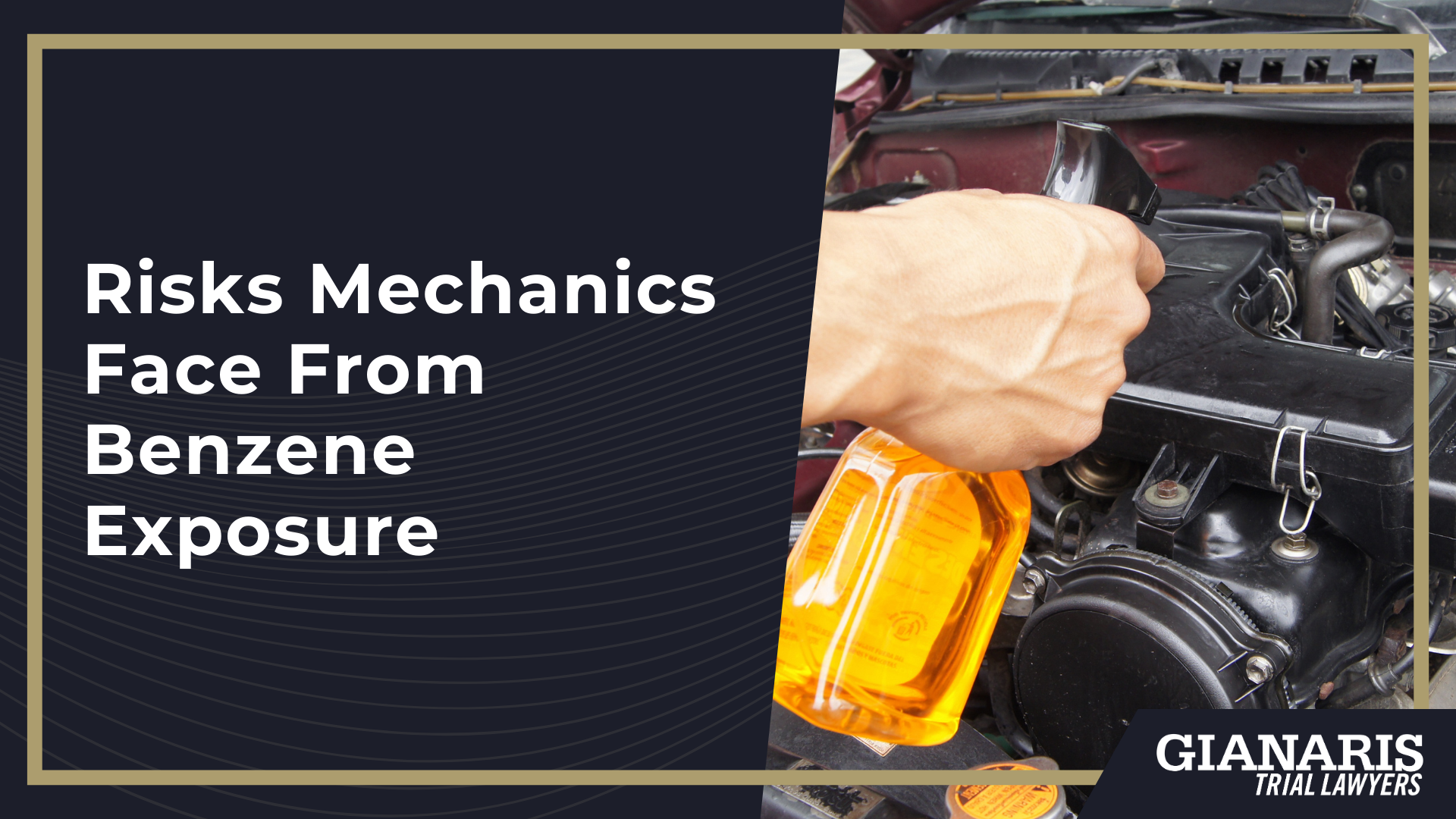
When a mechanic develops a blood cancer or a serious blood disorder after years of exposure, benzene lawyers may investigate whether the shop environment, products used, and safety practices contributed to preventable exposure.

If the evidence supports it, a benzene exposure lawsuit can become part of broader toxic exposure litigation aimed at holding responsible parties accountable for avoidable harm.


Health Effects of Benzene

Benzene is one of the most closely studied toxic substances in occupational and environmental health because it can damage the body’s blood-forming system.

When workers exposed to benzene experience prolonged exposure or long term benzene exposure, the most serious harm often centers on the bone marrow, specifically the bone marrow cells responsible for producing healthy blood components.

Benzene can disrupt the production of white blood cells and other blood components, weakening the immune response and increasing vulnerability to infection and fatigue.

Benzene exposure caused illness can develop quietly, which is why documentation and early medical evaluation matter in benzene exposure cases.

People may be exposed through environmental exposure as well, including breathing contaminated air in communities affected by benzene contamination or fuel-related emissions.

Common environmental sources include motor vehicle exhaust, industrial releases, and other pathways that contribute to contaminated air, along with indoor sources such as secondhand smoke.

Benzene can also enter the environment through natural processes, but the highest-risk scenarios typically involve repeated or concentrated exposure conditions where adequate safety measures were missing.

Because the carcinogenic risks are well established, benzene is recognized as a human carcinogen by major authorities, including an international agency that evaluates cancer hazards and by U.S. health administration bodies, which is why occupational safety standards emphasize reducing exposure whenever possible.

In benzene litigation, the core question is often not just “how much benzene was present,” but whether the exposure was preventable and whether reasonable protective steps were ignored.

Types of Cancer Linked to Benzene Exposure

The strongest evidence linking benzene to cancer involves blood cancers, which makes sense given benzene’s toxic effects on bone marrow function.

Benzene exposure is associated with an increased risk of several leukemias and related blood malignancies, especially when exposure is prolonged and repeated over time.

In benzene exposure cases, the diagnosis, the exposure timeline, and the intensity of exposure are evaluated together to determine whether benzene exposure caused or contributed to the disease.

These claims often rely on a detailed occupational history, because many workers exposed to benzene encountered it for years in job settings with inadequate safety measures.

Cancers commonly discussed in benzene exposure cases include:

  • Acute myelogenous leukemia (also called acute myeloid leukemia)
  • Acute lymphocytic leukemia
  • Chronic lymphocytic leukemia
  • Multiple myeloma
  • Other blood related cancers that may be evaluated based on medical findings and exposure history

Because these are serious health conditions with complex medical timelines, benzene litigation often involves expert review to connect the exposure history to the diagnosis in a way that holds up under scrutiny.

Types of Non-Cancer Health Effects Linked to Benzene Exposure

Benzene exposure does not have to result in cancer to cause serious harm.

Long-term exposure can suppress bone marrow activity and lead to measurable blood abnormalities that affect energy, clotting, and immune function.

Some individuals develop blood and immune complications because benzene interferes with normal blood-cell production, including the balance and function of white blood cells.

Non-cancer effects are especially important in cases where a person has symptoms, abnormal labs, or diagnosed blood conditions but has not been diagnosed with a blood cancer.

These issues also arise in environmental exposure scenarios, such as breathing contaminated air after benzene contamination events, where the dose and duration may vary but symptoms still require evaluation.

Non-cancer health effects often discussed in benzene exposure cases include:

  • Bone marrow suppression affecting normal blood-cell production
  • Reduced immune function linked to abnormal white blood cells
  • Low blood platelet count, which can increase bruising and bleeding risk
  • Persistent fatigue and weakness tied to blood-count abnormalities
  • Other blood-related disorders that may be monitored over time after prolonged exposure

A nationally recognized law firm handling toxic exposure claims will often focus on clear medical documentation, testing history, and exposure proof, because those details are what separate suspicion from a provable benzene claim.

Do You Qualify For the Mechanic Benzene Exposure Lawsuit

You may qualify if your work as a mechanic involved repeated exposure to benzene containing products and you later developed serious health problems consistent with benzene-related disease.

Many claims involve exposure through breathing vapors or through skin contact, especially when personal protective equipment was missing, inadequate, or not enforced.

Benzene is a dangerous chemical, and classified benzene as a carcinogen by major public health authorities is one reason these cases focus heavily on exposure history and medical proof.

Mechanics may encounter benzene through fuels and solvent-based products, and some exposure histories also include contact with consumer products or mixed hazards involving other chemicals.

If you were diagnosed with a blood cancer—particularly leukemia—or developed other blood-related conditions, a lawyer may evaluate whether cancer causing benzene exposure could have contributed to the illness.

These cases also consider intensity and duration, because higher cancer risks are typically tied to long-term, repeated contact rather than a single brief event.

A benzene claim does not require you to “guess” what happened; it requires documentation that connects the work conditions to the exposure and the exposure to the health outcome.

Gathering Evidence for Your Case

Strong mechanic benzene exposure cases are built on proof of exposure and proof of harm.

That often starts with identifying the specific benzene containing products you used (fuels, cleaners, degreasers), how often you used them, and whether the shop environment increased exposure through poor ventilation or frequent open-container use.

Evidence may also include SDS sheets, purchase records, supplier lists, and testimony from coworkers who can confirm routine exposures and what safety steps were (or were not) used.

Because benzene targets the bone marrow, medical evidence often focuses on changes in blood cells and how the body’s ability to produce new blood cells was affected over time.

Evidence commonly used in these cases includes:

  • Medical records showing diagnosis, bloodwork trends, and treatment history
  • Employment records and job duties showing routine product use and exposure frequency
  • Product labels, Safety Data Sheets, and vendor documentation identifying benzene-related ingredients
  • Workplace policies on ventilation and personal protective equipment
  • Witness statements describing real-world practices, including repeated skin contact and fume exposure

In some situations, exposure history may also involve community factors—like contaminated drinking water concerns—or nearby industrial sources such as chemical plants and other chemical industries that contributed to background exposure risk.

If the claim involves defective or mislabeled products, the case may fall under products liability litigation, focusing on warnings, formulation, and what risks were known but not communicated.

Damages in a Mechanic Benzene Exposure Lawsuit

Damages are meant to account for what the exposure has cost you and what it will continue to cost.

In benzene cases, that often includes past and future medical expenses, costs of ongoing monitoring, and treatment needs tied to blood disorders or cancer.

If the illness affects your ability to work, damages may also include lost income and reduced earning capacity, especially where symptoms or treatment create long-term restrictions.

These claims also account for the day-to-day impact of living with major health problems—fatigue, pain, anxiety, and limitations that affect family life and independence.

In cases involving cancer, including particularly leukemia, the damages analysis often reflects intensive treatment, relapse concerns, and the need for long-term follow-up care.

Some cases may resolve through a negotiated benzene settlement, but the value depends on the proof of exposure, the severity of injury, and how clearly the evidence supports the link between exposure and disease.

Gianaris Trial Lawyers: Lawyers for Mechanic Benzene Exposure

Gianaris Trial Lawyers represents mechanics harmed by benzene exposure and builds cases designed to hold the right parties accountable.

We investigate where and how exposure occurred, including whether liquid benzene or benzene-containing solvents were handled routinely, what warnings existed, and what safety controls were missing.

Our team evaluates whether workplace practices and product choices created preventable cancer risks, and whether the responsible parties failed to reduce exposure even though benzene has long been recognized as a dangerous chemical and a carcinogen by the public health service and other authorities.

We also work to connect the exposure history to medical proof—especially where the illness involves blood-related harm, bone marrow disruption, or cancer tied to cancer causing benzene.

If you believe your mechanic work exposed you to benzene and you are now facing serious health problems, contact Gianaris Trial Lawyers to discuss your options and learn what next steps may be available.

You can also use the chatbot on this page to see if you qualify today.

Frequently Asked Questions

  • Can mechanics file a benzene exposure lawsuit?

    Yes—mechanics exposed to benzene may have legal options if repeated exposure to benzene-containing products on the job contributed to a serious diagnosis or blood-related condition.

    Many benzene exposure claims focus on whether the exposure was preventable, whether safer products or adequate safety measures were available, and whether warnings or protections were missing.

    A lawyer can review your work history, product use, and medical records to determine whether a benzene exposure lawsuit makes sense based on the evidence.

  • What tasks can cause a mechanic to be exposed to benzene?

    Mechanic benzene exposure often comes from routine work involving fuels, parts cleaners, degreasers, and other solvent-based shop chemicals.

    Exposure commonly happens through inhalation exposure in enclosed bays where vapors linger, and through skin absorption when chemicals contact unprotected skin.

    Long-term benzene exposure is frequently tied to repeated daily use of products and poor ventilation, not a single “big” event.

  • What health problems are linked to exposure to benzene?

    Benzene exposure is associated with both short-term and long-term health problems, depending on the intensity and duration of contact. Short-term exposure can affect the central nervous system, causing symptoms such as dizziness, headaches, confusion, and, in severe cases, unconsciousness or death.

    Benzene can also irritate the skin and eyes, leading to dryness, scaling, blisters, and serious eye irritation following direct contact.

    Prolonged or repeated exposure has been linked to damage within the bone marrow, including chromosome changes that are commonly observed in human leukemia cells.

    Long-term exposure can also cause aplastic anemia, a serious condition marked by reduced red blood cell production.

    Cigarette smoke is a major exposure source, accounting for roughly 50 percent of benzene exposure in the United States.

    Health problems linked to benzene exposure include:

    • Central nervous system effects such as dizziness, headaches, confusion, and loss of consciousness
    • Skin and eye irritation, including rashes, blisters, dryness, and burning sensations
    • Bone marrow damage and chromosome abnormalities
    • Blood disorders, including aplastic anemia
    • Increased risk of leukemia and other blood cancers
  • How can people limit or avoid benzene exposure at work and in everyday environments?

    Benzene exposure can occur in both workplace and everyday settings, particularly because benzene is a colorless, flammable liquid that evaporates quickly when released into the air.

    For mechanics and industrial workers, exposure most often comes from gasoline, diesel fuel, solvents, engine degreasers, paint thinners, and adhesives used during routine tasks.

    Workers exposed to benzene should discuss limiting exposure with their employer through process changes or personal protective equipment.

    Federal safety rules address these risks, with OSHA setting a permissible exposure limit of 1 part per million over an average 8-hour workday, a standard mirrored across federal workplace regulations.

    Environmental exposure is also regulated, as the Environmental Protection Agency limits benzene concentrations in drinking water to 5 parts per billion.

    Personal habits and surroundings can significantly affect exposure, since cigarette smoke and secondhand smoke remain major sources of benzene contact.

    Reducing exposure typically involves a combination of regulatory compliance, workplace controls, and practical personal precautions.

    Steps to limit or avoid benzene exposure include:

    • Using respiratory protection, chemical-resistant gloves, and proper ventilation when working with fuels, solvents, or degreasers
    • Discussing exposure reduction with employers through process changes, safer materials, or personal protective equipment
    • Avoiding cigarette smoke and secondhand smoke
    • Choosing gas stations with vapor recovery systems when pumping fuel
    • Limiting time spent near idling vehicles and exhaust fumes
    • Avoiding solvent, paint, and art supply fumes in enclosed or poorly ventilated spaces
  • How does benzene exposure happen, and what does a benzene lawsuit involve?

    Benzene ranks among the top 20 chemicals by production volume in the United States, which helps explain why it shows up across so many industrial and consumer supply chains.

    It is typically associated with crude oil and gasoline, cigarette smoke, plastics, and other synthetic chemicals and materials, and it can reach people through both workplace contact and contaminated products.

    Benzene has also been identified in personal care items such as antiperspirants, deodorants, hand sanitizers, sunscreens, and dry shampoos, often tied to contamination rather than an intentional ingredient.

    Certain brands, including Johnson & Johnson, Procter & Gamble, and Unilever, have faced recalls tied to benzene contamination in specific aerosol consumer products.

    The FDA has also described mechanisms where certain ingredients or components can contribute to benzene contamination, including situations where benzene can form when particular compounds are present together (for example, benzoate salts with ascorbic acid) or where contamination may be linked to inactive ingredients and propellants used in consumer and drug products.

    Benzene lawsuits take multiple forms, including personal injury claims, wrongful death lawsuits, and class actions, and they have gained momentum as awareness of exposure pathways and contamination events has grown.

Published by:
Share
Picture of Ted Gianaris
Ted Gianaris

With nearly 30 years of legal experience, Attorney Ted Gianaris has secured over $350 million in compensation for Illinois injury victims, car accident victims, and surviving family members of wrongful death victims.

This article has been written and reviewed for legal accuracy and clarity by the team of writers and attorneys at Gianaris Trial Lawyers and is as accurate as possible. This content should not be taken as legal advice from an attorney. If you would like to learn more about our owner and experienced Illinois injury lawyer, Ted Gianaris, you can do so here.

Gianaris Trial Lawyers does everything possible to make sure the information in this article is up to date and accurate. If you need specific legal advice about your case, contact us. This article should not be taken as advice from an attorney.

Additional Benzene Lawsuits resources on our website:
All
FAQs
Injuries & Conditions
Legal Help
Occupations
Settlements & Compensation
You can learn more about Benzene Lawsuits below:
Benzene Exposure FAQs
Benzene Lawsuits
Health Effects of Benzene Exposure
Refinery Worker Benzene Exposure Lawyer
Who Qualifies for a Benzene Exposure Lawsuit?

Other Benzene Lawsuits Resources

All
FAQs
Injuries & Conditions
Legal Help
Occupations
Settlements & Compensation