
No fees unless we win.
Get a free consultation
128 Reviews
5.0
★★★★★

Silicosis Lawyer

Experienced Lawyers for Silicosis Lawsuits

A Silicosis Lawyer helps injured workers take action when a preventable workplace hazard leads to a silicosis diagnosis.

When exposure to silica dust should have been controlled but wasn’t, our lawyers step in to investigate the legal path forward.

If you have been diagnosed with silicosis and believe workplace silica exposure played a role, speaking with a lawyer can help you understand your options and protect your right to pursue compensation.

Silicosis Lawyer

Our Silicosis Lawyers Can Help You

A silicosis lawyer helps injured workers take action when preventable exposure to respirable crystalline silica leads to a life-altering diagnosis.

Silicosis lawyers do more than file paperwork.

They investigate where the dust came from, who controlled the jobsite, and which companies failed to use basic safety protections.

A skilled silicosis attorney builds the exposure story using work history, jobsite records, product identification, and witness statements that show how silica dust was generated and inhaled.

In many cases, a silicosis lawsuit involves multiple responsible parties, which is why early investigation matters before records disappear and witnesses move on.

Our team also works closely with medical documentation to connect the disease to the exposure, including imaging, pulmonary testing, and treatment history.

When appropriate, we pursue claims as a silica lawsuit or silica exposure lawsuit against employers, contractors, and manufacturers whose decisions contributed to unsafe conditions.

Some cases involve broader silica exposure lawsuits tied to repeated exposure across different jobsites or products over time.

We also document damages in a way insurers can’t minimize, including medical costs, future care needs, lost income, and reduced earning capacity.

If you’re researching silicosis lawsuit settlement amounts, it’s important to know that value depends on severity, proof of exposure, and who can be held accountable, not a one-size-fits-all average.

If you believe your diagnosis is linked to workplace dust, contact Gianaris Trial Lawyers today to discuss your options for a silica dust exposure lawsuit and get clear guidance on next steps.

You can also use the chatbot on this page to see if you qualify today.

What Is Silicosis?

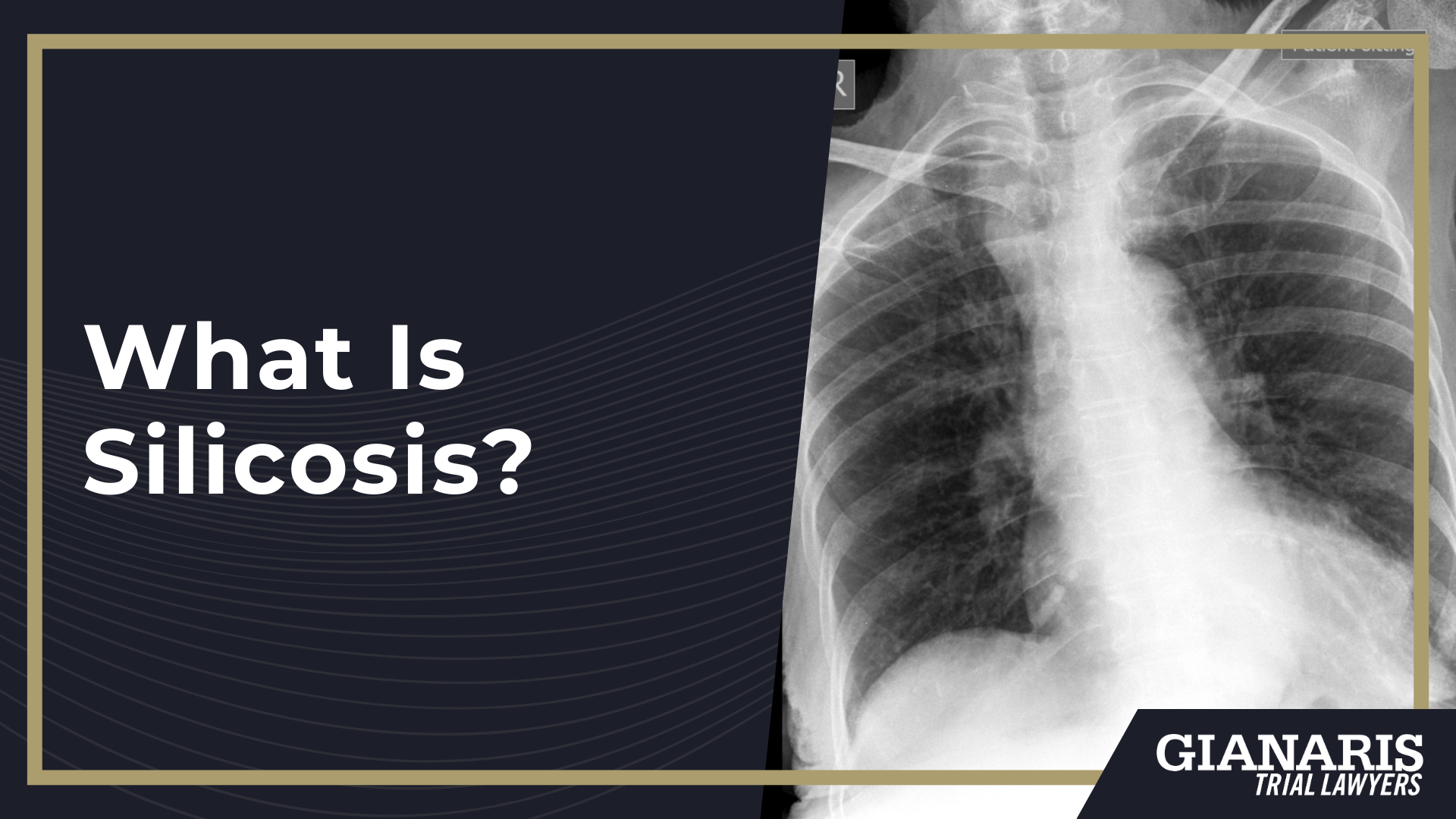
Silicosis is a serious lung disease caused by breathing in respirable crystalline silica over time.

When you have repeated silica exposure, especially through occupational exposure, tiny particles can lodge deep in the lungs and trigger inflammation and permanent scarring.

Many people who developed silicosis were exposed during cutting, grinding, drilling, or polishing stone, concrete, or engineered stone products.
Silicosis is often progressive, meaning symptoms and lung damage can worsen even after exposure ends.

Depending on the timing and intensity of exposure, the condition may present as chronic silicosis, accelerated silicosis, or acute silicosis.

If your diagnosis is tied to work conditions that should have been controlled, a silicosis lawyer can help evaluate whether a silicosis lawsuit is appropriate.

How Crystalline Silica Dust Causes Lung Damage

When materials containing crystalline silica are disturbed, they release airborne silica dust particles small enough to reach the deepest areas of the lungs.

This silica dust triggers an inflammatory response, and with repeated silica dust exposure, the body forms scar tissue that reduces lung elasticity and oxygen exchange.

As scarring builds, breathing becomes harder and daily activity can be limited by fatigue and shortness of breath.

In addition to silicosis itself, heavy exposure has been associated with increased risk of serious conditions such as lung cancer and chronic obstructive pulmonary disease.

The highest-risk scenarios often involve dry cutting or grinding without effective dust control, ventilation, or respiratory protection.

These medical realities are central in a silicosis lawsuit because the case must connect the work exposure to the resulting disease.

What to Do If You’ve Been Diagnosed With Silicosis

If you’ve been diagnosed, your first priority is medical care and protecting lung function, including follow-up with a pulmonary specialist.

At the same time, preserve your exposure history: write down job sites, employers, job duties, and the materials you worked with—especially tasks that created heavy dust.

Keep copies of imaging, pulmonary function tests, diagnosis notes, and treatment records, because they help document how the disease developed and progressed.

Avoid giving detailed statements to employers, insurers, or product representatives before you understand your rights and what evidence matters.

A silicosis lawyer can help you understand whether you can file a silicosis lawsuit, what deadlines may apply, and what documentation should be gathered right away.

Early legal guidance can also help position the case for a fair silicosis lawsuit settlement by building the record before evidence disappears.

Who Is Most at Risk for Silicosis?

Silicosis risk is highest in jobs where workers repeatedly inhale dust from materials that contain crystalline silica, particularly when controls are missing or inconsistent.
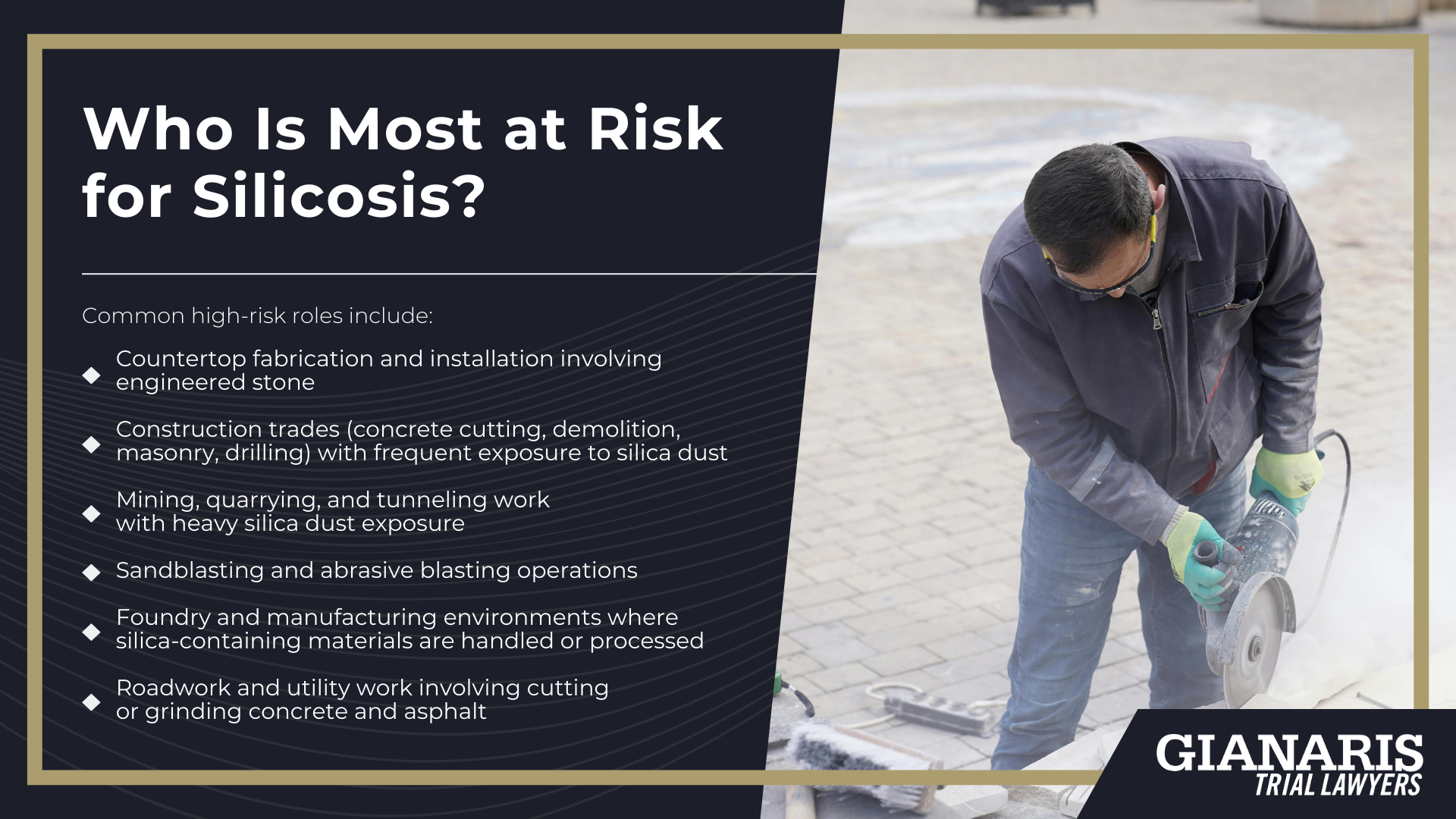
Common high-risk roles include:

  • Countertop fabrication and installation involving engineered stone
  • Construction trades (concrete cutting, demolition, masonry, drilling) with frequent exposure to silica dust
  • Mining, quarrying, and tunneling work with heavy silica dust exposure
  • Sandblasting and abrasive blasting operations
  • Foundry and manufacturing environments where silica-containing materials are handled or processed
  • Roadwork and utility work involving cutting or grinding concrete and asphalt
Silicosis Lawyers and How They Can Assist You

A silicosis lawyer helps prove two core issues: how the exposure happened and how that exposure caused the disease.

Because these cases often involve years of occupational exposure across multiple job sites, a detailed investigation can be the difference between a disputed claim and a well-supported case.

Silicosis lawyers gather evidence that connects your work duties to the type and intensity of dust generation, then connect that exposure record to your medical diagnosis and limitations.

They also identify all potentially responsible parties, which can include employers, contractors, and manufacturers tied to the materials and conditions that created the hazard.

The goal is a clear, evidence-backed claim positioned for resolution through negotiation or litigation, depending on what the case requires.

How Our Lawyers Can Assist

Our team focuses on protecting your case early and building the evidence needed to support liability and damages.

A silicosis lawyer may assist by:

  • Investigating work history and mapping where silica exposure occurred and which tasks produced the most dust
  • Collecting medical records and expert support to link silica dust exposure to your diagnosis
  • Identifying responsible parties and evaluating whether more than one company contributed to unsafe conditions
  • Preserving time-sensitive evidence such as jobsite records, product identification, and witness statements
  • Documenting damages, including medical expenses, future care needs, lost income, and reduced earning capacity
  • Handling communications with insurers and defense teams so your statements are not used to minimize the claim
  • Preparing the case for settlement discussions or litigation to pursue a fair silicosis lawsuit settlement

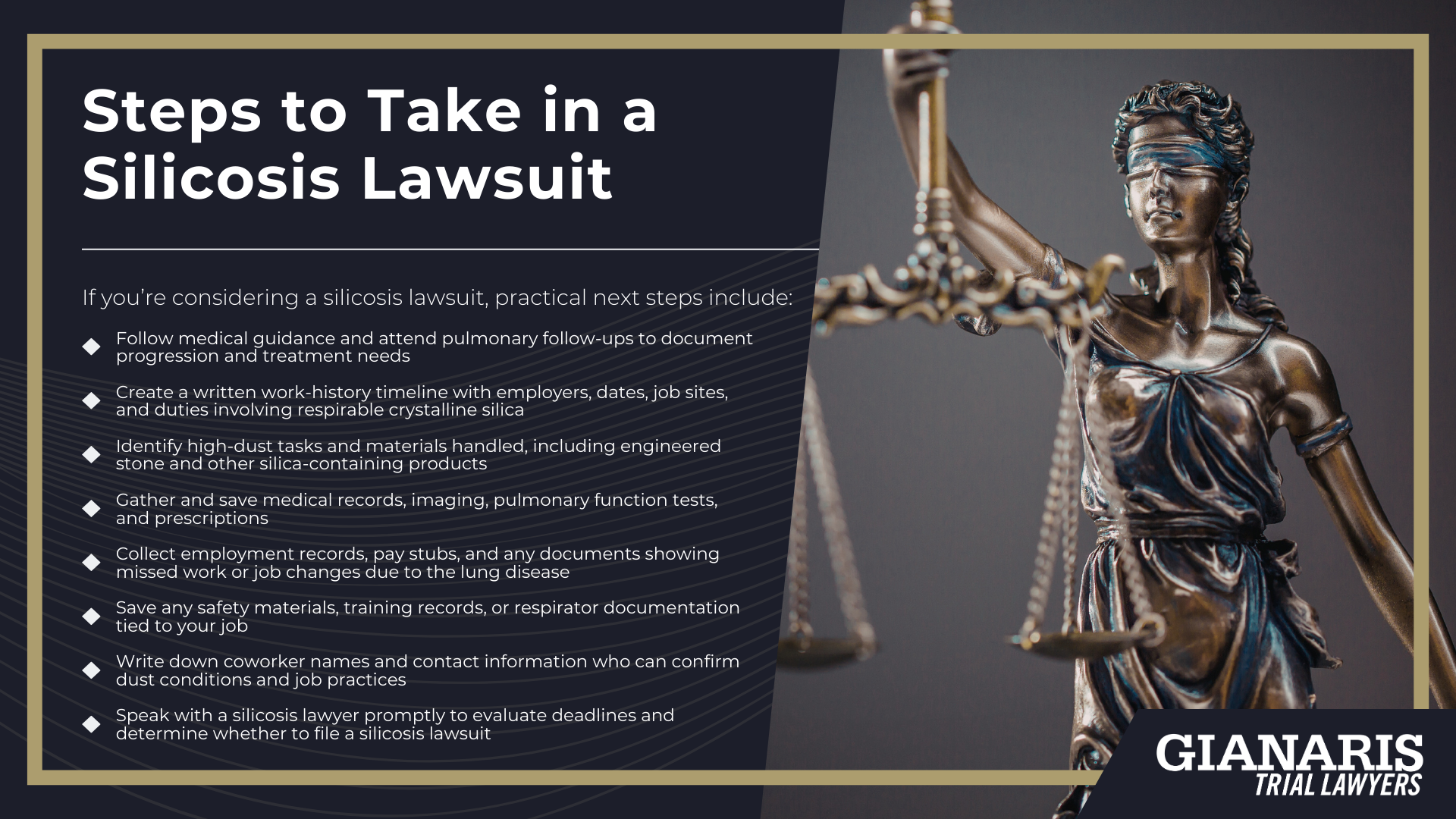
Steps to Take in a Silicosis Lawsuit

Taking the right steps early can strengthen proof and reduce disputes later.

If you’re considering a silicosis lawsuit, practical next steps include:

  • Follow medical guidance and attend pulmonary follow-ups to document progression and treatment needs
  • Create a written work-history timeline with employers, dates, job sites, and duties involving respirable crystalline silica
  • Identify high-dust tasks and materials handled, including engineered stone and other silica-containing products
  • Gather and save medical records, imaging, pulmonary function tests, and prescriptions
  • Collect employment records, pay stubs, and any documents showing missed work or job changes due to the lung disease
  • Save any safety materials, training records, or respirator documentation tied to your job
  • Write down coworker names and contact information who can confirm dust conditions and job practices
  • Speak with a silicosis lawyer promptly to evaluate deadlines and determine whether to file a silicosis lawsuit

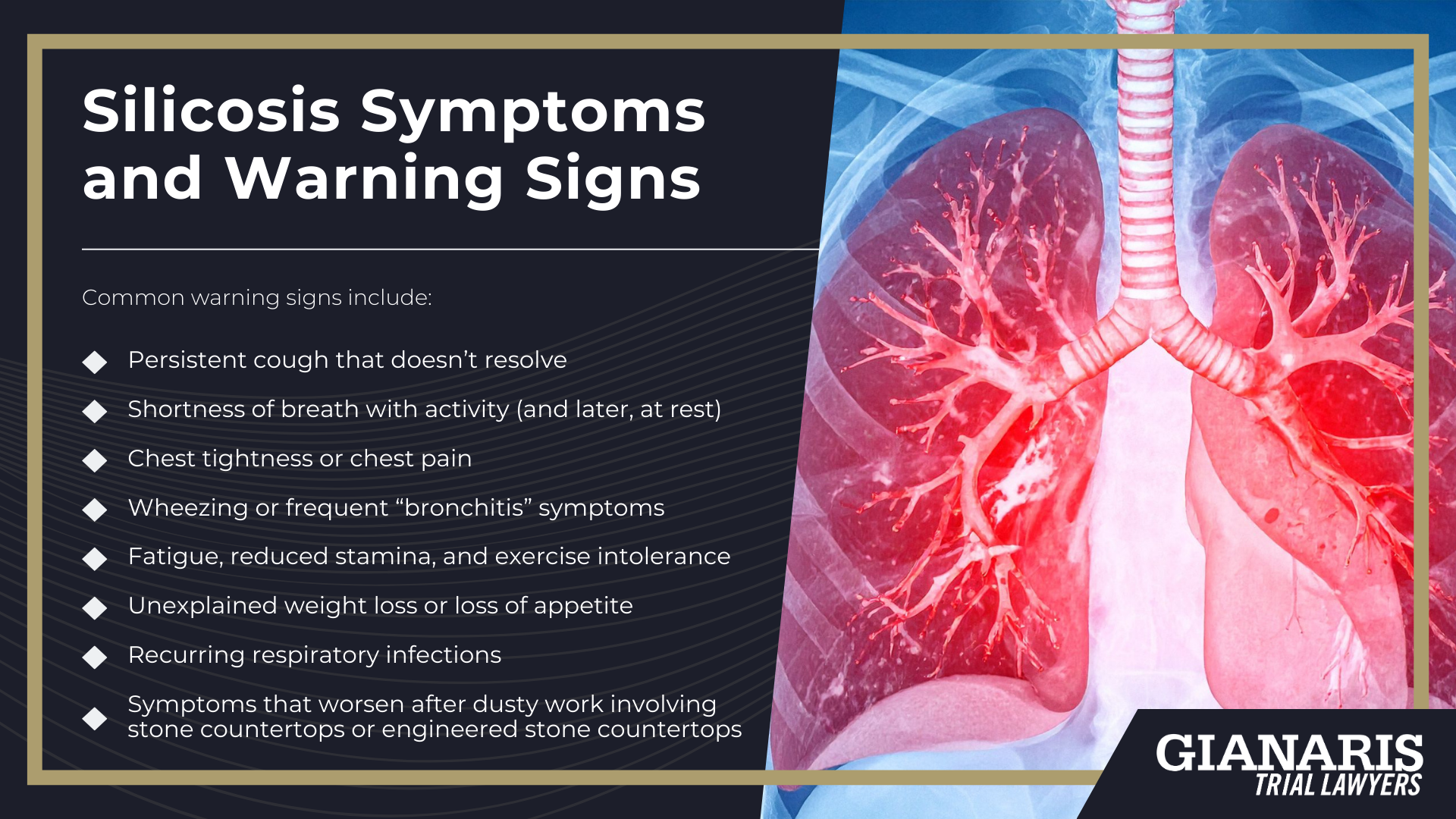
Silicosis Symptoms and Warning Signs

Silicosis symptoms often start subtly, which is why many workers don’t connect breathing changes to inhaling silica dust until the disease has progressed.

In many silicosis cases, the underlying cause is prolonged exposure to respirable crystalline silica dust: microscopic fine particles released during cutting, grinding, drilling, or polishing materials like natural stone, silica sand, and engineered stone countertops.

People in the stone fabrication industry and others with occupational silicosis risk may be exposed to silica dust daily, even when the dust exposure seems “routine,” especially if occupational safety controls and personal protective equipment were missing or ineffective.

As crystalline silica dust accumulates in the lungs, it can damage lung tissue and trigger scarring such as pulmonary fibrosis, turning into a progressive lung disease that worsens over time.

Common warning signs include:

  • Persistent cough that doesn’t resolve
  • Shortness of breath with activity (and later, at rest)
  • Chest tightness or chest pain
  • Wheezing or frequent “bronchitis” symptoms
  • Fatigue, reduced stamina, and exercise intolerance
  • Unexplained weight loss or loss of appetite
  • Recurring respiratory infections
  • Symptoms that worsen after dusty work involving stone countertops or engineered stone countertops

When Symptoms Become Severe or Progressive

As silicosis advances, breathing problems can become constant and limiting, and advanced silicosis may require ongoing medical management to maintain oxygen levels.

Some people develop severe silicosis with extensive scarring that reduces lung capacity and makes everyday tasks exhausting.

In the most serious scenarios, the disease can progress toward respiratory failure, where the lungs can no longer support normal oxygen exchange.

These later stages are sometimes described as complicated silicosis, where large areas of scarring and inflammation severely restrict airflow and worsen the impact of the lung disease caused by workplace exposure.

Silicosis can also involve systemic complications, and some patients face increased risks of kidney disease or chronic kidney disease, which can add long-term medical needs beyond the lungs.

When symptoms reach this level, documenting progression matters for both treatment and potential silicosis compensation, because the claim must reflect the real, ongoing impact of a debilitating lung disease.

Diagnosing Silicosis

A silicosis diagnosis is typically based on a combination of clinical findings and a detailed exposure history: what jobs you worked, what products you handled, and how long you were around airborne silica dust.

Because symptoms can resemble other respiratory conditions, doctors often rely on occupational context to distinguish silicosis from asthma, infections, or other chronic lung problems.

This is especially important for workers in high-risk environments like the stone fabrication industry, where cutting engineered stone countertops and stone countertops can generate intense clouds of dust if safety controls fail.

Providers may also assess whether the pattern of scarring is consistent with occupational exposure and whether other conditions (like infections or smoking-related disease) need to be ruled out.

From a legal perspective, that exposure history can also help silica exposure attorneys evaluate whether safety failures by employers, contractors, or even stone countertop manufacturers may have contributed to the hazardous conditions that led to disease.

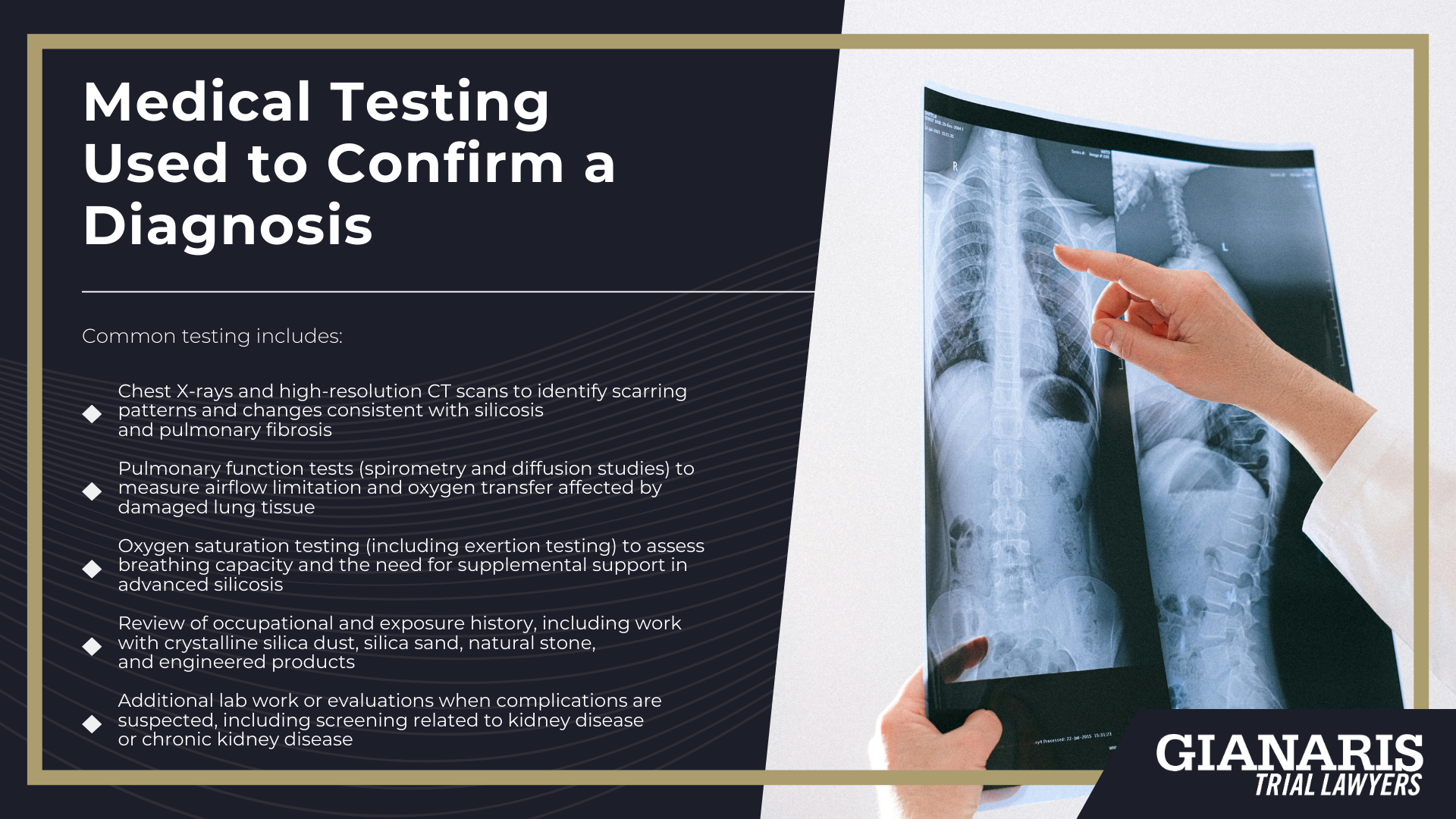
Medical Testing Used to Confirm a Diagnosis

Medical testing is used to confirm the presence and severity of lung damage and to evaluate how much functional impairment has occurred.

Common testing includes:

  • Chest X-rays and high-resolution CT scans to identify scarring patterns and changes consistent with silicosis and pulmonary fibrosis
  • Pulmonary function tests (spirometry and diffusion studies) to measure airflow limitation and oxygen transfer affected by damaged lung tissue
  • Oxygen saturation testing (including exertion testing) to assess breathing capacity and the need for supplemental support in advanced silicosis
  • Review of occupational and exposure history, including work with crystalline silica dust, silica sand, natural stone, and engineered products
  • Additional lab work or evaluations when complications are suspected, including screening related to kidney disease or chronic kidney disease

Accurate diagnosis and staging matter because they guide treatment planning and help document the severity and progression of disease: key issues in occupational claims involving dust exposure and long-term impairment.

Do You Qualify to File a Silicosis Lawsuit?

You may qualify if you were diagnosed with silicosis and your work involved repeated exposure to silica particles, especially in jobs that generated heavy dust without effective controls.

Many claims focus on whether companies failed to mitigate exposure risks by using wet methods, ventilation, and adequate respiratory protection, or allowed exposure levels above the permissible exposure limit.

Eligibility often depends on whether your medical records support a work-related diagnosis and whether your job history can identify where and how exposure occurred.

These are often toxic exposure cases, so your claim needs both medical proof and occupational proof that connects the disease to specific work conditions.

In severe cases, the stakes are higher because the disease can cause lasting disability and escalating medical expenses, making it critical to preserve exposure evidence early.

What If You Were Diagnosed Years After Exposure?

A delayed diagnosis is common because silicosis can develop slowly and worsen over time, even after the exposure stops.

Many silicosis patients don’t realize they were harmed until symptoms become harder to ignore or imaging reveals scarring.

Being diagnosed years later does not automatically prevent a claim.

What matters is when you discovered (or reasonably should have discovered) the connection between your work and the disease.

Waiting can make proof harder because employers change, job sites evolve, and records disappear, but a detailed work history and medical documentation can still support a case.

If your condition has progressed into a severe lung disease or other serious health complications, acting quickly after diagnosis can protect your ability to pursue compensation and preserve critical evidence for silicosis litigation.

Who Can Be Held Liable for Silica Exposure?

Liability in silicosis cases can involve more than one party, especially for workers who moved between projects or employers over time.

Depending on the facts, potentially responsible parties may include employers or contractors who failed to provide adequate respiratory protection, ignored dust controls, or did not monitor exposure to stay under the permissible exposure limit.

Cases involving countertop work may also examine the role of stone manufacturers, artificial stone manufacturers, and other suppliers when product choices, warnings, or marketing contributed to unsafe work practices.

For stone fabricators and installers, investigations often focus on whether the shop or jobsite used known safety measures to reduce dust and whether workers were trained and equipped to avoid harmful exposure.

The key legal question is whether a company had the ability and duty to reduce the hazard, and failed to do so, leading to preventable lung injury.

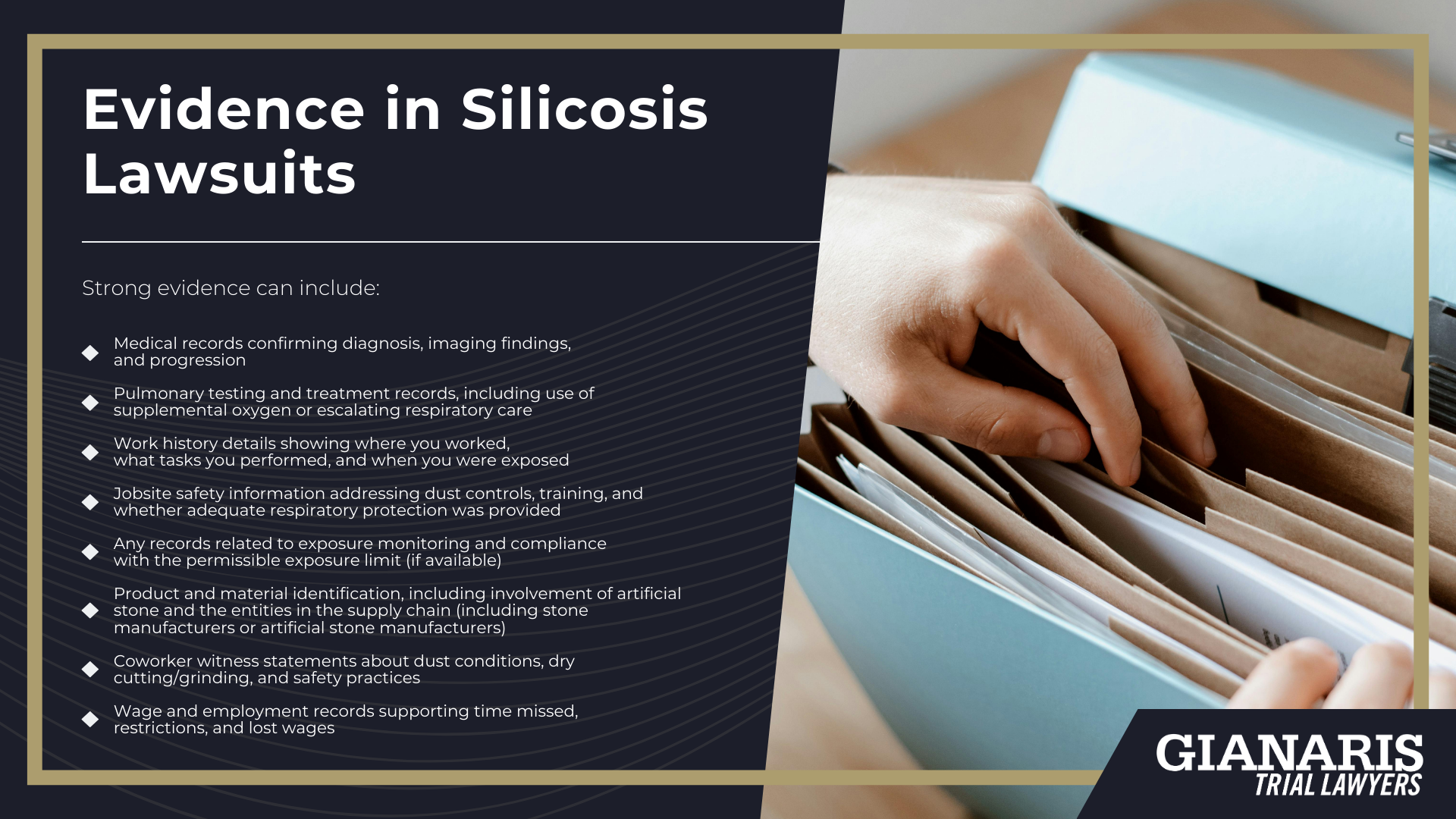
Evidence in Silicosis Lawsuits

Evidence is what connects the medical condition to a preventable workplace hazard, especially when the injury is caused by invisible dust.

Because silicosis involves lung inflammation and permanent scar tissue formation from inhaled silica, your case should show the exposure pathway and the resulting diagnosis and impairment.

Strong evidence can include:

  • Medical records confirming diagnosis, imaging findings, and progression (including documentation of lung inflammation and scar tissue)
  • Pulmonary testing and treatment records, including use of supplemental oxygen or escalating respiratory care
  • Work history details showing where you worked, what tasks you performed, and when you were exposed
  • Jobsite safety information addressing dust controls, training, and whether adequate respiratory protection was provided
  • Any records related to exposure monitoring and compliance with the permissible exposure limit (if available)
  • Product and material identification, including involvement of artificial stone and the entities in the supply chain (including stone manufacturers or artificial stone manufacturers)
  • Coworker witness statements about dust conditions, dry cutting/grinding, and safety practices
  • Wage and employment records supporting time missed, restrictions, and lost wages

Damages in Silicosis Lawsuits

Damages should reflect the full impact of an incurable lung disease, not just the first round of treatment.

Many silicosis patients face progressive impairment that can lead to ongoing care needs, reduced work capacity, and cascading health complications.

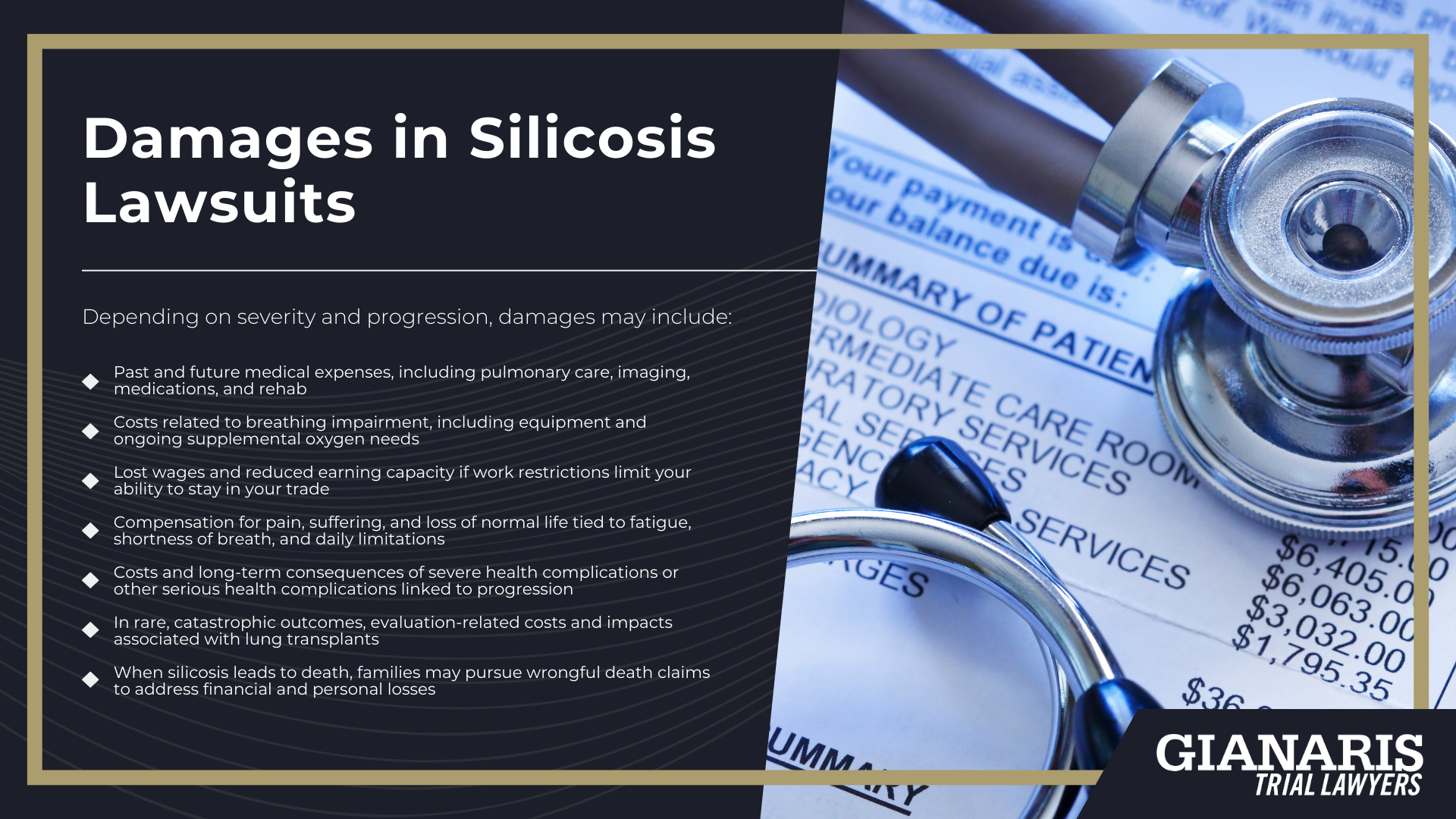
Depending on severity and progression, damages may include:

  • Past and future medical expenses, including pulmonary care, imaging, medications, and rehab
  • Costs related to breathing impairment, including equipment and ongoing supplemental oxygen needs
  • Lost wages and reduced earning capacity if work restrictions limit your ability to stay in your trade
  • Compensation for pain, suffering, and loss of normal life tied to fatigue, shortness of breath, and daily limitations
  • Costs and long-term consequences of severe health complications or other serious health complications linked to progression
  • In rare, catastrophic outcomes, evaluation-related costs and impacts associated with lung transplants
  • When silicosis leads to death, families may pursue wrongful death claims to address financial and personal losses

Gianaris Trial Lawyers: Lawyers for Silicosis Lawsuits

Gianaris Trial Lawyers represents workers harmed by preventable silica exposure and builds cases designed for real accountability, not shortcuts.

We investigate how exposure happened, whether companies failed to mitigate exposure risks, and whether the workplace ignored known safeguards like ventilation, wet cutting, and adequate respiratory protection.

Our team also examines the broader supply chain when artificial stone products are involved, including practices by stone manufacturers and artificial stone manufacturers that may be relevant to liability.

We work to document the medical story: lung inflammation, permanent scar tissue, and the functional impact that forces people to rely on treatment, supplemental oxygen, or major lifestyle changes.

If you were diagnosed with silicosis, we can review your records, preserve evidence, and help you pursue compensation through settlement negotiations or silicosis litigation, depending on what the case requires.

Contact Gianaris Trial Lawyers today for a free consultation, or you can use the chatbot on this page.

Frequently Asked Questions

  • How do I know if I need a silicosis lawyer?

    If you were diagnosed with silicosis and your work involved cutting, grinding, drilling, or polishing materials that produce silica dust, it’s worth speaking with a silicosis lawyer as soon as possible.

    Even if you are not sure where the exposure happened, an attorney can help reconstruct your work history and identify likely exposure sources.

    This matters because evidence can disappear quickly, and early mistakes in how you report your work history or symptoms can give insurers and defendants room to dispute your claim.

  • What if my employer says they followed safety rules?

    Employers often claim they complied with workplace safety requirements, but that does not automatically mean your exposure was properly controlled.

    A silicosis attorney can investigate whether dust controls were actually used day-to-day, whether respirators were appropriate and fit-tested, and whether exposure monitoring was performed when it should have been.

    The facts on the ground, how the work was done, how much dust was present, and whether protections were enforced, often matter more than what a policy manual says.

  • Can I file a claim if I worked for multiple companies or job sites?

    Yes, and this is common in silicosis cases because many workers are exposed across different employers, projects, or trades over time.

    A silicosis lawyer can identify all potentially responsible parties and determine whether more than one company contributed to unsafe exposure.

    The key is building a clear timeline of where you worked, what tasks generated dust, and how your medical records support the diagnosis and progression.

  • What evidence helps a silicosis lawyer build my case?

    Medical records are essential, but they’re only one piece of the puzzle.

    Your case also needs strong occupational evidence showing how exposure occurred.

    Helpful documentation can include job history details, union or payroll records, product/material information (including stone or engineered stone), witness statements from coworkers, and any photos or videos that show dusty conditions.

    When you combine exposure proof with diagnostic imaging and pulmonary testing, it becomes much harder for defendants to argue the disease is unrelated to work.

  • How long do I have to file a silicosis lawsuit?

    Time limits vary by state, and in many cases the deadline is tied to when you were diagnosed, or when you reasonably discovered the disease was connected to workplace exposure.

    Because silicosis can appear years after the worst exposure, waiting can be risky even if you feel you still have time.

    A silicosis lawyer can quickly identify the filing deadline that applies to you and take steps to preserve evidence while your medical condition and work history are still well documented.

Published by:
Share
Picture of Ted Gianaris
Ted Gianaris

With nearly 30 years of legal experience, Attorney Ted Gianaris has secured over $350 million in compensation for Illinois injury victims, car accident victims, and surviving family members of wrongful death victims.

This article has been written and reviewed for legal accuracy and clarity by the team of writers and attorneys at Gianaris Trial Lawyers and is as accurate as possible. This content should not be taken as legal advice from an attorney. If you would like to learn more about our owner and experienced Illinois injury lawyer, Ted Gianaris, you can do so here.

Gianaris Trial Lawyers does everything possible to make sure the information in this article is up to date and accurate. If you need specific legal advice about your case, contact us. This article should not be taken as advice from an attorney.

Additional Silicosis Lawsuit resources on our website:
All
FAQs
Injuries & Conditions
Legal Help
Occupations
Settlements & Compensation
You can learn more about Silicosis Lawsuit below:
Silicosis Lawsuit

Other Silicosis Lawsuit Resources

All
FAQs
Injuries & Conditions
Legal Help
Occupations
Settlements & Compensation