No fees unless we win.
Get a free consultation
128 Reviews
5.0
★★★★★

Railroad Pipefitter Injury Risks

An Overview of Railroad Pipefitter Injury Risks

Railroad Pipefitters Injury Risks center on the hazards pipefitters face while fabricating, installing, and repairing fuel, air, steam, and hydraulic systems across railyards, shops, and on-track equipment.

Gianaris Trial Lawyers represents current and former railroad pipefitters who suffered acute injuries or developed occupational illnesses they believe are tied to on-the-job hazards and chemical exposure, and we pursue accountability from railroads that failed to provide a safe workplace.

Railroad Pipefitter Injury Risks

Our Railroad Pipefitter Injury Lawyers Can Help You Today

Railroad pipefitters perform demanding, high-risk work that is essential to keeping trains operating safely and efficiently.

For decades, rail pipefitters have worked around high-pressure lines, hot liquids and steam, welding and cutting fumes, diesel exhaust, benzene-containing fuels, industrial solvents, and other corrosive or flammable chemicals—conditions linked to burns, explosions, respiratory disease, toxic exposures, hearing loss, and serious musculoskeletal injuries.

From installing and repairing pressurized piping systems to maintaining valves and hydraulic lines, pipefitters are routinely exposed to physical hazards and toxic substances.

These risks can lead to serious injuries or long-term occupational illnesses.

At Gianaris Trial Lawyers, we represent railroad pipefitters harmed on the job and help them pursue meaningful compensation under the Federal Employers’ Liability Act (FELA).

When unsafe working conditions, poor maintenance practices, or toxic exposures cause injury, we work to hold railroads accountable and protect workers’ rights.

Contact us today to schedule a consultation.

You can also use the chatbot on this page to see if you qualify immediately.

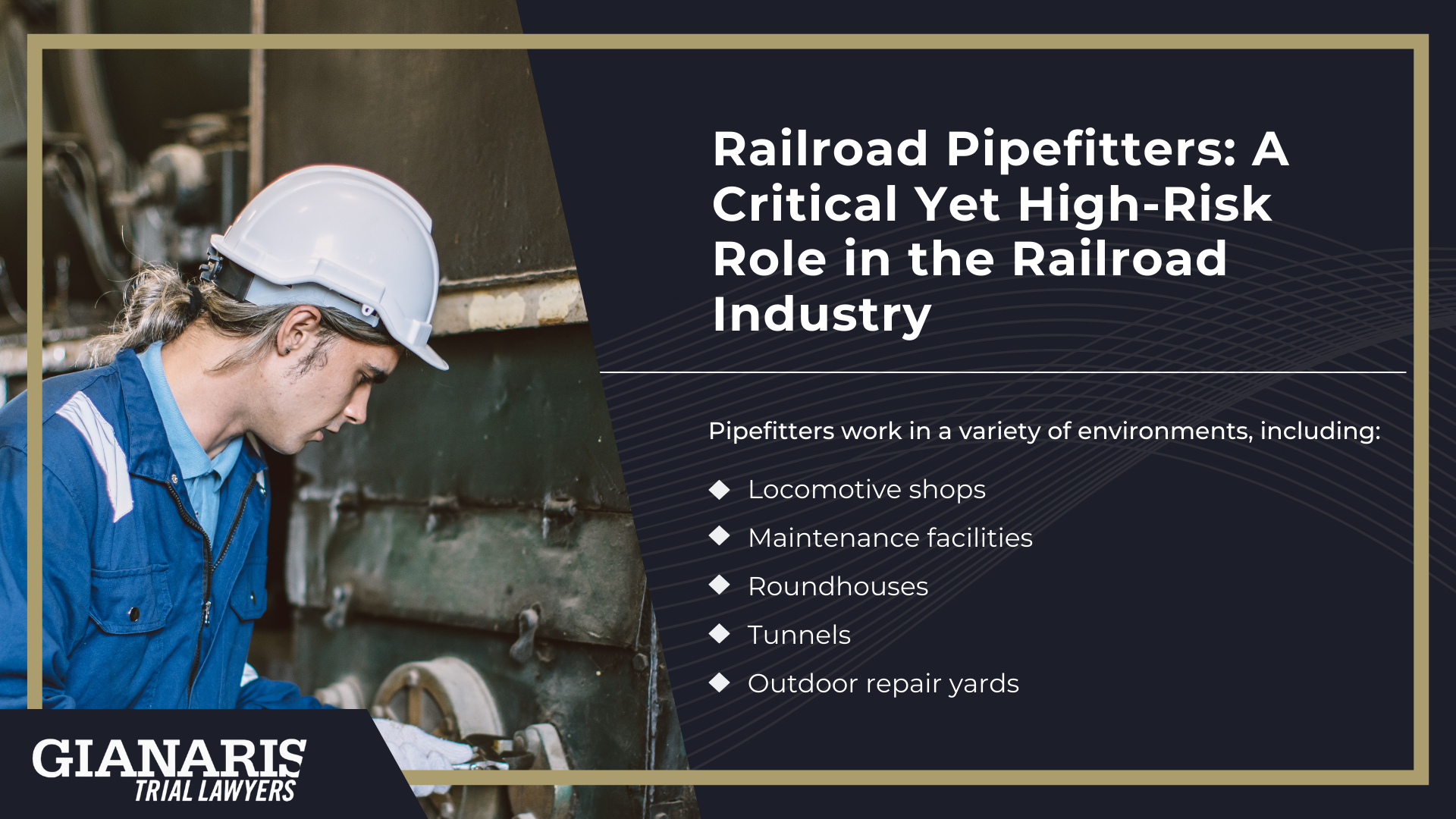
Railroad Pipefitters: A Critical Yet High-Risk Role in the Railroad Industry

Railroad pipefitters play a vital role in the construction, maintenance, and repair of piping systems that support railroad operations.

These railroad workers’ jobs involve installing and servicing pipes, valves, fittings, and hydraulic systems used in locomotives, braking mechanisms, fuel delivery systems, and rail yard infrastructure.

These systems often carry high-pressure fluids, steam, fuel, or compressed air, making precision and safety critical at every stage of the job.

Pipefitters work in a variety of environments, including:

  • Locomotive shops
  • Maintenance facilities
  • Roundhouses
  • Tunnels
  • Outdoor repair yards

In many of these places, railroad workers perform tasks in confined spaces where limited ventilation and restricted movement increase injury risk.

The job requires the use of specialized tools such as pipe threaders, cutting torches, grinders, wrenches, pressure-testing equipment, and hydraulic tools.

Railroad pipefitting relied heavily on manual cutting and fitting techniques, often without modern protective equipment or exposure controls.

Advances in materials, tooling, and safety standards have changed the profession, but the risks have not disappeared.

Industry sources such as the Federal Railroad Administration (FRA) and the Occupational Safety and Health Administration (OSHA) document the ongoing hazards associated with pressurized systems, aging infrastructure, and exposure to legacy materials like asbestos insulation.

While modern safety protocols emphasize lockout procedures, ventilation, and personal protective equipment, inconsistent enforcement and aging rail assets continue to place pipefitters at risk.

Railroad pipefitters remain essential to safe rail operations, but their work demands physical endurance, technical expertise, and constant exposure to dangerous conditions that require strict employer oversight and accountability.

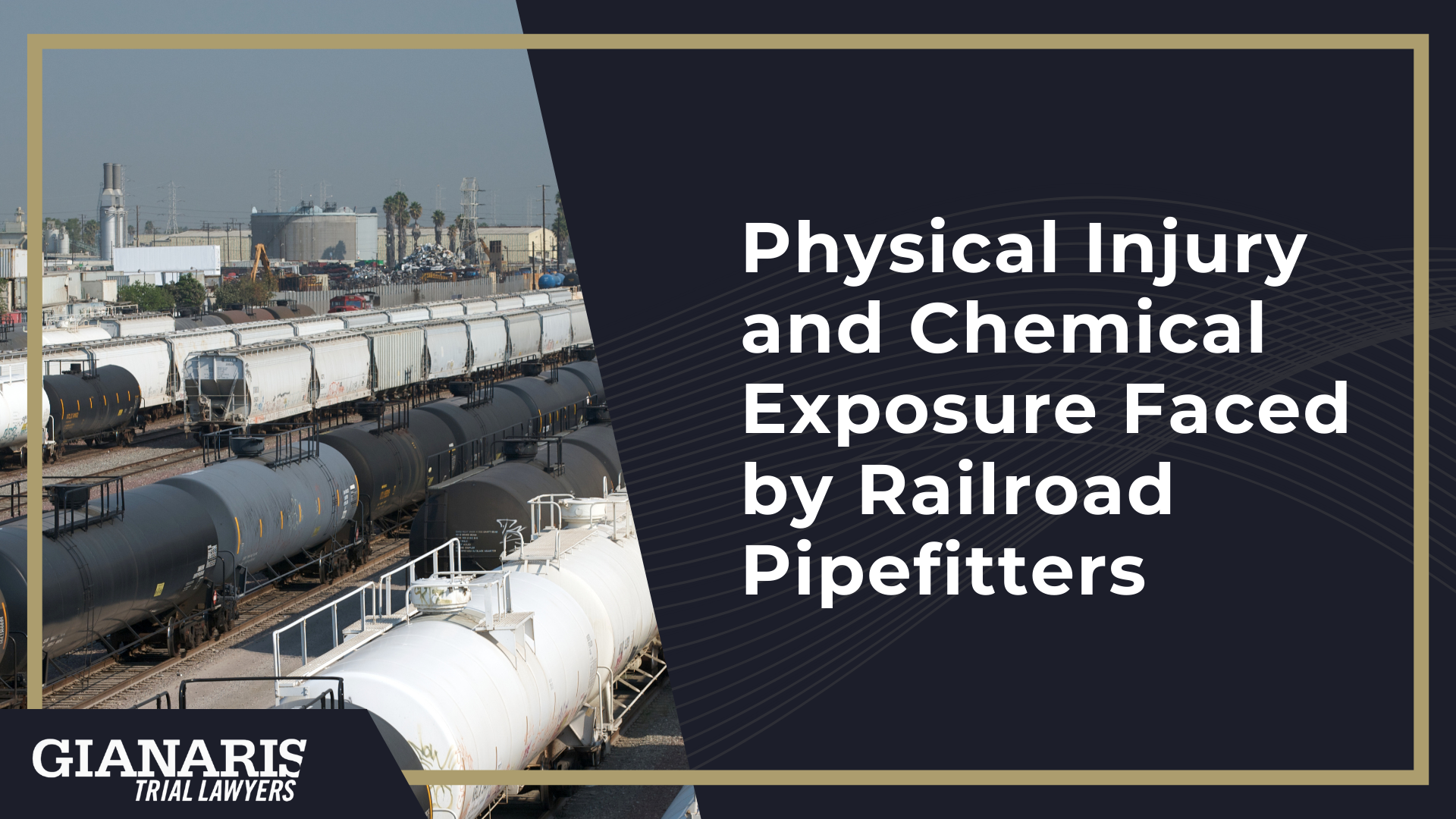
Physical Injury and Chemical Exposure Faced by Railroad Pipefitters

Railroad pipefitters face a unique combination of physical hazards and toxic exposures that can cause both sudden injuries and long-term health conditions.

The working environment exposes pipefitters to loud noises, potential chemical exposure, and extreme weather conditions.

Their work routinely places them near pressurized systems, hazardous materials, and aging infrastructure where a single failure can result in a serious railroad injury.

Many of these risks are not isolated events but are part of the daily conditions pipefitters encounter while installing, maintaining, or repairing piping systems throughout rail yards and maintenance facilities.

Physical injuries often occur alongside chemical exposure, compounding the harm to the worker.

Pipefitters may suffer burns, lacerations, or crush injuries while simultaneously inhaling fumes or dust released during repairs.
Repeated exposure to toxic substances can lead to occupational illnesses that are harder to diagnose and treat.

These dangers are especially significant for injured railroad workers who may not immediately connect their symptoms to past job duties or exposures.

In many railroad injury cases, unsafe conditions stem from inadequate maintenance procedures, poor ventilation, or failure to remove hazardous materials from older equipment.

When these risks are ignored, injured workers are left to bear the consequences.

Understanding how physical trauma and chemical exposure intersect is essential to evaluating liability and securing compensation under FELA, particularly in cases involving cumulative injuries or occupational disease.

Physical Injuries

Railroad pipefitters routinely perform physically demanding tasks that place them among the most vulnerable railroad employees in the industry.

Their work involves cutting, threading, aligning, and securing pipes that carry pressurized steam, fuel, air, and hydraulic fluids.

These tasks are often performed in tight mechanical spaces, beneath railcars, or inside locomotive compartments where visibility is limited and escape routes are restricted.

When systems fail or safety procedures are rushed, the risk of serious injury rises quickly.
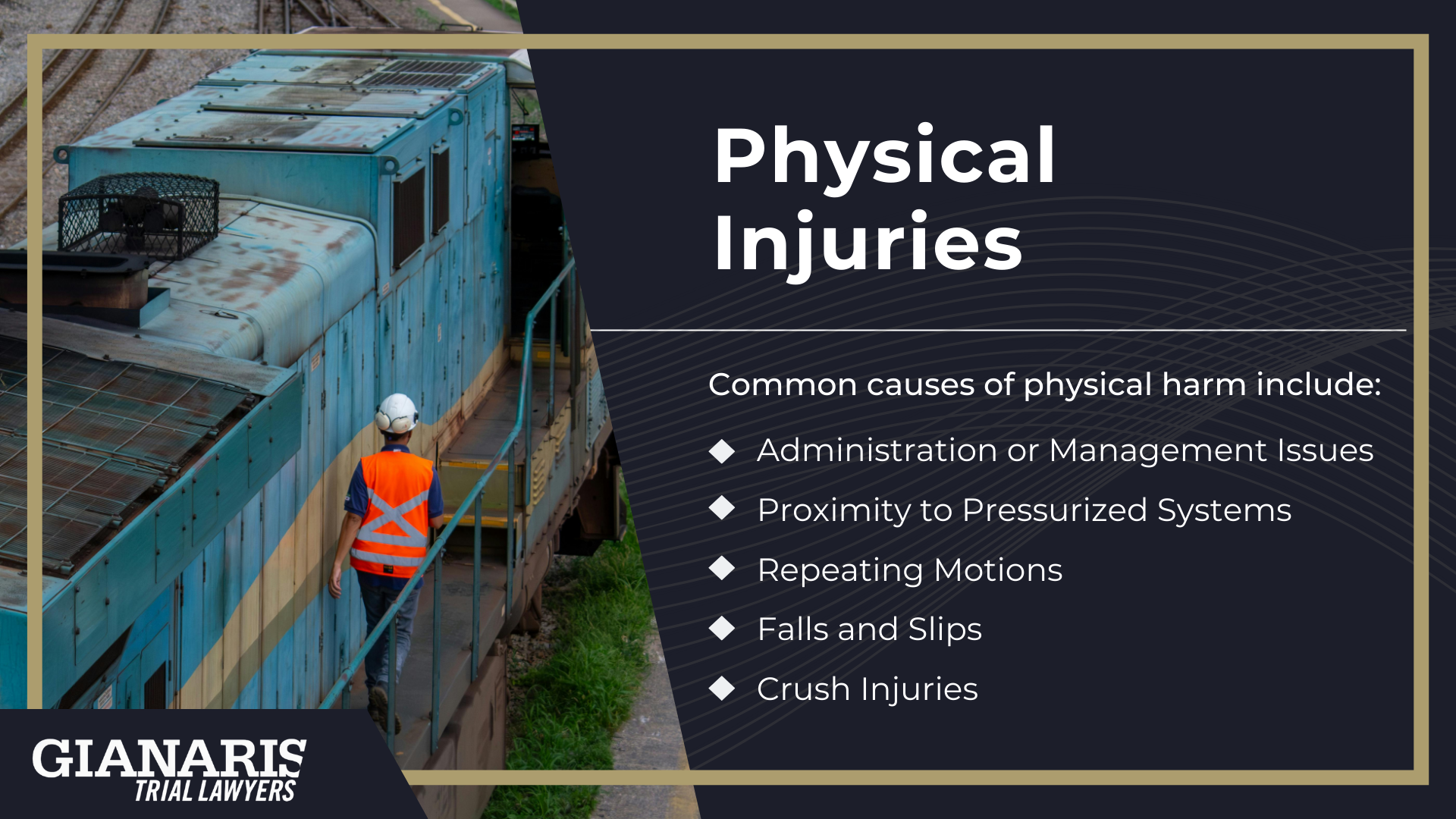
Common causes of physical harm include:

  • Administration or Management Issues: Physical injuries frequently result from employer failures such as inadequate lockout procedures, poor equipment maintenance, or understaffed crews.
  • Proximity to Pressurized Systems: Pipefitters may also be required to work on live or partially depressurized systems, increasing the likelihood of sudden releases, blowouts, or falling components.
  • Repeating Motions: Long-term repetitive lifting, torqueing, and overhead work can cause chronic damage that develops gradually. These injuries may initially seem manageable, but they often worsen until the worker can no longer safely perform their job. Many railroad employees do not realize the full extent of their injuries until they are forced to seek medical care or experience permanent work restrictions.
  • Falls and Slips: Falls are another significant hazard. Pipefitters frequently work on elevated platforms, uneven rail yard surfaces, or oily shop floors. A single slip can result in fractures, spinal injuries, or head trauma.
  • Crush Injuries: Crush injuries are also common when heavy pipes, valves, or fittings shift unexpectedly. In severe cases, these injuries can end a career and interfere with benefits administered through the railroad retirement board, creating long-term financial uncertainty.

Securing fair compensation under FELA requires clearly showing how these injuries relate to unsafe working conditions.

An experienced FELA lawyer understands how to document the physical demands of pipefitting work and counter arguments that injuries were unavoidable or caused by worker error.

This legal support is especially important for railroad employees facing permanent impairment, lost earning capacity, or prolonged recovery.

Common physical injuries faced by railroad pipefitters include:

  • Burns from steam, hot pipes, or leaking pressurized fluids
  • Lacerations from sharp pipe edges, cutting tools, or broken fittings
  • Falls resulting in fractures, head injuries, or spinal damage
  • Crush injuries caused by shifting pipes, valves, or heavy components
  • Repetitive strain injuries affecting the back, shoulders, wrists, and knees
  • Sprains and soft-tissue injuries from awkward positioning in confined spaces

Chemical Exposure Risks Faced by Railroad Pipefitters

Chemical exposure is one of the most serious and overlooked hazards confronting railroad pipefitters.

While a workplace injury such as a fall or burn is immediately visible, chemical exposure injuries often develop quietly over years of routine work.

Railroad pipefitters regularly handle or work near hazardous substances while maintaining locomotives, fuel systems, brake lines, and rail yard infrastructure.

Many railroad employees are exposed repeatedly without adequate warning, monitoring, or protective equipment.

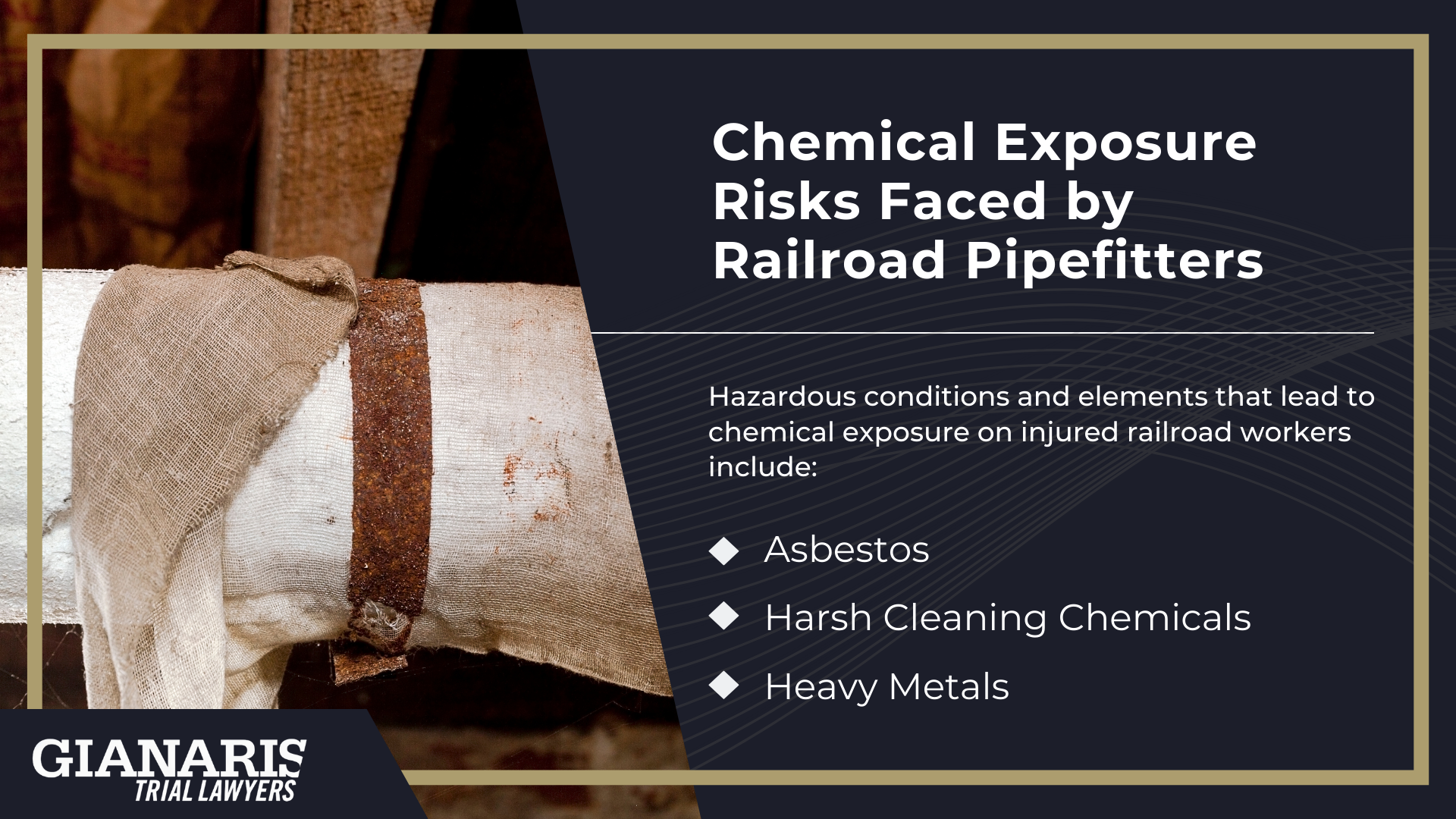
Hazardous conditions and elements that lead to chemical exposure on injured railroad workers include:

  • Asbestos: One of the most dangerous exposures involves asbestos, which was widely used for insulation on pipes, boilers, and valves in older railroad equipment and facilities. When disturbed during repairs or removal, asbestos fibers become airborne and can be inhaled or ingested.
  • Harsh Cleaning Chemicals: Solvents, degreasers, lubricants, and cutting fluids also pose significant risks, especially in enclosed maintenance areas with poor ventilation.
  • Heavy Metals: Welding, brazing, soldering, and using mechanical fittings are common methods for joining materials in pipefitting. However, these operations generate fumes containing heavy metals, while diesel exhaust from idling locomotives adds another layer of toxic exposure. Over time, railroad employees may inhale a mixture of carcinogens and neurotoxins without realizing the long-term consequences.

These exposures are often linked to serious medical conditions, including chronic obstructive pulmonary disease (COPD), asthma, neurological impairment, and occupational cancers such as mesothelioma and lung cancer.

Because symptoms can take years or decades to appear, railroad companies frequently dispute liability.

Unlike workers’ compensation, FELA allows injured workers to pursue claims based on employer negligence.

FELA lawsuits can provide maximum compensation when unsafe conditions, inadequate ventilation, or failure to remove known hazards contributed to illness.

Holding railroad employers accountable requires demonstrating how chemical exposure occurred and why the company failed to protect its workforce.

An experienced legal team can uncover historical records, safety violations, and expert testimony to show how exposures accumulated over time.

This process is critical for railroad employees whose illnesses prevent them from continuing their careers or enjoying retirement.

Common Chemical Exposure Injuries Faced by Railroad Pipefitters

Hazardous chemical exposure can lead to injuries.

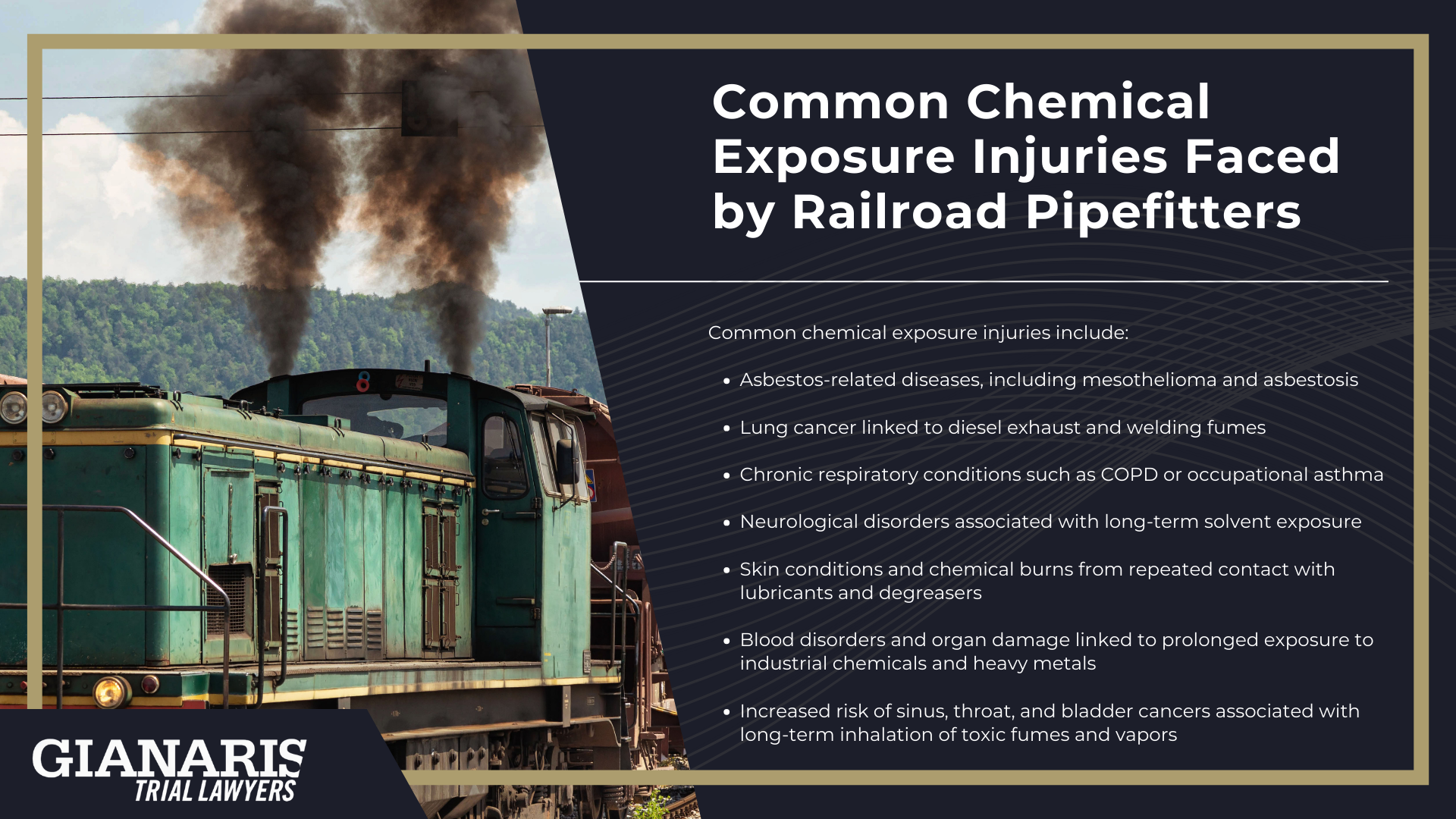
Common chemical exposure injuries include:

  • Asbestos-related diseases, including mesothelioma and asbestosis
  • Lung cancer linked to diesel exhaust and welding fumes
  • Chronic respiratory conditions such as COPD or occupational asthma
  • Neurological disorders associated with long-term solvent exposure
  • Skin conditions and chemical burns from repeated contact with lubricants and degreasers
  • Blood disorders and organ damage linked to prolonged exposure to industrial chemicals and heavy metals
  • Increased risk of sinus, throat, and bladder cancers associated with long-term inhalation of toxic fumes and vapors

How the Federal Employers' Liability Act Covers Injuries for Railroad Pipefitters

FELA provides critical legal protections for railroad pipefitters who suffer injuries or illnesses caused by unsafe working conditions.

Unlike state workers’ compensation systems, FELA allows injured railroad workers to bring civil lawsuits against their employers when negligence plays any role in causing harm.

For pipefitters, this often involves exposure to toxic materials, failure to maintain pressurized systems, or inadequate safety procedures in shops and rail yards.

Under FELA, a pipefitter may pursue compensation for an on the job injury by showing that the railroad failed to provide a reasonably safe workplace.

This can include poor ventilation, defective tools, insufficient training, or ignoring known hazards such as asbestos insulation or chemical exposure.

Federal laws such as the Locomotive Inspection Act further reinforce employer obligations by requiring locomotives and their components to be kept in proper condition.

Violations of these safety statutes can significantly strengthen liability in FELA claims.

Railroad companies often argue that injuries were unavoidable or caused by worker error.

This makes experienced legal representation essential. FELA attorneys understand how to investigate maintenance practices, identify regulatory violations, and connect unsafe conditions to injury or illness.

They also know how railroads attempt to shift blame and minimize exposure histories.

For railroad pipefitters, FELA provides a path to full compensation that accounts for medical costs, lost income, and long-term consequences of injury.

When employer negligence contributes to harm, even in part, FELA allows injured workers to seek accountability and financial recovery beyond what workers’ compensation would permit.

Types of Evidence That Support FELA Claims

Strong evidence is essential to proving negligence in FELA cases involving railroad pipefitters.

Because these claims require showing that unsafe conditions played a role in causing injury or illness, documentation and witness testimony often determine whether a case succeeds.

For an injured railroader, gathering this evidence early can be the difference between a denied claim and meaningful recovery.

At Gianaris Trial Lawyers, we act as designated legal counsel for railroad workers and take an active role in building strong cases.

Our team investigates the conditions surrounding railroad work, reviews maintenance and safety records, and works with medical and technical experts to establish how injuries occurred.

This approach allows us to connect workplace hazards — such as inadequate ventilation, defective equipment, or toxic exposure — to the worker’s medical condition and financial losses, including lost wages and reduced earning capacity.

Types of evidence commonly support FELA claims involving railroad pipefitters include:

  • Maintenance logs and repair records showing neglected or unsafe equipment
  • Safety audits, inspection reports, and regulatory compliance documents
  • Job assignments and work histories detailing locations and duties performed
  • Medical records linking injuries or illness to workplace exposure or trauma
  • Incident reports or internal investigations conducted by the railroad
  • Coworker statements describing unsafe practices or hazardous conditions
  • Historical records documenting exposure to asbestos, solvents, or fumes
  • Expert analysis connecting work conditions to injury or occupational disease

Together, this evidence helps demonstrate employer negligence and the full scope of harm suffered.

With experienced legal guidance, injured workers can present a clear, well-supported claim that reflects both the physical impact of their injuries and the long-term financial consequences of unsafe railroad operations.

Damages That May Be Covered

When a railroad pipefitter is harmed due to unsafe working conditions, FELA allows the injured railroader to pursue compensation that reflects the full impact of the injury or illness.

Unlike workers’ comp systems that limit recovery, FELA recognizes that workplace injuries can disrupt every aspect of a worker’s life, from physical health to long-term earning capacity.

The purpose of damages under FELA is not only to address immediate losses, but also to restore a measure of financial security for the future.

Our law firm helps injured workers understand their rights and take the necessary legal steps to seek full compensation.

These damages are designed to account for both economic and non-economic losses, especially when an injury results in permanent restrictions, prolonged medical care, or forced retirement.

Types of damages that may be covered include:

  • Past and future medical expenses related to the injury or occupational illness
  • Lost income and reduced earning capacity due to time away from work
  • Pain and suffering resulting from physical injuries and chronic conditions
  • Emotional distress and diminished quality of life
  • Costs associated with disability, rehabilitation, or long-term care
  • Compensation for permanent impairment or disfigurement

By pursuing all available damages, injured railroad pipefitters can better protect their health, their families, and their long-term stability when railroad negligence leads to serious harm.

Gianaris Trial Lawyers: Contact a FELA Lawyer To Schedule a Free Consultation

Railroad pipefitters perform essential work under demanding and often dangerous conditions.

When injuries or occupational illnesses occur, they are frequently the result of unsafe practices, aging infrastructure, or prolonged exposure to hazardous materials.

FELA exists to protect railroad workers in these situations and to ensure they are not left bearing the consequences of employer negligence alone.

Our team focuses on representing injured railroad workers and understanding the technical, medical, and legal complexities involved in these cases.

If you are a railroad pipefitter dealing with the effects of an on-the-job injury or toxic exposure or your family member was injured, our team is prepared to evaluate your case and help you pursue the compensation you deserve.

Contact Gianaris Trial Lawyers today for a free consultation and learn how we can help protect your rights under FELA.

You can also use the chatbot on this page to see if you qualify immediately.

Frequently Asked Questions

  • What Does a Railroad Pipefitter Do?

    A railroad pipefitter installs, maintains, and repairs the piping and fluid systems that keep locomotives and rail equipment operating—fuel, air, steam, coolant, hydraulics, and brake lines.

    The job includes cutting, threading, welding, and pressure-testing pipe; diagnosing leaks; replacing valves, gauges, and regulators; and coordinating with electricians and mechanics to return equipment to service safely.

    Pipefitters work in shops, pits, and trackside environments, often in tight spaces and around moving equipment, heat, and high-pressure systems.

  • What Injuries Are Common in Railroad Pipefitting?

    Because the work involves high pressure, heat, and heavy components, acute injuries can include burns (thermal and chemical), lacerations, eye injuries, crush and pinch injuries, and fractures from dropped loads or caught-between incidents.

    Over time, repetitive strain from torqueing fittings, overhead work, and vibration can lead to shoulder, elbow, wrist, and back disorders.

    Exposure to solvents, diesel exhaust, welding fumes, and cleaning agents also raises risks of respiratory disease, dermatitis, and other toxic exposure illnesses.

  • How Does FELA Apply to Railroad Pipefitters?

    Under the Federal Employers’ Liability Act (FELA), a railroad pipefitter can pursue compensation directly from the railroad if the company’s negligence, even slight, played a part in causing an injury or occupational disease.

    Negligence can include unsafe procedures, inadequate training or staffing, defective tools or PPE, or failure to control known chemical hazards.

    FELA allows recovery for lost wages, medical costs, pain and suffering, and loss of earning capacity, and claims are proven in civil court rather than through workers’ compensation.

    FELA claims can also be filed in the event of a wrongful death.

  • What Cancers Are Linked to Pipefitter Exposure?

    Railroad pipefitters may encounter carcinogens such as asbestos (in legacy components), diesel exhaust, welding fumes (including hexavalent chromium and manganese in certain processes), and benzene-containing fuels and solvents.

    These exposures have been associated with mesothelioma and lung cancer, as well as head, neck, bladder, and other respiratory or hematologic cancers in some workers.

    The specific risk depends on the intensity and duration of exposure, use of protective measures, and whether adequate ventilation and hygiene practices were in place.

  • How Long Do I Have To File a FELA Claim?

    Most FELA claims must be filed within three years of the date of injury.

    For latent occupational diseases—like cancers that appear years after exposure—the three-year clock generally starts when the worker knew or reasonably should have known that the condition was related to railroad employment.

    Because timelines can be nuanced and evidence fades, it’s wise to speak with an attorney promptly to document exposures, preserve records, and avoid deadline disputes.

Published by:
Share
Picture of Ted Gianaris
Ted Gianaris

With nearly 30 years of legal experience, Attorney Ted Gianaris has secured over $350 million in compensation for Illinois injury victims, car accident victims, and surviving family members of wrongful death victims.

This article has been written and reviewed for legal accuracy and clarity by the team of writers and attorneys at Gianaris Trial Lawyers and is as accurate as possible. This content should not be taken as legal advice from an attorney. If you would like to learn more about our owner and experienced Illinois injury lawyer, Ted Gianaris, you can do so here.

Gianaris Trial Lawyers does everything possible to make sure the information in this article is up to date and accurate. If you need specific legal advice about your case, contact us. This article should not be taken as advice from an attorney.

Other Employees at Risk Resources
All
FAQs
Injuries & Conditions
Legal Help
Occupations
Settlements & Compensation
You can learn more about Employees at Risk below:
Railroad Brakeman Injury Risks
Railroad Carman Injury Risks
Railroad Conductor Injury Risks
Railroad Electrician Injury Risks
Railroad Employees at Risk of Injury & Chemical Exposure
Railroad Equipment Operator Injury Risks
Railroad Locomotive Engineer Injury Risks
Railroad Shopman Injury Risks
Railroad Signal Maintainer Injury Risks
Railroad Track Engineer Injury Risks
Railroad Trackman Injury Risks
Railroad Welder Injury Risks

Other Employees at Risk Resources

All
FAQs
Injuries & Conditions
Legal Help
Occupations
Settlements & Compensation