
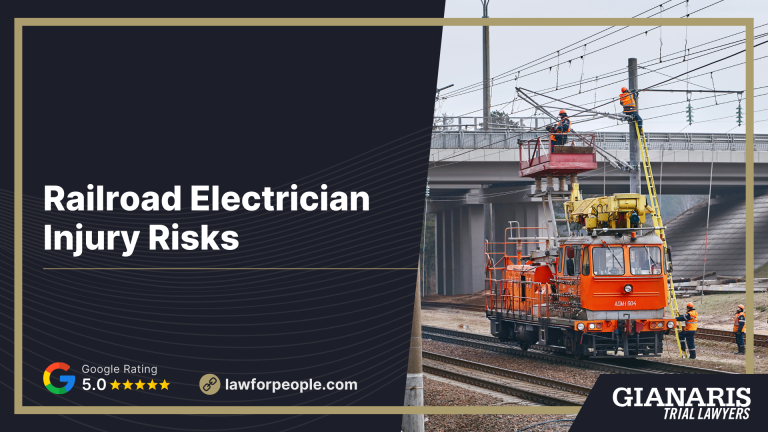
A locomotive electrician is responsible for maintaining, repairing, and troubleshooting electrical systems.
They handle an array of high-voltage AC and DC systems, traction motors, control circuits, onboard communication equipment, diagnostic software, and auxiliary power units.
Their ability to identify issues quickly and prevent equipment failures directly impacts the reliability of trains, as well as the safety of railroad employees and passengers.
Unlike electricians in manufacturing plants, construction sites, or automotive garages, a train electrician must understand heating systems and other locomotive-specific ones, signaling infrastructure, electronic control modules, and stringent protocols unique to the railroad industry.
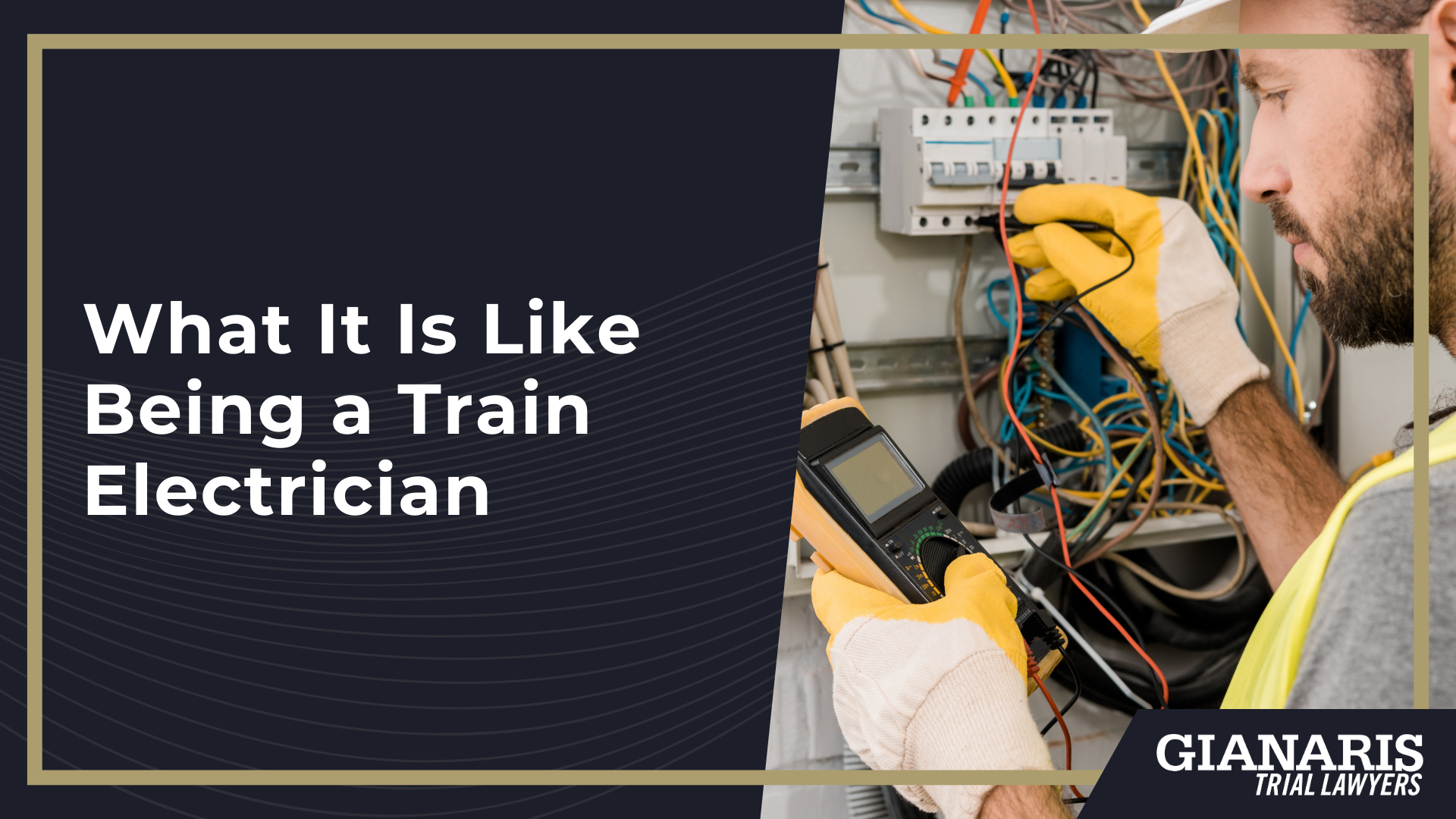
The demands go far beyond general wiring or circuit repair; they require mastering specialized diagnostic procedures, understanding locomotive schematics, interpreting sensor data, and operating in places where heavy equipment and hazardous substances are constantly present.
Most individuals who pursue electrician jobs on the railway come from technical schools, apprenticeship programs, or military mechanical specialties.
They must possess advanced troubleshooting abilities, strong mechanical aptitude, and a deep familiarity with various tools, technologies, and railway-specific components.
Practical experience is necessary, as is the ability to work independently or as part of a collaborative team.
Attention to detail is not optional but the primary safeguard against catastrophic electrical failures.
Key Responsibilities of Railroad Electricians
Locomotive electricians perform a wide range of duties.

Duties include:
- Identifying electrical malfunctions in locomotive systems
- Conducting routine inspections and preventative upkeep on wiring, sensors, switches, relays, and other components
- Repairing or replacing faulty electrical parts, such as breakers, relays, contactors, power connectors, and generators
- Testing, calibrating, and tuning electronic control systems responsible for braking, engine management, communication, and power distribution
- Installing upgraded systems or newly engineered electrical components in locomotives according to technical specifications and electrical codes
- Documenting all diagnostic findings, maintenance tasks, repairs, and parts replacements
- Working closely with mechanical teams, machinists, and other technicians to resolve problems
Tools and Technologies
Train electricians use specialized tools and equipment that allow them to diagnose and fix locomotive systems.

Tools and equipment include:
- Diagnostic equipment such as multimeters, oscilloscopes, circuit tracers, insulation resistance testers, and programmable diagnostic modules
- A variety of precision hand tools, such as strippers, crimpers, screwdrivers, wrenches, and torque tools
- Diagnostic laptops and proprietary software systems for interfacing with locomotive control modules, checking error codes, and performing calibrations
- Rigging equipment and lifting tools that help access hard-to-reach components located under locomotives or within cramped engine compartments
- Personal protective equipment (PPE), including safety glasses, flame-resistant clothing, hard hats, gloves, and hearing protection
- Detailed wiring diagrams, technical manuals, and computer-aided diagnostic resources specific to each locomotive model or manufacturer
Work Environment
Train electricians work in places unlike any other electrical specialty.
They carry out their duties in rail yards, maintenance depots, repair shops, and active tracks.
The setting is typically industrial, noisy, and physically demanding.
Temperatures fluctuate widely depending on the season and location.
Many tasks must also be performed outdoors, even in extreme weather conditions.
The job often requires working at heights, navigating confined spaces, kneeling for extended periods, and maneuvering around heavy machinery.
Shift work, night schedules, weekend assignments, and on-call duties are also common because railroads run continuously.