
No fees unless we win.
Get a free consultation
128 Reviews
5.0
★★★★★

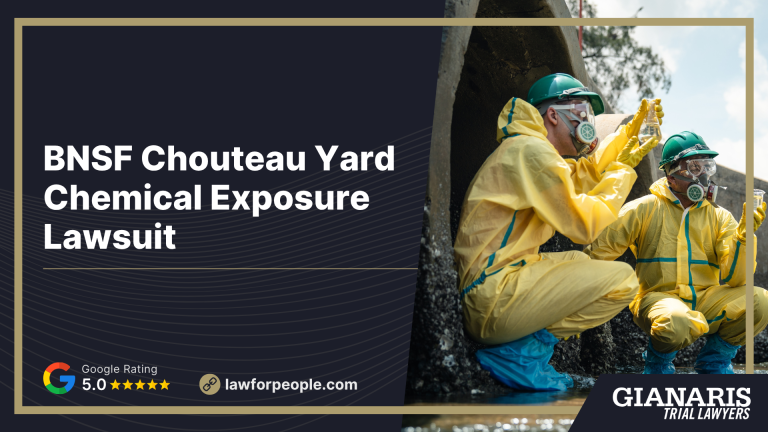
BNSF Chouteau Yard Chemical Exposure Lawsuit

Were You Exposed to Toxic Substances at BNSF Chouteau Yard? Contact Us

The BNSF Chouteau Yard Chemical Exposure Lawsuit investigation focuses on whether years of railroad work in the Chouteau rail corridor area of St. Louis may have contributed to cancer, respiratory disease, blood disorders, or another serious occupational illness.

The Chouteau area has long been associated with freight rail activity, industrial trackage, switching operations, railcar movement, and railroad support work within the broader St. Louis transportation network.

Workers assigned to freight operations in this corridor may have spent years around locomotives, railcars, diesel-powered equipment, maintenance activity, freight residue, fuels, solvents, ballast, welding operations, and other industrial materials associated with railroad operations.

Depending on a worker’s job duties and years of employment, that work may have involved repeated exposure to diesel exhaust, petroleum-based chemicals, benzene-containing substances, silica dust, welding fumes, asbestos-containing materials, metal particulates, and other industrial contaminants associated with railroad environments.

Occupational exposure claims involving the Chouteau area require a detailed review of the worker’s actual assignments, work locations, years of employment, diagnosis, and the available workplace and medical evidence.

In many occupational disease cases, the concern is cumulative exposure over many years rather than a single event or short-term incident.

BNSF Chouteau Yard Chemical Exposure Lawsuit

Workplace Exposures at BNSF Chouteau Yard May Be Linked to Cancer and Other Serious Health Problems

The Chouteau rail corridor sits within one of St. Louis’s long-running industrial transportation areas, where freight rail activity has historically served nearby manufacturing, warehousing, and local industry.

Unlike a large, established terminal such as Lindenwood or Luther Yard, Chouteau should be understood as a rail corridor and freight operations area rather than a fully documented standalone classification yard.

Workers assigned to BNSF or predecessor rail operations in this area may have performed switching, railcar handling, inspection, maintenance, cleanup, track work, or local freight support tied to industrial customers and connecting rail lines.

Those jobs may have placed workers near diesel locomotives, railcars, freight residue, ballast, fuels, solvents, welding activity, older railroad equipment, and other materials associated with urban rail operations.

The exposure analysis depends on the worker’s actual job duties and the specific part of the Chouteau area where the work occurred.

Gianaris Trial Lawyers is reviewing potential claims involving railroad workers who believe years of work in the Chouteau rail corridor may be connected to cancer, respiratory disease, blood disorders, or another serious occupational illness.

If you or a loved one worked at Chouteau rail corridor, later developed cancer or another serious illness, and believe occupational exposure may be involved, you may have grounds to pursue a railroad workers cancer claim.

Gianaris Trial Lawyers can evaluate the facts and determine whether a FELA cancer lawsuit may be available.

An experienced FELA cancer lawyer can review the worker’s rail yard history, identify possible exposure sources, and explain the legal options available under federal law.

Gianaris Trial Lawyers’ railroad cancer lawyers are reviewing claims for workers and families affected by possible chemical exposure at Chouteau Yard.

BNSF Chouteau Rail Corridor Overview: History, Railroad Companies, and More

The Chouteau rail corridor is part of a long-established industrial and transportation area in the City of St. Louis that developed alongside manufacturing, warehousing, freight distribution, and railroad activity.

Rail infrastructure in the corridor historically supported local industry through switching operations, industrial spurs, freight service, railcar movement, and connections to the broader St. Louis rail network.

The corridor has been associated with railroad operations connected to the St. Louis-San Francisco Railway (Frisco), Burlington Northern, and later BNSF Railway through corporate succession.

Unlike major documented terminals such as Lindenwood Yard or Luther Yard, the Chouteau area is better understood as a freight rail corridor and industrial service area containing multiple rail-related operations over different periods of time.

Railroad employees working in the area may have performed switching, local freight service, track maintenance, inspection work, railcar handling, locomotive operations, industrial customer service, and other railroad support functions tied to the surrounding industrial district.

Timeline of Rail Operations in the Chouteau Corridor

  • Late 1800s: Industrial development expands throughout the Chouteau Avenue corridor as St. Louis grows into a major manufacturing and transportation center.
  • Early 1900s: Rail infrastructure, industrial sidings, freight facilities, and railroad service tracks become established throughout the area to support local industry.
  • Mid-20th century: The corridor remains an active freight rail area serving manufacturing facilities, warehouses, and industrial customers throughout central St. Louis.
  • 1980: Burlington Northern announces the acquisition of the St. Louis-San Francisco Railway (Frisco).
  • 1981: Frisco is formally merged into Burlington Northern, bringing former Frisco rail operations in the area into the Burlington Northern system.
  • 1995: Burlington Northern and Santa Fe merge to form BNSF Railway.
  • Modern era: BNSF freight operations continue within the Chouteau corridor as part of the broader St. Louis freight rail network.
  • Today: The corridor remains associated with freight rail activity, industrial service, switching operations, and rail infrastructure serving businesses in the St. Louis area.

What Railroad Companies Have Operated at BNSF Chouteau Yard?

The railroad history of the Chouteau corridor is tied primarily to freight and industrial rail operations in central St. Louis rather than a single standalone yard with a well-documented ownership history.

Public railroad records and historical sources associate the area with rail operations that evolved through several railroad companies over time.

The modern freight rail activity in the corridor is generally associated with BNSF Railway and its predecessor railroads.

Railroad companies associated with rail operations in the Chouteau corridor include:

  • St. Louis-San Francisco Railway (Frisco) – Historically served portions of the St. Louis freight network and industrial rail infrastructure connected to the corridor.
  • Burlington Northern Railroad (BN) – Acquired the Frisco and assumed its rail operations following the 1980-1981 merger.
  • BNSF Railway – Successor to Burlington Northern and the railroad most closely associated with current freight operations in the area.
  • Terminal Railroad Association of St. Louis (TRRA) – Has historically played an important role in freight interchange and rail connections throughout the St. Louis region, including areas connected to industrial rail corridors.


What Kind of Railroad Work Has Taken Place at the Chouteau Rail Corridor?

Railroad work in the Chouteau corridor has historically been tied to freight service, industrial rail operations, switching activity, and local customer service within the St. Louis rail network.

The corridor has functioned as an area where rail infrastructure supports freight movement between industrial customers, connecting rail lines, and regional transportation networks.

The specific work performed could vary depending on the railroad, customer, location, and period of employment.

Workers assigned to the area may have spent time around locomotives, railcars, industrial sidings, maintenance activity, freight handling operations, and railroad support functions.

Railroad work historically associated with the Chouteau corridor may include:

  • Switching operations serving industrial customers and local freight movements.
  • Railcar handling, inspection, and transportation support work.
  • Locomotive operation and related railroad service activity.
  • Track maintenance and maintenance-of-way operations.
  • Freight delivery and pickup service for warehouses, manufacturers, and industrial facilities.
  • Mechanical maintenance, repair, and support work involving railroad equipment.
  • Signal, communications, and infrastructure maintenance.
  • Cleanup, labor, and contractor work associated with railroad operations.

The work environment could differ substantially depending on where the employee worked and what duties were assigned.

Some workers spent much of their careers on active rail lines and industrial trackage, while others worked in maintenance, repair, inspection, or support roles.

Occupational exposure claims involving the Chouteau corridor depend on the worker’s actual assignments, years of employment, work locations, diagnosis, and the available evidence tied to the alleged exposure conditions.

Chemical Exposure Risks at BNSF Chouteau Yard: Overview

Chemical exposure risks at Chouteau Yard may involve the substances commonly found in freight-yard, switching, track, and rail maintenance environments.

Potential chemical exposure risks may include:

  • Diesel exhaust exposure: Locomotives, yard engines, trucks, and other diesel-powered equipment can release exhaust particles and gases. The American Cancer Society states that IARC classifies diesel engine exhaust as carcinogenic to humans based on sufficient evidence linking it to an increased risk of lung cancer, with some evidence of an association with bladder cancer.
  • Benzene exposure: Fuels, petroleum products, solvents, degreasers, and cleaning chemicals may contain or involve benzene. OSHA states that benzene is primarily an inhalation hazard and can depress the hematopoietic system, with effects including pancytopenia, aplastic anemia, and leukemia.
  • Asbestos exposure: Older railroad equipment, insulation, brakes, gaskets, buildings, and repair materials may be relevant depending on the worker’s duties and work period.
  • Welding fumes and metal dust: Railcar repair, cutting, grinding, and fabrication work may expose workers to fumes, particles, and metals.
  • Silica dust: Ballast work, track work, grinding, cutting, and other dust-heavy maintenance tasks may involve respirable silica.
  • Railroad ties and track materials: Workers may encounter creosote-treated ties, ballast dust, herbicides, and other materials used in the track environment.
  • Other dangerous substances: Oils, fuels, lubricants, pesticides, cargo residues, solvents, degreasers, and cleaning products may contribute to workplace exposure.

Exposure claims usually turn on the worker’s cumulative exposure history, diagnosis, and medical proof.

Railroad Jobs That May Have Involved Exposure at BNSF Chouteau Yard

Not every worker at Chouteau Yard had the same exposure profile.

Some workers may have spent most of their time around locomotives or switching operations.

Others may have worked with older equipment, track materials, solvents, asbestos-containing parts, or contaminated cargo residue.

Jobs that may have involved exposure include:

  • Yard crews: May have worked near running locomotives, idling engines, railcars, diesel fumes, cargo residue, and ballast dust.
  • Engineers and hostlers: May have experienced repeated diesel exhaust exposure in locomotive cabs, yards, and engine areas.
  • Carmen and railcar inspectors: May have encountered brake dust, cargo residue, welding fumes, metal dust, and older railcar parts.
  • Mechanics and shop workers: May have used oils, solvents, degreasers, lubricants, gaskets, insulation, and repair chemicals.
  • Track workers: May have handled railroad ties, ballast, silica dust, herbicides, and dust-heavy materials.
  • Sheet metal workers and repair trades: May have been exposed to welding fumes, metal dust, shop chemicals, and asbestos-containing materials.
  • Cleanup workers and contractors: May have encountered spills, contaminated debris, railcar residue, or chemical cleanup conditions.

A potential claim may involve railroad workers exposed over many years.

Illnesses and Diseases Linked to Chemical Exposure in the Railroad Industry

Chemical exposure claims require disease-specific and exposure-specific review.

A diagnosis alone does not prove that railroad work caused the illness.

The evidence must connect the worker’s disease to job duties, exposure history, medical records, and possible railroad negligence.

Illnesses commonly evaluated in railroad occupational exposure claims include:

  • Lung cancer: Evaluated where the exposure history involves long-term diesel exhaust or asbestos exposure.
  • Bladder cancer: May be reviewed where diesel exhaust, solvents, or other occupational hazards are supported by the evidence.
  • Leukemia and blood disorders: May be evaluated where benzene exposure is supported by the worker’s job history.
  • Mesothelioma, asbestosis, and asbestos-related disease: Evaluated where asbestos exposure is documented.
  • Chronic respiratory disease: May be reviewed where the worker had repeated exposure to fumes, dust, particulates, or respiratory irritants.
  • Other cancers or conditions: Require specific medical and exposure evidence.

Do You Qualify for a FELA Claim for Chemical Exposure?

You may qualify for a FELA claim if you worked for a railroad, were exposed to toxic substances during railroad work, and later developed cancer or another serious illness that may be connected to that exposure.

A potential FELA cancer lawsuit may be reviewed if:

  • You worked at BNSF Chouteau Yard or another rail facility.
  • You were exposed to diesel exhaust, benzene, asbestos, welding fumes, silica dust, metal dust, solvents, heavy metals, or other harmful substances.
  • You later received one or more cancer diagnoses or developed a serious illness.
  • Your railroad employer failed to provide a reasonably safe workplace.
  • The railroad failed to warn workers about known exposure hazards.
  • The illness caused medical costs, hospital bills, lost wages, disability, reduced life expectancy, or death.
  • You are one of the surviving family members of a worker who died from a suspected occupational disease.

The family deserves a careful review when a loved one spent years in railroad work, later became seriously ill, and may have been exposed to toxic substances on the job.

How FELA Applies to Railroad Workers

Unlike workers’ compensation, FELA is fault-based.

The worker must show that the railroad’s negligence played some part in causing the harm.

In chemical exposure cases, negligence may involve unsafe work conditions, inadequate warnings, poor ventilation, lack of protective equipment, failure to monitor exposure, or failure to reduce known hazards.

FELA generally has a three-year filing deadline.

In occupational disease cases, the deadline may depend on when the worker knew, or reasonably should have known, that the illness may be related to railroad work.

Because timing can be disputed, workers should seek legal review promptly after diagnosis or after learning that workplace exposure may be connected to the illness.

Potential negligence issues may include:

  • Failure to control diesel exhaust exposure.
  • Failure to provide adequate ventilation in locomotives, shops, or yard work areas.
  • Failure to provide proper respirators, gloves, protective clothing, or training.
  • Failure to warn workers about benzene, asbestos, silica dust, welding fumes, diesel fumes, heavy metals, or other toxic substances.
  • Failure to monitor air quality or workplace exposures.
  • Failure to use safer products when available.
  • Failure to clean contaminated railcars, tools, equipment, or work areas.
  • Failure to maintain locomotives, machinery, or equipment in a reasonably safe condition.

Evidence in FELA Railroad Cancer Lawsuits

Evidence is critical in FELA railroad cancer lawsuits because many cases involve exposures that happened years or decades before diagnosis.

An experienced railroad cancer attorney can investigate the worker’s job history, exposure sources, diagnosis, and damages.

Important evidence may include:

  • Employment records showing dates worked, job titles, assignments, and work locations.
  • Records showing work at Chouteau Yard or other BNSF St. Louis rail locations.
  • Coworker statements about diesel exhaust, solvents, asbestos, welding fumes, silica dust, metal dust, and chemical exposure.
  • Medical records confirming cancer, respiratory disease, blood disorders, or chronic illnesses.
  • Pathology reports, imaging, pulmonary tests, blood tests, oncology records, and occupational medicine evaluations.
  • Safety Data Sheets or Material Safety Data Sheets for fuels, solvents, degreasers, cleaners, and other products.
  • Railroad safety policies, training documents, PPE records, air monitoring records, and internal warnings.
  • Records involving chemical freight, spills, railcar cleaning, repair operations, or contaminated materials.
  • Expert review from industrial hygienists, toxicologists, physicians, economists, and railroad safety specialists.

An experienced attorney can help determine whether the available evidence supports a claim.

Workers should not assume they lack legal options simply because the exposure occurred years ago.

Damages in Railroad Cancer Claims

Damages in railroad cancer claims depend on the diagnosis, prognosis, work history, wage loss, treatment needs, and impact on daily life.

No law firm can promise a specific railroad cancer settlement or guarantee railroad cancer settlement amounts before reviewing the evidence.

Potential damages may include:

  • Past and future medical expenses.
  • Hospital bills, surgery, chemotherapy, radiation, medication, imaging, and follow-up care.
  • Lost wages and reduced earning capacity.
  • Pain, suffering, disability, and reduced quality of life.
  • Out-of-pocket treatment, travel, and home-care costs.
  • Loss of household services and support.
  • Funeral expenses in wrongful death cases.
  • Losses suffered by surviving family members where allowed under the law.

The purpose of a FELA case is to seek compensation for harm caused by railroad negligence.

Depending on the facts, injured workers and family members may pursue fair compensation or meaningful compensation for the financial and personal impact of occupational cancer, serious illness, or wrongful death.

Gianaris Trial Lawyers: Investigating Chemical Exposure Claims at BNSF Chouteau Yard

Gianaris Trial Lawyers is investigating potential toxic exposure and railroad cancer claims involving current and former workers at BNSF Chouteau Yard in St. Louis.

The firm is reviewing whether years of occupational exposure to diesel exhaust, benzene-containing chemicals, asbestos, welding fumes, silica dust, metal dust, heavy metals, and other toxic substances may have contributed to cancer, respiratory disease, blood disorders, chronic illnesses, or wrongful death.

The firm’s railroad cancer lawyers may review:

  • Whether the worker was assigned to Chouteau Yard or other BNSF St. Louis rail operations.
  • Whether the worker was exposed to diesel exhaust, benzene, asbestos, welding fumes, silica dust, metal dust, heavy metals, solvents, or other carcinogenic substances.
  • Whether the worker developed lung cancer, bladder cancer, non Hodgkin’s lymphoma, blood disorders, respiratory disease, or another serious illness.
  • Whether BNSF or another railroad employer failed to reduce exposure or warn workers.
  • Whether surviving family members may have a wrongful death claim.

If you or a loved one worked at Chouteau Yard and later developed cancer or another serious health condition, Gianaris Trial Lawyers can evaluate whether a FELA claim may be available.

Contact the firm for a free consultation or confidential consultation to discuss your work history, exposure concerns, medical diagnosis, and legal options.

Frequently Asked Questions

  • What is the BNSF Chouteau Yard Chemical Exposure Lawsuit?

    The BNSF Chouteau Yard Chemical Exposure Lawsuit investigation focuses on whether railroad workers developed cancer, lung disease, blood disorders, or other serious illnesses after years of work in this St. Louis freight-yard environment.

    Workers at BNSF Chouteau Yard may have been exposed to diesel exhaust, benzene-containing solvents, asbestos-containing materials, welding fumes, silica dust, metal dust, heavy metals, and other toxic substances during yard, switching, maintenance, and railcar operations.

    An experienced railroad cancer lawyer can review the worker’s job history, exposure history, diagnosis, and available evidence to determine whether a FELA claim may be available.

  • What chemicals may have exposed workers at BNSF Chouteau Yard?

    Workers at BNSF Chouteau Yard may have encountered diesel exhaust, diesel fumes, petroleum-based chemicals, benzene-containing solvents, asbestos, welding fumes, silica dust, metal dust, heavy metals, lubricants, degreasers, and other dangerous substances.

    These exposures may have occurred around running locomotives, idling engines, railcars, repair areas, track materials, railroad ties, fueling areas, and freight operations.

    In railroad cancer claims, the concern is often prolonged exposure over many years rather than one isolated incident.

  • What illnesses may be linked to chemical exposure at Chouteau Yard?

    Chemical exposure in the railroad industry may be linked to lung cancer, leukemia, blood disorders, bladder cancer, non-Hodgkin’s lymphoma, mesothelioma, asbestosis, COPD, chronic bronchitis, neurologic problems, and other chronic illnesses.

    A cancer diagnosis alone does not prove a lawsuit, but it may support a claim when evidence connects the illness to occupational exposure and employer negligence.

    An experienced railroad cancer lawyer can help determine whether diesel exhaust exposure, benzene exposure, asbestos exposure, silica dust, welding fumes, or other work exposure may have contributed to the disease.

  • Who may qualify for a FELA claim after working at BNSF Chouteau Yard?

    Current or former railroad workers may qualify for a FELA claim if they worked at BNSF Chouteau Yard, were exposed to harmful substances on the job, and later developed cancer or another serious illness.

    Surviving family members may also have legal options if a worker died from an occupational disease linked to toxic exposure at the yard.

    These claims require a careful review of employment dates, job duties, daily exposure, medical records, and whether BNSF or another railroad employer failed to provide a reasonably safe workplace.

  • What compensation may be available in a BNSF Chouteau Yard railroad cancer claim?

    Compensation in a railroad cancer claim may include medical expenses, hospital bills, lost wages, reduced earning capacity, pain and suffering, and losses tied to a reduced quality of life.

    In wrongful death cases, surviving family members may be able to pursue funeral expenses and other damages allowed under the law.

    No law firm can promise a specific railroad cancer settlement or settlement amount before an experienced railroad cancer lawyer reviews the diagnosis, exposure evidence, employer conduct, and damages.

Published by:
Share
Picture of Ted Gianaris
Ted Gianaris

With nearly 30 years of legal experience, Attorney Ted Gianaris has secured over $350 million in compensation for Illinois injury victims, car accident victims, and surviving family members of wrongful death victims.

This article has been written and reviewed for legal accuracy and clarity by the team of writers and attorneys at Gianaris Trial Lawyers and is as accurate as possible. This content should not be taken as legal advice from an attorney. If you would like to learn more about our owner and experienced Illinois injury lawyer, Ted Gianaris, you can do so here.

Gianaris Trial Lawyers does everything possible to make sure the information in this article is up to date and accurate. If you need specific legal advice about your case, contact us. This article should not be taken as advice from an attorney.

Additional Railyard Chemical Exposure Lawsuits resources on our website:
All
FAQs
Injuries & Conditions
Legal Help
Occupations
Settlements & Compensation
You can learn more about Railyard Chemical Exposure Lawsuits below:
54th Yard Chemical Exposure Lawsuit
Bedford Park Railyard Chemical Exposure Lawsuit
Belt Railway of Chicago Clearing Yard Chemical Exposure Lawsuit
Bensenville Rail Yard Chemical Exposure Lawsuit
BNSF Lindenwood Yard Chemical Exposure Lawsuit
Chicago Union Station Chemical Exposure Lawsuit
CN Markham Yard Chemical Exposure Lawsuit
Coapman Yard Chemical Exposure Lawsuit
Corwith Yard Chemical Exposure Lawsuit
Dupo Yard Chemical Exposure Lawsuit
Gateway Yard Chemical Exposure Lawsuit
Illinois Railyard Chemical Exposure Lawsuit
Madison Yard Chemical Exposure Lawsuit
Missouri Rail Yard Chemical Exposure Lawsuit
NS Landers Yard Chemical Exposure Lawsuit
Proviso Rail Yard Chemical Exposure Lawsuit
Railyard Chemical Exposure Lawsuits
Rose Lake Yard Chemical Exposure Lawsuit
Union Pacific Lesperance Yard Chemical Exposure Lawsuit
Valley Junction Yard Chemical Exposure Lawsuit
Willow Springs Rail Yard Chemical Exposure Lawsuit

Other Railyard Chemical Exposure Lawsuits Resources

All
FAQs
Injuries & Conditions
Legal Help
Occupations
Settlements & Compensation