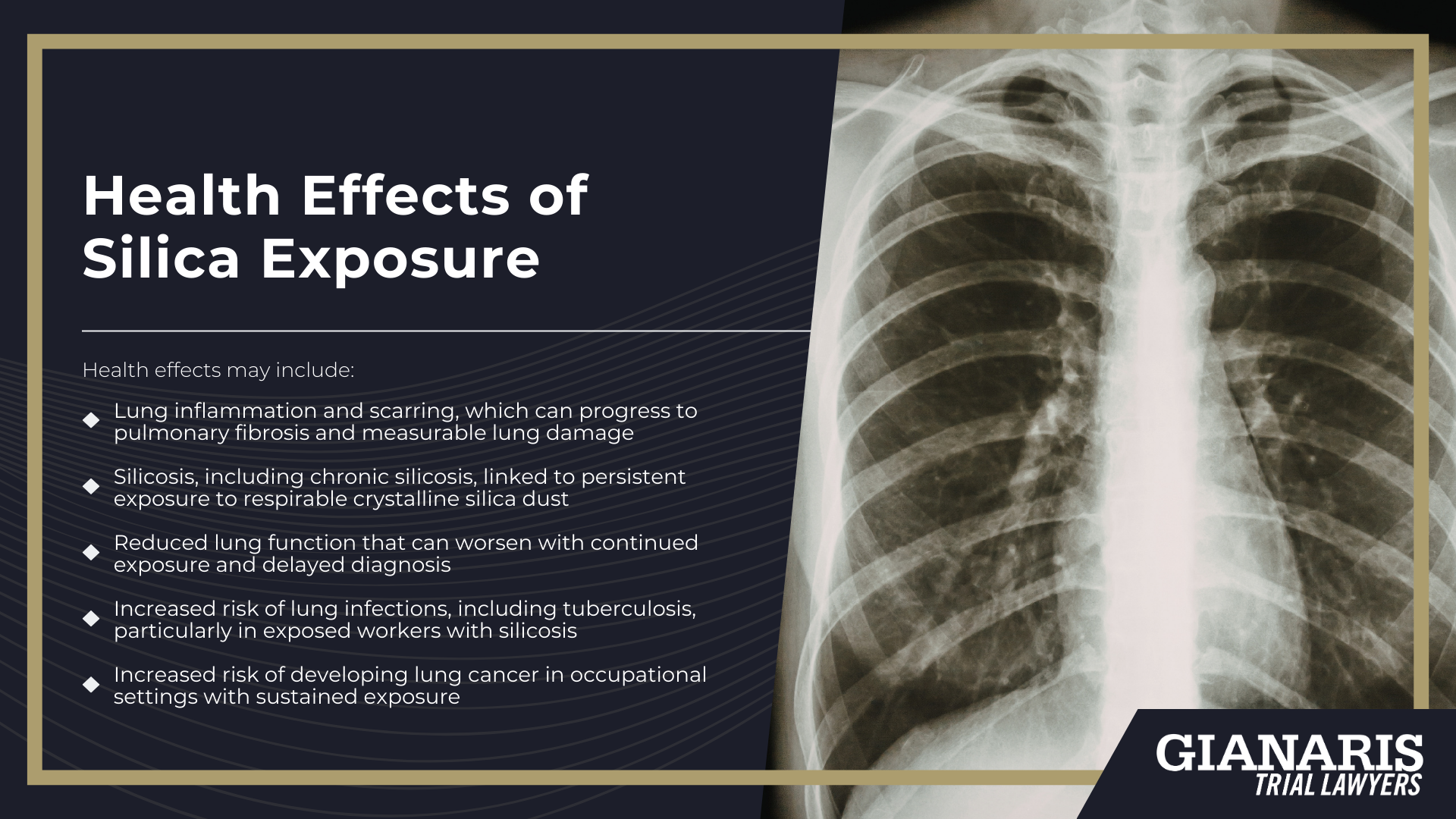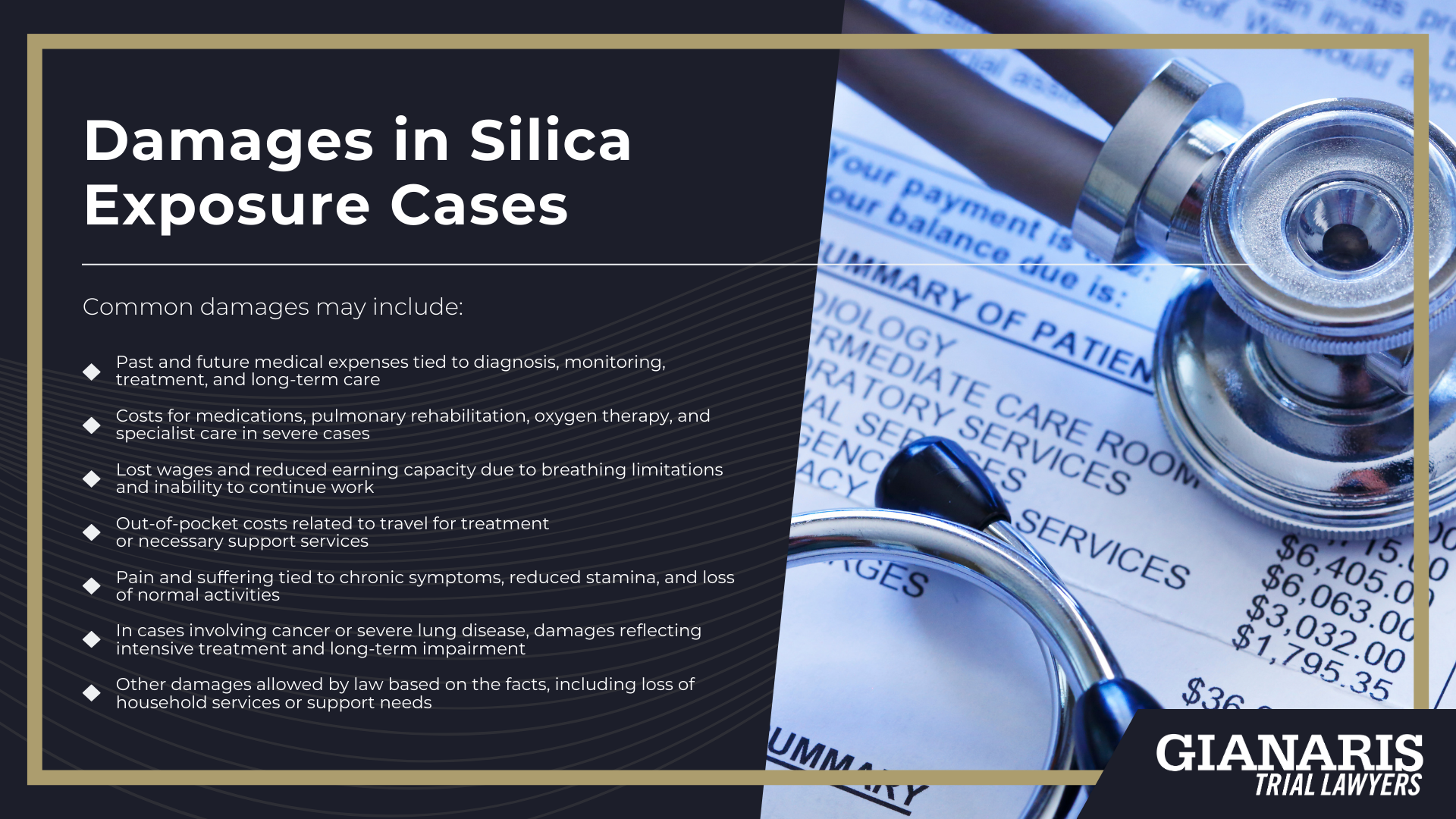

Silica dust is created when materials containing crystalline silica are cut, ground, drilled, or otherwise disturbed.
The most dangerous fraction is respirable crystalline silica, meaning respirable crystalline silica dust made up of tiny crystalline silica particles that can be inhaled deep into the lungs.
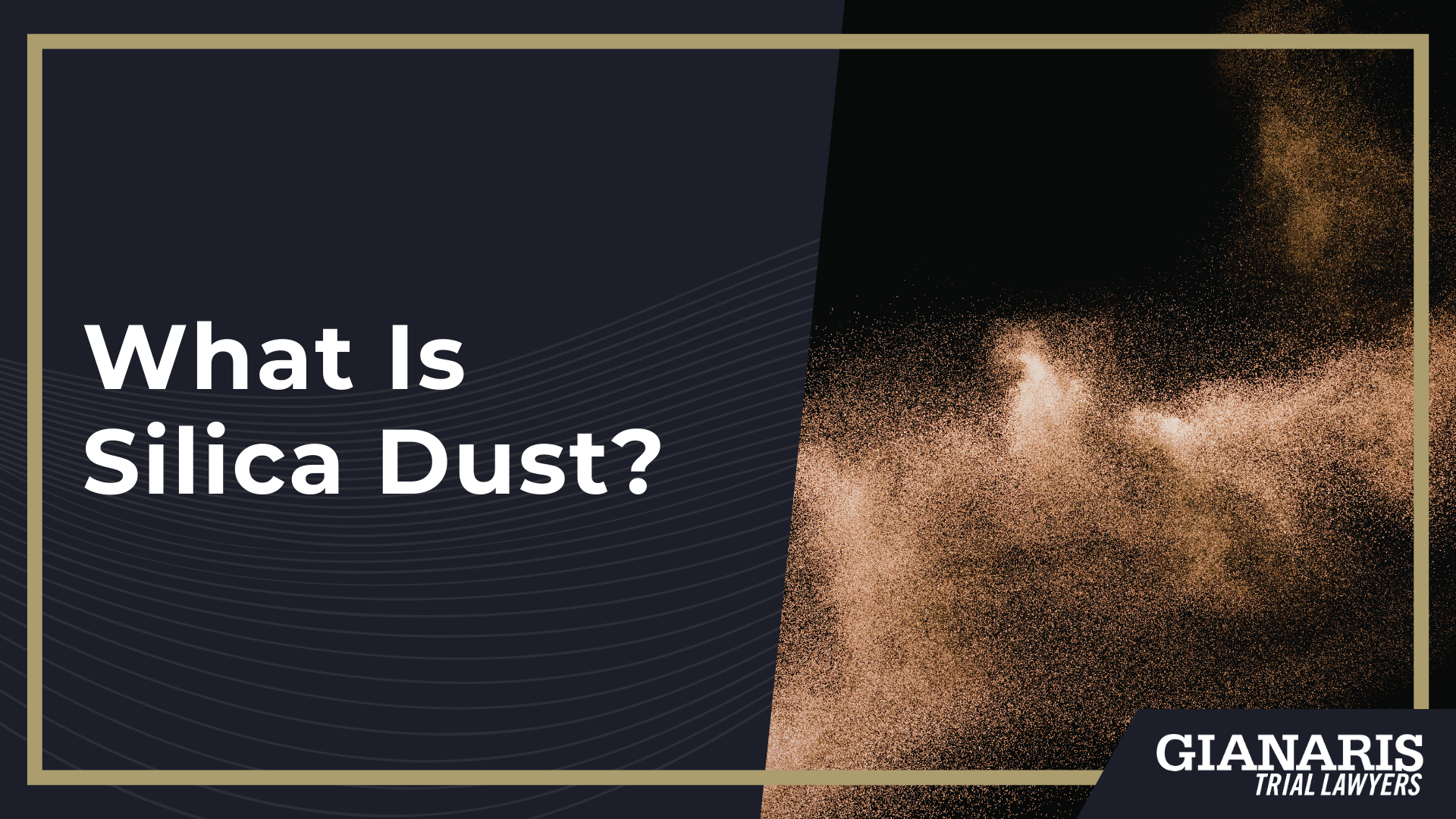
Once airborne, airborne silica dust can be present even when it is not visible, which makes silica exposure a serious workplace health hazard in many industries.
Repeated crystalline silica exposure is associated with adverse health effects that can reduce lung function and contribute to chronic lung disease.
How Does Silica Dust Exposure Occur?
Exposure to silica typically happens during tasks that generate respirable silica dust from silica-containing materials, including concrete, masonry, stone, sand, and certain manufactured products.
Exposure to respirable crystalline silica occurs in high-risk settings such as construction, sandblasting, mining, and engineered stone fabrication.
In these settings, cutting, grinding, drilling, polishing, demolition, and cleanup can release airborne silica dust into the breathing zone, increasing the likelihood of occupational exposure.
The health effects of silica exposure depend on how much dust is generated, how long the work continues, and whether controls are used consistently.
Dry cutting and poor ventilation can elevate airborne levels quickly, and nearby workers may also be exposed when dust migrates through shared work areas.
Over time, repeated silica exposure can create a significant risk of lung scarring and other health effects, particularly when protective measures are not used or are not effective.
Who Is Most At Risk For Silica Exposure?
Workers in jobs that repeatedly generate respirable crystalline silica dust face the greatest risk because exposure can occur daily and at high concentrations.
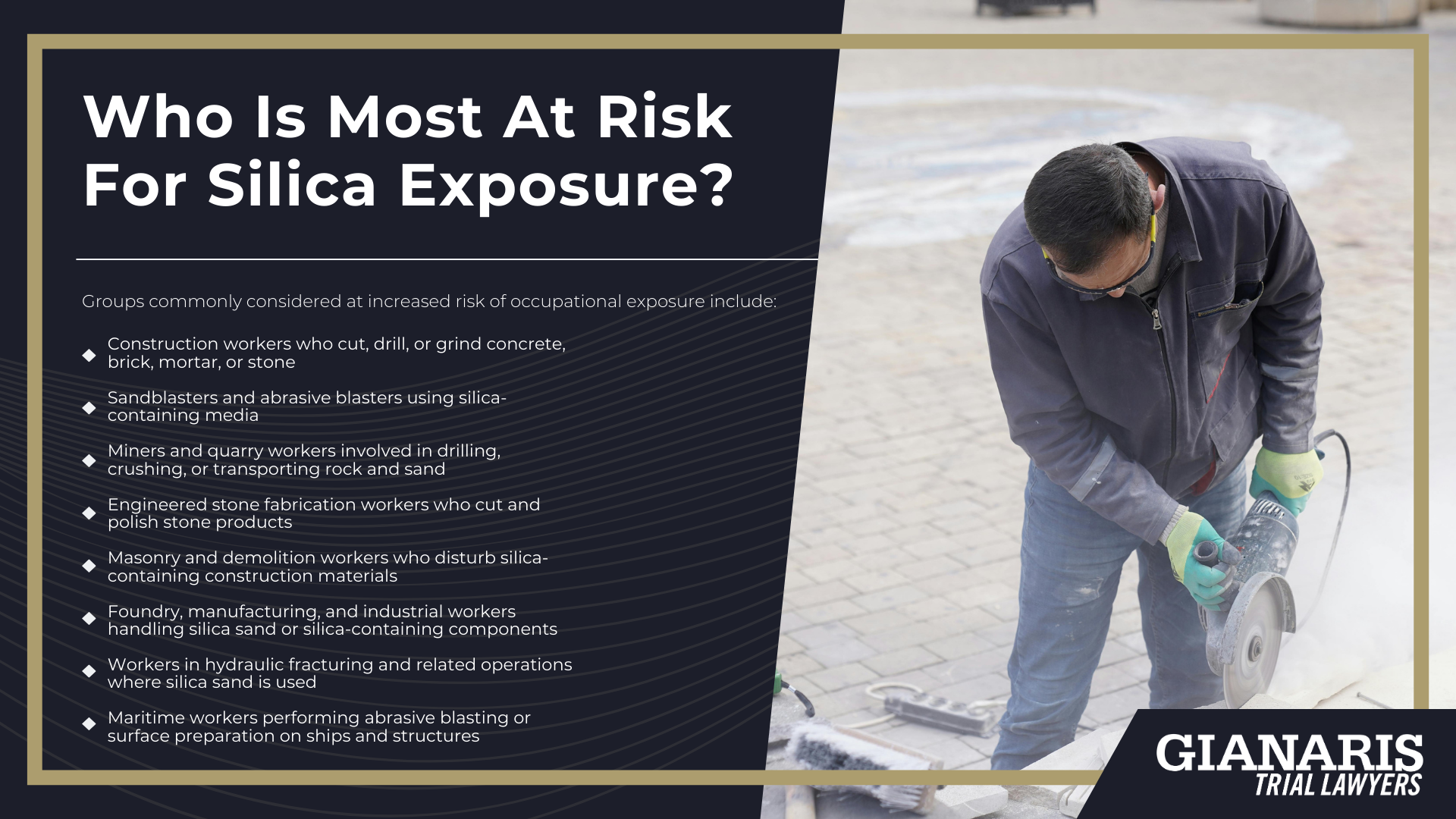
Groups commonly considered at increased risk of occupational exposure include:
- Construction workers who cut, drill, or grind concrete, brick, mortar, or stone
- Sandblasters and abrasive blasters using silica-containing media
- Miners and quarry workers involved in drilling, crushing, or transporting rock and sand
- Engineered stone fabrication workers who cut and polish stone products
- Masonry and demolition workers who disturb silica-containing construction materials
- Foundry, manufacturing, and industrial workers handling silica sand or silica-containing components
- Workers in hydraulic fracturing and related operations where silica sand is used
- Maritime workers performing abrasive blasting or surface preparation on ships and structures
Workplace Safety Regulations for Silica
Workplace rules are designed to reduce exposure and prevent the health effects of silica exposure, including long-term lung damage.
In the United States, the Occupational Safety and Health Administration, a federal health administration agency for workplace standards, sets requirements intended to reduce the significant risk posed by respirable crystalline silica.
OSHA released a final rule in 2016 that tightened restrictions on how much silica workers can be exposed to on the job, and employers must follow those regulatory standards to manage silica exposure effectively.
Nearly two million U.S. workers are estimated to be at risk each year, including people in construction, maritime, manufacturing, and hydraulic fracturing.
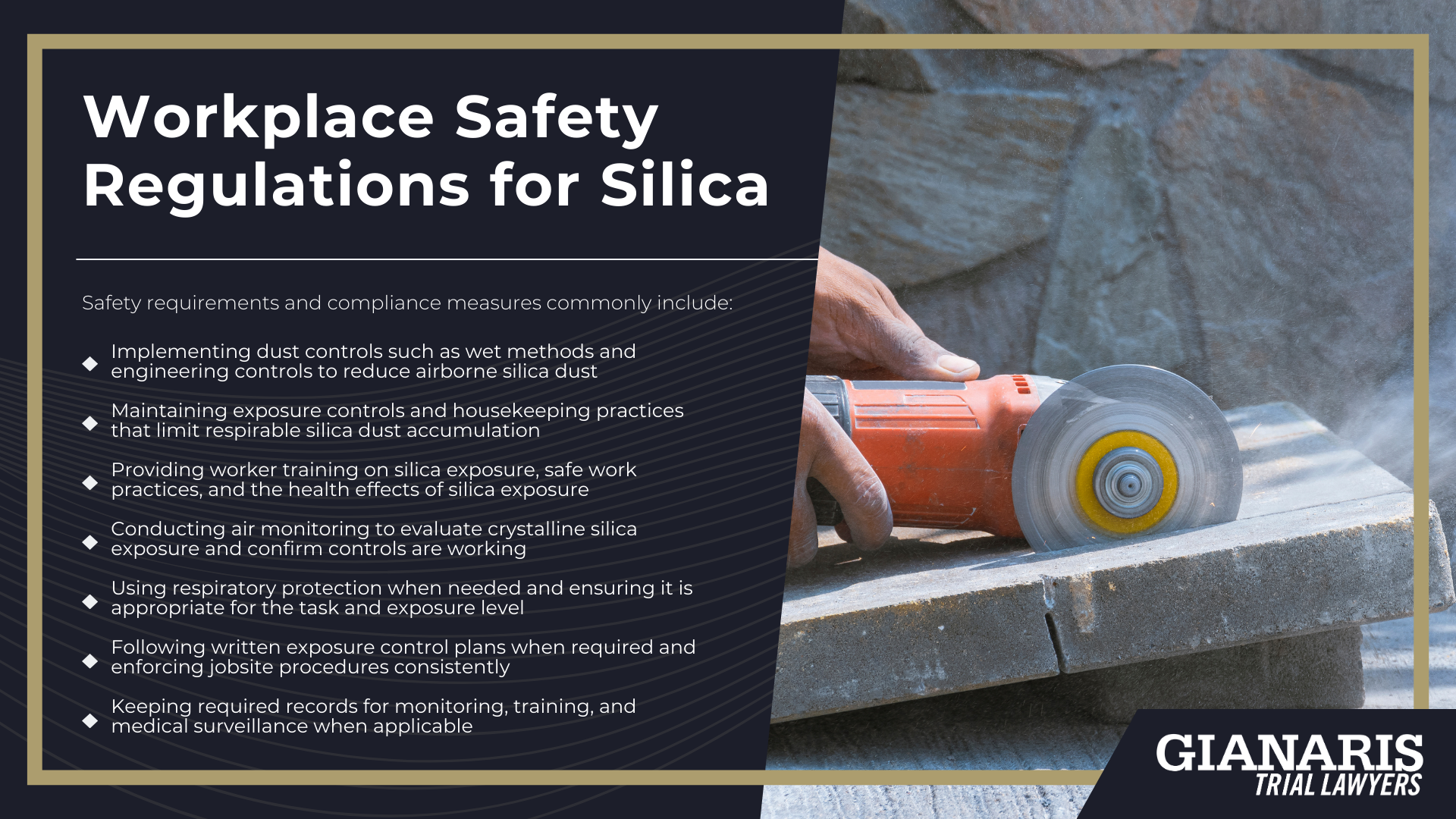
Safety requirements and compliance measures commonly include:
- Implementing dust controls such as wet methods and engineering controls to reduce airborne silica dust
- Maintaining exposure controls and housekeeping practices that limit respirable silica dust accumulation
- Providing worker training on silica exposure, safe work practices, and the health effects of silica exposure
- Conducting air monitoring to evaluate crystalline silica exposure and confirm controls are working
- Using respiratory protection when needed and ensuring it is appropriate for the task and exposure level
- Following written exposure control plans when required and enforcing jobsite procedures consistently
- Keeping required records for monitoring, training, and medical surveillance when applicable
What To Do If You Are Exposed To Silica Dust
If you think you have had silica exposure at work, take steps to reduce further exposure and document what happened.
Write down job sites, dates, tasks, and materials involved, along with whether wet methods, ventilation, or respiratory protection were used.
Seek medical evaluation if you have symptoms or a history of repeated exposure, and ask whether testing to assess lung function is appropriate, since early disease may not be obvious.
Because silica exposure is linked to adverse health effects, keep copies of medical records and any work-related documents that may show exposure conditions, training, or monitoring.
Over time, crystalline silica exposure can increase the risk of conditions such as silicosis, pulmonary fibrosis, chronic obstructive pulmonary disease, and lung infections, and it has been associated with lung cancer and developing lung cancer in occupational settings.
Some research also describes associations with kidney disease, depending on exposure history and other factors.
If you are concerned about the health effects of silica exposure, acting early can help with both medical management and preserving accurate exposure information.