No fees unless we win.
Get a free consultation
128 Reviews
5.0
★★★★★

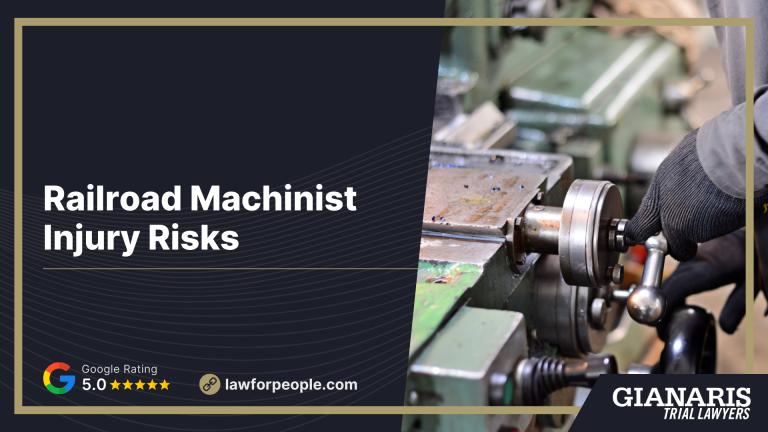
Railroad Machinist Injury Risks

Railroad Machinists Are At Risk For Injuries

A Railroad Machinist Injury claim can help injured workers seek justice after suffering serious harm linked to hazardous shop machining, equipment overhaul, and locomotive repair conditions.

Railroad machinists face heightened risks of caught-in/entanglement with rotating equipment, crushed-hand and pinch-point injuries, flying metal chips and eye trauma, lacerations from cutting tools, burns from hot work, and struck-by incidents involving overhead cranes and heavy components.

Additional dangers include electrical shock during troubleshooting, hydraulic and high-pressure line failures, hazardous noise leading to hearing loss, repetitive-strain and vibration injuries, and toxic exposures to metalworking-fluid mists, degreasers/solvents, welding fumes, and silica from grinding, many of which are preventable with proper controls.

Gianaris Trial Lawyers investigates these cases and represents railroad machinists and families in pursuing compensation from railroad companies that failed to provide a safe, compliant workplace.

Railroad Machinist Injury Risks

Lawyers for Injured Railroad Machinists

Railroad Machinists perform highly technical, physically demanding work that is essential to keeping locomotives and rail equipment operating safely.

Their responsibilities place them in close contact with heavy machinery, moving mechanical components, and hazardous substances, creating significant injury and exposure risks.

Crush injuries, burns, repetitive motion disorders, and long-term illnesses tied to diesel exhaust and industrial chemicals are common concerns in this profession.

On this page, we examine the risks railroad machinists face and how those dangers develop over time.

We represent injured railroad machinists under the Federal Employers’ Liability Act (FELA), helping them pursue accountability and compensation when employer negligence contributes to harm.

If you or a loved one has suffered harm working as a machinist, count on us to provide guidance.

Contact us today.

Let’s discuss your case and determine the best course of action.

You can also use the chatbot on this page to see if you qualify immediately.

Role of Railroad Machinists and Possible Dangers They’re Exposed To

Railroad machinists are responsible for inspecting, repairing, overhauling, and rebuilding the mechanical systems that keep locomotives and rail equipment operational.

Their work includes servicing engines, transmissions, braking components, compressors, and auxiliary systems.

These railroad workers handle:

  • Diagnose mechanical failures
  • Disassemble large components
  • Machine replacement parts
  • Reassemble systems to precise tolerances
  • Maintain shop machinery used in repairs

This work is critical to railroad safety, as mechanical defects can lead to equipment failure, derailments, or serious worker injuries.

Railroad machinists typically work in locomotive repair shops, engine houses, and maintenance facilities where heavy equipment and industrial machinery are in constant use.

These workers utilize specialized and dangerous tools.

Tools include:

  • Lathes
  • Milling machines
  • Drill presses
  • Grinders
  • Hoists
  • Power tools
  • Diagnostic equipment

Many tasks also require handling large, heavy components such as engine blocks, wheel assemblies, and gear systems, often with the assistance of cranes or lifting devices.

These environments are loud, congested, and filled with moving parts, increasing the risk of accidents when safety procedures are not strictly followed.

Railroad machinists were trained through apprenticeships that emphasized hands-on mechanical skill and precision.

Industry authorities such as the Bureau of Labor Statistics and Federal Railroad Administration materials describe machinist work as highly specialized, requiring extensive training and mechanical knowledge.

While modern safety standards and equipment have improved working conditions, machinists continue to face hazards tied to aging locomotives, legacy materials, and demanding production schedules.

Without proper maintenance, ventilation, and safety oversight, the risks inherent in machinist work remain substantial.

Physical Injury and Chemical Exposure Faced by Railroad Machinists

Railroad machinists operate at the intersection of heavy mechanical work and long-term environmental exposure, making their role one of the most hazardous within the railroad industry.

Day after day, machinists are required to work around moving machinery, high temperatures, pressurized systems, and industrial chemicals that pose both immediate and cumulative health risks.

When safety protocols break down or hazardous conditions persist, injured railroad workers often suffer harm that extends well beyond a single accident or shift.

Unlike sudden traumatic incidents, many injuries develop gradually as a result of repeated strain, chronic exposure, or prolonged contact with toxic substances.

Injured workers may not immediately recognize the connection between their symptoms and workplace conditions, especially when illnesses emerge years after exposure.

Railroad employees frequently report respiratory problems, neurological symptoms, or musculoskeletal damage that worsens over time, making diagnosis and accountability more complex.

Understanding these risks is essential when evaluating potential claims and determining whether fair compensation is available under federal law.

Railroad employees are not covered by standard workers’ compensation systems, which places added importance on documenting unsafe conditions and employer negligence.

We’ll examine the two primary categories of harm faced by machinists, physical injuries and chemical exposure, highlighting how each arises from daily job duties and why these injuries are so prevalent among railroad employees.

By breaking down these risks, injured railroad workers and their families can better understand their legal options and the steps needed to protect their rights after serious injury or illness.

Physical Risks That Result in Injured Railroad Workers

Railroad machinists work in environments where heavy machinery, rotating equipment, and high-energy systems are part of everyday operations.

These conditions create a constant risk of physical injury, particularly when equipment malfunctions, safety procedures are rushed, or proper maintenance is overlooked by railroad employers.

A single railroad injury can permanently alter a machinist’s ability to work, while repeated exposure to unsafe conditions often results in cumulative damage that worsens over time.

Crush Injuries and Machinery Accidents

Machinists routinely handle large locomotive components such as traction motors, wheelsets, and engine assemblies.

These parts can weigh hundreds or even thousands of pounds.

Crush injuries occur when components shift unexpectedly, hoists fail, or safeguards are missing.

Hands, feet, and limbs are especially vulnerable, and these injuries often lead to fractures, amputations, or permanent loss of function.

An experienced railroad injury lawyer investigates whether defective equipment or improper procedures played a role.

Lacerations, Burns, and Impact Trauma

Working with cutting tools, grinders, welding equipment, and hot engine surfaces exposes machinists to severe lacerations and thermal burns.

Sparks, molten metal, and pressurized fluids can cause deep tissue damage in seconds.

Impact injuries may also occur when parts are ejected from machinery or when railroad workers are struck by unsecured tools.

A railroad injury lawyer may examine whether inadequate guarding, worn tools, or poor training contributed to the incident.

Repetitive Motion and Overexertion Injuries

Many machinists perform repetitive tasks such as torquing bolts, aligning components, or operating hand tools for extended periods.

Over time, this leads to chronic conditions, including tendonitis, carpal tunnel syndrome, joint degeneration, and other repetitive strain injuries.

Lifting and positioning heavy parts without proper mechanical assistance can also result in back injuries, herniated discs, and long-term mobility limitations.

These injuries are frequently underestimated but can be just as disabling as sudden trauma.

Malfunctioning Equipment and Unsafe Workspaces

Poorly maintained machines, cluttered shop floors, and inadequate lighting increase the likelihood of falls and traumatic injuries.

Slips from oil-coated surfaces or trips over hoses and cables can result in head injuries or spinal damage.

An experienced FELA lawyer evaluates whether employer negligence created unsafe working conditions and whether those failures justify pursuing maximum compensation under federal law.

Physical injuries often have lasting consequences that extend beyond medical treatment, affecting earning capacity and quality of life.

Consulting an experienced railroad injury lawyer helps injured machinists understand their rights and pursue appropriate legal remedies.

Physical Risks Faced by Railroad Machinists include:

  • Crush injuries from heavy locomotive components and hoisting failures
  • Severe lacerations from cutting tools and rotating machinery
  • Burns from welding equipment, hot surfaces, and pressurized fluids
  • Repetitive motion disorders affecting hands, wrists, and shoulders
  • Back and spinal injuries from lifting and overexertion
  • Traumatic injuries caused by malfunctioning or poorly maintained equipment

Chemical Exposure Risks Faced by Railroad Machinists

Railroad machinists face significant chemical hazards as part of their daily work, making long-term health risks just as critical as immediate physical injuries.

While a sudden injury from machinery is often visible, chemical exposures on railroad workers may develop gradually, causing serious illnesses over months or even years.

In many railroad injury cases, hazardous substances such as diesel exhaust, metalworking fluids, solvents, welding fumes, lubricants, degreasers, and asbestos play a critical role in the worker’s illness.

Understanding these exposures is essential to identifying liability and pursuing compensation under the Federal Employers’ Liability Act (FELA).

Diesel Exhaust and Metalworking Fluids

Diesel exhaust, common in repair shops and engine rooms, contains fine particulate matter and toxic gases that can lead to chronic respiratory diseases, cardiovascular issues, and lung cancer.

Machinists also work with metalworking fluids used for cutting, grinding, and machining components.

These fluids often contain petroleum distillates, biocides, and other chemicals that may cause skin irritation, lung inflammation, and chronic respiratory disease.

When an on-the-job injury results from inhalation or prolonged contact, documenting whether the railroad’s negligence played a role in inadequate ventilation or lack of protective equipment is crucial to building a strong claim.

Solvents, Lubricants, and Degreasers

Industrial solvents, degreasers, and lubricants are routinely used to clean and maintain locomotive parts.

Exposure through inhalation or skin contact can lead to neurological disorders, liver and kidney damage, and chemical burns.

Failing to provide proper PPE or enforce safe handling procedures demonstrates the employer’s negligence and forms a key component of FELA claims.

Asbestos and Welding Fumes

Older locomotives often contain asbestos insulation on boilers, piping, and wiring.

Inhalation of asbestos fibers can cause mesothelioma, asbestosis, and other lung diseases.

Welding and cutting operations produce fumes containing manganese, chromium, and other metals, which have been linked to neurological damage and occupational cancer.

Cumulative Effects and Long-Term Health

Unlike immediate injuries, chemical exposures accumulate over time.

Symptoms may be delayed, making it difficult for workers and doctors to connect illness to railroad work.

Proper documentation of exposure history, shop safety protocols, and maintenance records is essential.

An injured railroader can work with an experienced FELA lawyer to establish causation and pursue maximum compensation for medical costs, lost income, and long-term health impacts.

Chemical Injuries faced by Railroad Machinists include:

  • Chronic respiratory conditions, including COPD, asthma, and bronchitis
  • Occupational cancers such as mesothelioma, lung cancer, and other organ cancers
  • Neurological disorders from solvents, manganese, and heavy metals
  • Liver, kidney, and organ damage from chemical exposure
  • Skin conditions and chemical burns from solvents, lubricants, and degreasers
  • Long-term cumulative effects from asbestos and welding fumes

How the Federal Employers' Liability Act Covers Injuries for Railroad Machinists

The Federal Employers’ Liability Act (FELA) provides railroad machinists with a legal pathway to recover compensation when injuries or illnesses result from unsafe working conditions.

This law was passed by the U.S. Congress to provide injured railroad workers a means for recovering compensation for work-related injuries or death.

Unlike workers’ compensation systems, FELA is a fault-based law, meaning injured machinists must show that the railroad’s negligence contributed, even in part, to the harm suffered.

This standard is especially important in cases involving heavy machinery, toxic exposures, or poorly maintained shop environments.

Railroad machinists may rely on FELA when injuries stem from inadequate equipment maintenance, insufficient ventilation, failure to provide proper safety gear, or exposure to known hazardous substances.

Federal safety laws can further support these claims.

Violations of the Locomotive Inspection Act, which requires locomotives and their components to be in safe operating condition, may establish negligence automatically when defects contribute to injury.

Under FELA, machinists may pursue damages beyond medical bills, including lost wages, reduced earning capacity, and compensation for pain and suffering.

These recoveries are not offset by benefits from the railroad retirement board, allowing injured workers to seek full financial accountability from negligent railroads.

Because railroads aggressively defend these claims, securing designated legal counsel with experience in FELA litigation is critical.

We focus on identifying safety violations, preserving technical evidence, and connecting hazardous working conditions to a machinist’s injuries.

By building claims grounded in federal law, industry standards, and documented negligence, we help railroad machinists pursue the compensation FELA was designed to provide.

Types of Evidence Needed in FELA Claims

Successful FELA claims depend on clear, well-documented evidence showing how a railroad company failed to provide a reasonably safe workplace.

Because FELA lawsuits require proof of negligence, identifying and preserving the right records early can significantly affect the outcome.

Experienced FELA attorneys know how to gather, analyze, and present this evidence to support liability and damages.

A knowledgeable FELA lawyer will focus on:

  • Medical records: Documentation of diagnoses, treatment plans, imaging studies, and physician opinions linking injuries or illnesses to railroad work conditions.
  • Maintenance and inspection logs: Records showing equipment defects, delayed repairs, or recurring mechanical issues that created unsafe shop or locomotive conditions.
  • Safety policies and training materials: Company manuals and training records demonstrating whether safety procedures were adequate, enforced, or routinely ignored.
  • Chemical safety data and exposure records: Material Safety Data Sheets (SDS), ventilation reports, and industrial hygiene data showing exposure to hazardous substances.
  • Incident and accident reports: Internal reports filed after injuries or near-misses, which may reveal prior knowledge of dangerous conditions.
  • Witness statements: Testimony from coworkers, supervisors, or safety personnel confirming exposure levels, unsafe practices, or lack of protective equipment.
  • Expert analysis: Opinions from medical experts, engineers, or industrial hygienists connecting specific hazards to the machinist’s injuries.
  • Employment and job duty records: Documentation detailing job assignments, work locations, and duration of exposure relevant to the claim.

Thoroughly developed evidence strengthens FELA claims by clearly demonstrating negligence, causation, and the full scope of harm suffered.

Damages That May Be Covered Under FELA

Railroad machinists injured on the job may be entitled to significant compensation under FELA when negligence contributes to harm.

Unlike workers’ comp, which limits recovery regardless of fault, FELA allows injured railroad employees to seek damages that reflect the full impact of an injury or illness.

This is especially important in cases involving catastrophic injury or long-term conditions that permanently affect a worker’s ability to earn a living.

FELA damages are designed to address both immediate losses and long-term consequences.

Injuries may include traumatic mechanical harm or an occupational disease caused by prolonged exposure to toxic substances.

Because these conditions often require ongoing treatment and rehabilitation, a comprehensive claim accounts for future needs as well as past losses.

Working with a knowledgeable law firm ensures these damages are properly calculated and supported by evidence.

Common categories of damages that may be recovered under FELA include:

  • Medical expenses, including hospital care, surgeries, rehabilitation, medications, and future treatment needs
  • Lost wages for time missed from work during recovery
  • Loss of future earning capacity when injuries prevent a return to prior duties
  • Pain and suffering related to physical injury and chronic illness
  • Mental and emotional distress associated with long-term disability
  • Costs of vocational retraining when necessary to pursue alternative employment

By pursuing full compensation under FELA, injured workers can seek financial stability and accountability that goes beyond the limits of workers’ compensation systems.

Gianaris Law Firm: Possible Injuries for Railroad Machinists and How To Secure Compensation

Railroad machinists face daily exposure to heavy machinery, hazardous chemicals, and demanding physical tasks.

When injuries or illnesses occur, the circumstances surrounding the work environment, such as equipment condition, ventilation, and safety enforcement, often determine whether a valid FELA claim exists.

These cases can have lasting consequences not only for the worker but also for any family member who depends on their income or assists with long-term care.

Navigating the FELA legal process requires careful investigation, medical documentation, and technical understanding of railroad operations.

Working with an experienced legal team helps injured machinists pursue accountability and protect their long-term financial security when their ability to work has been compromised.

Railroad machinist injuries demand focused legal representation grounded in federal railroad law.

At Gianaris Trial Lawyers, we represent injured railroad workers nationwide in FELA claims involving mechanical injuries, toxic exposure, and occupational illness.

Our team understands railroad operations and how to hold railroads accountable for unsafe conditions.

Contact us today to schedule a free, confidential consultation and discuss your legal options.

Frequently Asked Questions

  • What Does a Railroad Machinist Do?

    Railroad machinists diagnose, repair, rebuild, and maintain locomotives, engines, and rolling-stock components in shops and rail facilities.

    Their work spans precision machining (manual/CNC), welding and fabrication, and overhauls of braking, fuel, hydraulic, and pneumatic systems.

    They also perform preventive maintenance, keep FRA-compliant records, and test repaired equipment to ensure safe, reliable operation.

  • What Injuries Are Common Among Machinists?

    Machinists face crush and pinch-point injuries from jacks, presses, and rotating equipment, along with lacerations from cutting tools and hot-work burns.

    Repetitive-strain disorders (shoulder, elbow, wrist) and vibration-related problems are common due to heavy tools and awkward postures.

    Many also experience hearing loss, respiratory irritation, or dermatitis tied to noise, metalworking fluids, solvents, and welding/abrasive-grinding fumes.

  • How Does the Federal Employers’ Liability Act (FELA) Apply to Machinists?

    Under FELA, a machinist can recover compensation if railroad negligence played any part in causing an injury or occupational illness.

    Negligence can include unsafe procedures, defective tools, inadequate training or staffing, poor ventilation, or failure to provide/maintain PPE.

    Recoverable damages may include medical costs, lost wages and earning capacity, pain and suffering, and, in some cases, loss of life’s enjoyment.

  • Are Cancers Linked to Railroad Work?

    Yes.

    Long-term exposure to diesel exhaust, asbestos, certain solvents/degreasers, and welding/metal fumes has been associated with cancers such as lung cancer, mesothelioma, and other respiratory or hematologic diseases.

    Risk depends on duration, intensity, and controls (ventilation, substitution, PPE), so documenting exposures and medical history is critical for any potential claim.

  • How Long Do I Have to File a FELA Claim?

    You have three years to file a FELA claim, but the clock typically starts when you knew or reasonably should have known that the injury or disease was related to your railroad work.

    This “discovery rule” matters for latent conditions like hearing loss or cancer that appear over time.

    Because deadlines are strict, report the injury, seek medical evaluation, and speak with a FELA attorney as soon as possible.

Published by:
Share
Picture of Ted Gianaris
Ted Gianaris

With nearly 30 years of legal experience, Attorney Ted Gianaris has secured over $350 million in compensation for Illinois injury victims, car accident victims, and surviving family members of wrongful death victims.

This article has been written and reviewed for legal accuracy and clarity by the team of writers and attorneys at Gianaris Trial Lawyers and is as accurate as possible. This content should not be taken as legal advice from an attorney. If you would like to learn more about our owner and experienced Illinois injury lawyer, Ted Gianaris, you can do so here.

Gianaris Trial Lawyers does everything possible to make sure the information in this article is up to date and accurate. If you need specific legal advice about your case, contact us. This article should not be taken as advice from an attorney.

Other Employees at Risk Resources
All
FAQs
Injuries & Conditions
Legal Help
Occupations
Settlements & Compensation
You can learn more about Employees at Risk below:
Railroad Brakeman Injury Risks
Railroad Carman Injury Risks
Railroad Conductor Injury Risks
Railroad Electrician Injury Risks
Railroad Employees at Risk of Injury & Chemical Exposure
Railroad Equipment Operator Injury Risks
Railroad Locomotive Engineer Injury Risks
Railroad Pipefitter Injury Risks
Railroad Shopman Injury Risks
Railroad Signal Maintainer Injury Risks
Railroad Track Engineer Injury Risks
Railroad Trackman Injury Risks
Railroad Welder Injury Risks

Other Employees at Risk Resources

All
FAQs
Injuries & Conditions
Legal Help
Occupations
Settlements & Compensation