No fees unless we win.
Get a free consultation
128 Reviews
5.0
★★★★★

Common Types of Chemical Exposure in the Workplace

Overview of the Types of Chemical Exposure in the Workplace

Workplace Chemical Exposure claims are brought by employees who were harmed after inhaling, absorbing, or coming into direct contact with hazardous substances on the job.

These exposures can lead to serious, life-altering health problems, including occupational cancers, neurological injuries, respiratory disease, and reproductive harm, especially when safety controls, warnings, or protective equipment are missing or inadequate.

Gianaris Trial Lawyers represents workers nationwide in complex chemical exposure cases, building trial-focused claims to hold employers, manufacturers, and other responsible parties accountable.

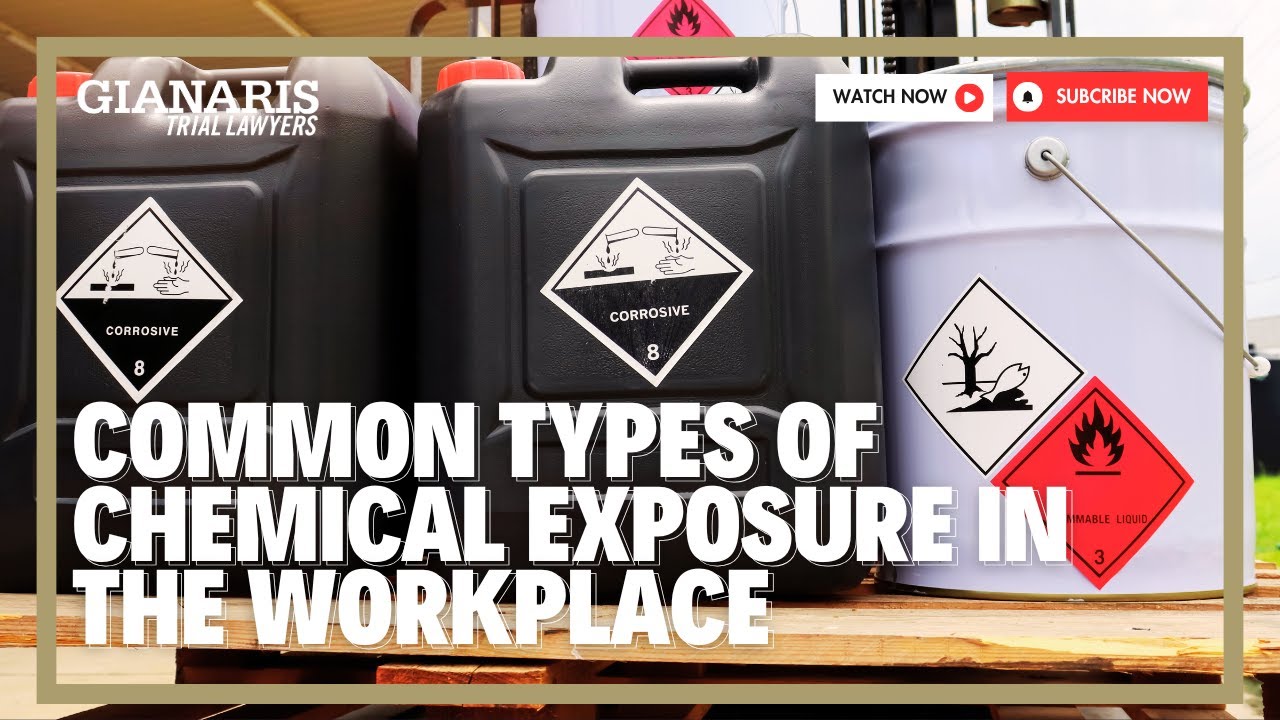
Common Types of Chemical Exposure in the Workplace Who is at Risk & What to Do YouTube Thumbnail

Our Lawyers Help With Different Types of Chemical Exposure in the Workplace

Chemical exposure in the workplace can happen in an instant or build quietly over months and years, and the consequences are rarely minor.

Chemical exposure at work often starts with everyday tasks, such as mixing cleaning agents, handling solvents, cutting treated materials, or working near fumes, where workers don’t realize how quickly exposure can add up.

Workplace chemical exposure may involve inhalation, skin contact, or accidental ingestion, especially when ventilation is poor or protective gear is missing.

Our lawyers investigate what happened and why, starting with the chemicals involved, the worksite conditions, and the safety steps that should have been in place.

We look closely at chemical risks in the workplace such as inadequate ventilation, missing Safety Data Sheets, poor storage, and a lack of proper PPE, because those details often reveal preventable failures.

If you believe you’ve been harmed by workplace chemical exposure, contact Gianaris Trial Lawyers to discuss your options and learn what it takes to pursue compensation.

You can also use the chatbot on this page to see if you qualify today.

Common Types of Chemical Exposure in the Workplace

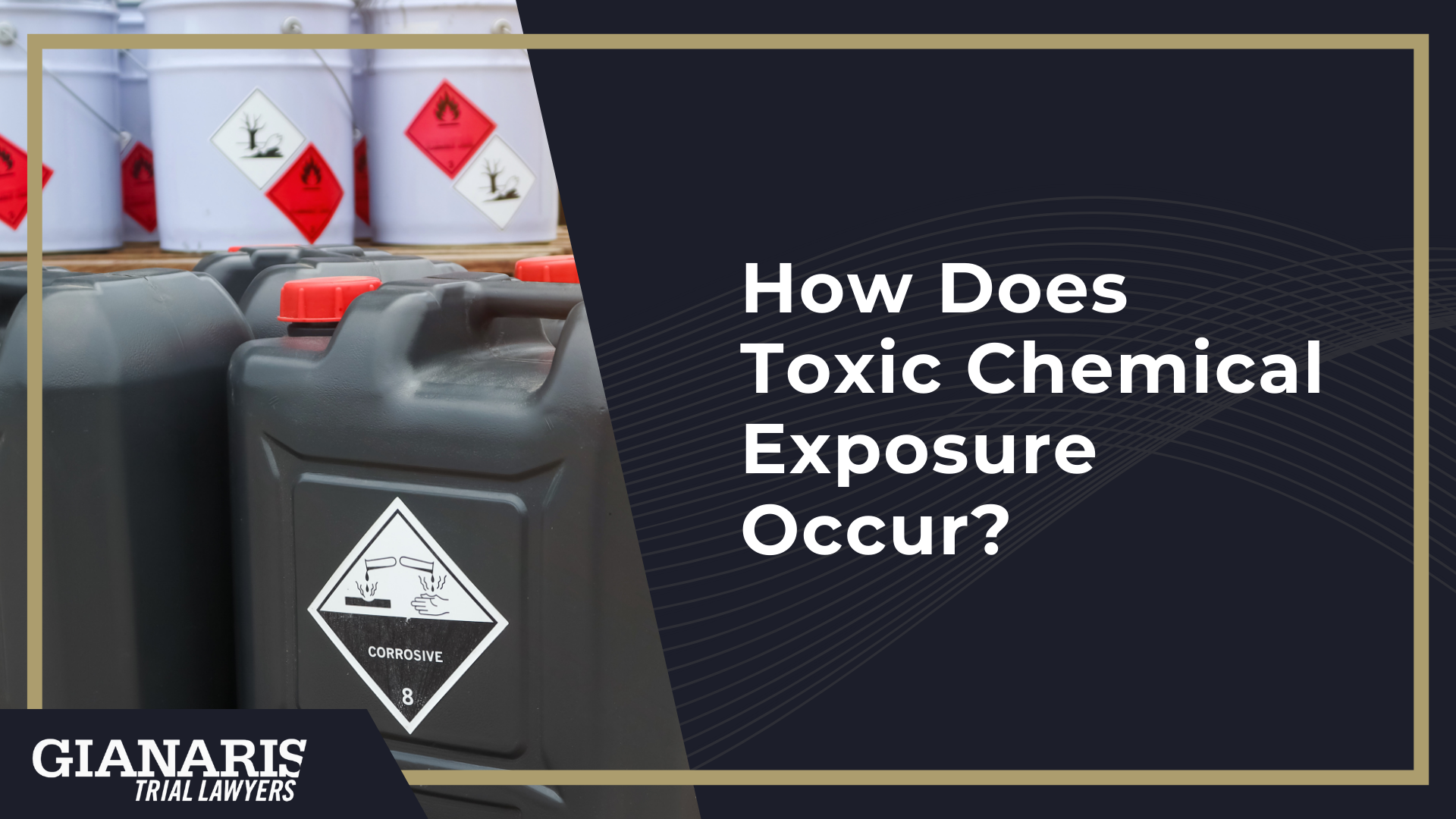
How Does Toxic Chemical Exposure Occur?

Toxic chemical exposure can occur when workers breathe in vapors, dust, or aerosols, or when toxic chemicals enter the body through skin contact.

In many settings, workplace chemicals are used daily (solvents, cleaners, fuels, adhesives, pesticides, and industrial agents), yet the risk is often underestimated until symptoms appear.

A single chemical incident like a spill, leak, or uncontrolled reaction can cause immediate injury, but chronic chemical exposure can be just as dangerous when it happens in small doses over time.

Exposure is more likely when ventilation is poor, processes generate airborne particles, or containers are mislabeled or improperly stored.

Chemical exposure in the workplace also happens when employees lack training, are rushed, or don’t receive the right protective equipment.

Even “routine” tasks can become high-risk when hazardous substances are heated, sprayed, or mixed, because that changes how easily they can be inhaled or absorbed.

Beyond chemical hazards, many jobs combine exposure with physical hazards like heat, confined spaces, or high-pressure systems, which can magnify the danger and make accidents more severe.

What To Do If You Suspect Toxic Chemical Exposure

If you suspect chemical exposure in the workplace, take symptoms seriously and act quickly, even if the exposure seemed small.

First, move to fresh air if it’s safe to do so, and wash exposed skin thoroughly if you had skin contact with harmful chemicals.

Report the event to a supervisor and request a written incident report.

Details matter, including the chemical name, where it occurred, and how long you were exposed.

Ask for the Safety Data Sheets (SDS) for any occupational chemicals involved, because SDS documents explain hazards, first aid, and proper handling.

Seek medical evaluation as soon as possible, and tell the provider exactly what you were exposed to; occupational health professionals can help document symptoms and connect them to workplace conditions.

If there’s a suspected spill or airborne hazard, request that the area be evaluated for compliance with exposure limits, including applicable occupational exposure limits and permissible exposure limits.

Keep copies of medical records, job assignments, and any safety complaints or emails, because delayed illnesses often require proof of ongoing exposure.

If your employer dismisses the issue or you’re worried about retaliation, a lawyer can help you protect your rights while the facts are still available.

Types Of Chemical Exposure in the Workplace

Chemical exposure in the workplace typically falls into a few common categories.

Categories include:

  • Inhalation exposure
  • Dermal exposure
  • Ingestion exposure
  • Eye exposure

Some exposures involve toxic substances like benzene, formaldehyde, silica, isocyanates, or heavy metals, while others involve corrosives that burn tissue on contact.

The scope is enormous.

There are tens of thousands of workplace chemicals in commerce, and not all hazards are obvious from smell or immediate irritation.

That’s why strong chemical safety practices matter in every industry, not just heavy manufacturing.

Inhalation Exposure

Inhalation exposure occurs when a worker breathes in fumes, vapors, gases, or dust released by chemicals during routine tasks.

This is common in work involving spraying, mixing, sanding, welding, cutting, degreasing, or using products in areas with poor ventilation.

Airborne exposure can happen even when the chemical is not visibly “in the air,” because vapors can accumulate in enclosed spaces or linger near the source.

Over time, repeated inhalation can irritate the lungs and airways, worsen asthma, and contribute to chronic respiratory disease or occupational cancers depending on the substance and duration.

Dermal Exposure

Dermal exposure happens when chemicals contact the skin and are absorbed, or when they cause direct tissue damage such as burns, blistering, or rashes.

This often occurs from splashes, leaking containers, contaminated gloves, or handling wet materials without adequate protection.

Workers may also be exposed when chemicals soak into clothing or remain on tools, work surfaces, or PPE that is reused without proper cleaning.

Because skin exposure can be gradual and less obvious than a spill, it is frequently overlooked until irritation, burns, or longer-term symptoms develop.

Ingestion Exposure

Ingestion exposure occurs when chemicals enter the body through the mouth, usually through contaminated hands, food, beverages, or surfaces in break areas.

This can happen when workers eat or drink without washing thoroughly, when break rooms are too close to chemical work areas, or when toxic residues are carried on gloves, tools, or clothing.

Ingestion can also occur unintentionally when workers touch their face, use contaminated bottles, or store food near chemicals.

Even small, repeated exposures can become serious over time, especially with toxic substances that accumulate in the body.

Eye Exposure

Eye exposure can happen quickly and with little warning, especially when chemicals are handled, transferred, or used in ways that create airborne particles.

Splashes are common during mixing, pouring, cleaning, or equipment maintenance, and even a small amount of a caustic or corrosive product can cause intense pain and tissue damage.

Vapors can also irritate the eyes, particularly in poorly ventilated areas, because certain chemicals evaporate and travel easily through the air.

Dusts from cutting, grinding, sanding, or disturbing contaminated materials can settle in the eyes and trigger burning, tearing, redness, or more serious injury depending on the substance.

Aerosols from spraying disinfectants, solvents, pesticides, or industrial coatings are another frequent source of eye exposure because fine droplets can bypass normal blinking and contact the eye surface directly.

When eye exposure occurs, prompt flushing and medical evaluation matter, and the circumstances often point to preventable failures such as missing eye protection, inadequate training, or a lack of basic safety controls.

How Does Chemical Exposure Occur in the Workplace?

Chemical exposure occurs at work when controls fail or when safety systems never existed in the first place.

Common triggers include:

  • Inadequate ventilation
  • Broken fume hoods
  • Lack of respirators
  • Improper storage that leads to leaks or off-gassing

Exposure also rises when employers skip training, ignore posted procedures, or fail to provide up-to-date Safety Data Sheets for hazardous substances.

Another frequent problem is “substitution without notice,” where a product formula changes or a stronger agent is introduced without updating labels, PPE requirements, or training.

Workers may also face combined risks when chemical hazards occur alongside physical hazards: heat can increase vapor release, and confined spaces can concentrate toxic chemicals at dangerous levels.

Employers are expected to follow occupational safety and health requirements, including hazard communication and safe-handling rules, and to monitor exposures where needed.

Standards are often tied to occupational exposure limits and permissible exposure limits, which are designed to reduce risk, but compliance depends on enforcement, monitoring, and honest reporting.

When those steps are ignored, workplace chemical exposure becomes predictable and preventable.

Task-Based Exposure

Chemical exposure in the workplace often comes down to what a worker is actually doing during the shift, because certain tasks create higher, more direct exposure pathways.

Jobs that involve mixing chemicals can release splashes and fumes, especially when incompatible products are combined or measuring is rushed.

Spraying is a high-risk task because it creates fine airborne droplets that are easy to inhale and can settle on skin, clothing, and nearby surfaces.

Welding or heating materials can generate fumes and gases, including hazardous byproducts from coatings, solvents, or treated metals, and those exposures can worsen in poorly ventilated areas.

Cleaning and degreasing work frequently involves strong solvents and caustics that can irritate the lungs, burn skin, or cause symptoms even at lower levels when used repeatedly.

Cutting or grinding can release dust from treated materials, composites, or contaminated surfaces, turning a “dry” task into a significant inhalation hazard.

Confined-space work increases risk because vapors and dust can concentrate quickly, and workers may not realize exposure is building until symptoms hit.

These task-based risks matter because they often reveal exactly how exposure happened, what controls should have been in place, and whether the employer failed to protect workers.

Acute vs. Chronic Exposure

Not all chemical exposure is the same, and understanding the difference between acute and chronic exposure helps explain why some workers get sick suddenly while others develop symptoms slowly.

Acute exposure often comes from a single incident like a spill, leak, or concentrated cloud of fumes, while chronic exposure develops through repeated contact during routine work.

This distinction also affects how symptoms appear, how doctors evaluate the problem, and what evidence matters when building a workplace chemical exposure claim.

Workers don’t realize the risk until they connect symptoms to a job task, a work area, or a product used day after day.

Acute Exposure

Acute exposure is typically a one-time event that involves a high level of contact with a hazardous chemical over a short period.

It may happen after a spill, an uncontrolled reaction, a leak in a confined area, or a sudden release of fumes or dust.

Workers can develop immediate symptoms such as burning eyes, coughing, shortness of breath, dizziness, nausea, chemical burns, or severe irritation of the skin and airways.

Even when a worker feels “okay” at first, acute exposure can still lead to delayed complications, especially when the chemical is corrosive or affects the nervous system or lungs.

Because it is tied to a specific event, acute exposure claims often focus on what happened in that moment, what safety controls failed, and how quickly the employer responded.

Chronic Exposure

Chronic exposure happens over time, through repeated or ongoing contact with chemicals during everyday work.

These exposures are often lower-level on any single day, but the cumulative effect can become serious, especially when ventilation is poor, protective equipment is inadequate, or hazardous materials are used frequently.

Chronic exposure can lead to long-term health problems such as asthma, chronic bronchitis, nerve damage, liver or kidney injury, reproductive harm, and certain cancers depending on the substance involved.

It is also common for symptoms to be subtle at first (fatigue, headaches, breathing changes, skin irritation) before developing into more persistent medical issues.

In chronic cases, the strongest evidence often comes from work history, product and process records, Safety Data Sheets, medical timelines, and proof that safer practices should have been used to prevent ongoing exposure.

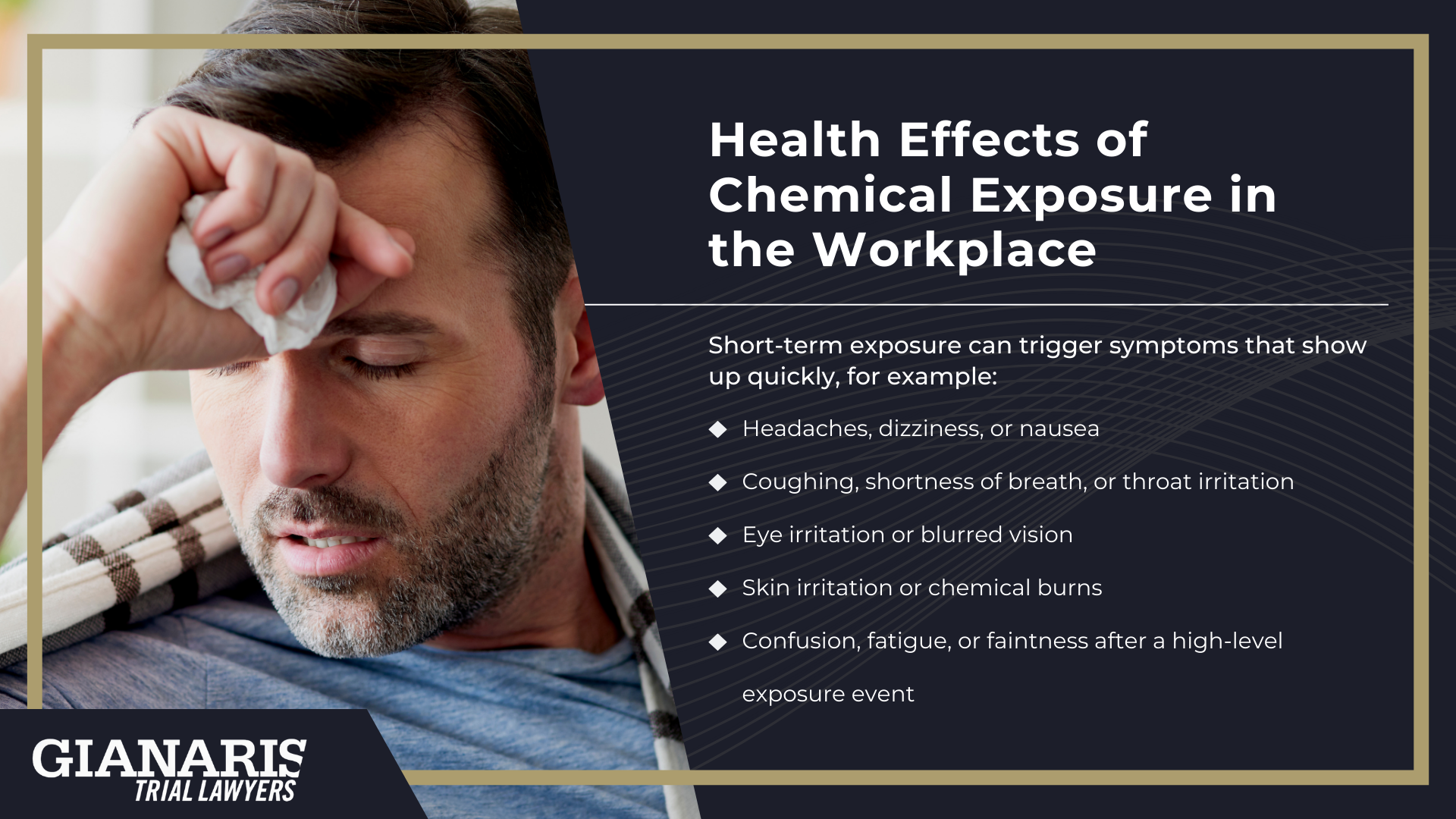
Health Effects of Chemical Exposure in the Workplace

The health effects of workplace chemical exposure can range from immediate injury to long-term disease.

The outcome depends on the substance involved, the dose, the route of exposure, and how long the exposure lasts.

Short-term exposure can trigger symptoms that show up quickly, for example:

  • Headaches, dizziness, or nausea
  • Coughing, shortness of breath, or throat irritation
  • Eye irritation or blurred vision
  • Skin irritation or chemical burns
  • Confusion, fatigue, or faintness after a high-level exposure event

Repeated or long-term exposure may contribute to adverse effects that develop gradually and can become harder to trace back to a single jobsite event, including:

  • Asthma or other reactive airway conditions
  • Chronic bronchitis and persistent respiratory symptoms
  • Nerve damage and ongoing numbness or tingling
  • Liver or kidney injury
  • Reproductive harm
  • Certain cancers, depending on the chemical and exposure history

Some substances can cause adverse health effects that continue after exposure ends because they persist in the body or damage organs over time.

Others can sensitize the immune system, meaning a worker becomes reactive to smaller and smaller amounts with repeated contact.

Evaluating risk often involves comparing workplace conditions to OSHA shows and other recognized exposure guidelines, along with reviewing how the substance behaves in the body.

Regulatory and public health information may also come from the Environmental Protection Agency (EPA) and related federal authorities that track hazards, chemical behavior, and population-level outcomes.

If you are experiencing symptoms or have been diagnosed with a condition you believe is linked to occupational exposure, early medical evaluation and thorough documentation can help clarify the cause and protect your legal options.

The Legal Process For Toxic Chemical Exposure Litigation

Toxic chemical exposure cases often turn on what the substance is, how it behaves, and how the exposure happened on the job.

The physical properties of a chemical can shape the entire claim, from how it enters the body to what evidence is needed to prove contact and harm.

Because many chemicals are used across general industry, liability questions usually focus on safety rules, warnings, and whether the worksite took reasonable prevention steps.

Exposure can occur in several ways, but inhalation is the most common way workers encounter airborne contaminants in chemicals in the workplace.

In practice, the process starts with building a documented link between exposure history and a medically supported injury.

The legal process typically follows these steps:

  1. Initial intake and exposure history: The worker describes job duties, timelines, the substances involved, and the most common way exposure occurred, such as breathing dusts, fumes, or vapors.
  2. Medical evaluation and causation development: Attorneys review records and connect the diagnosis to workplace exposure patterns, including latency and dose concerns tied to many chemicals and other substances.
  3. Records collection and investigation: The legal team gathers employment records, incident reports, training materials, safety data sheets, and internal communications, then compares practices to general industry standards and Occupational Safety and Health Administration (OSHA) guidance.
  4. Liability analysis and responsible parties: The case is evaluated for fault by employers, contractors, and product manufacturers, including whether warnings and training adequately informs workers about hazards.
  5. Expert review and exposure reconstruction: Industrial hygiene and medical experts analyze the physical properties of the chemicals and assess likely exposure levels based on processes, ventilation, and protective equipment.
  6. Claim filing: Depending on the facts, the case may proceed as a workers’ compensation claim, a third-party civil lawsuit, or both, subject to jurisdiction-specific rules and deadlines.
  7. Discovery and evidence development: Both sides exchange documents, take sworn testimony, and test the reliability of opinions about exposure, prevention practices, and medical causation.
  8. Motions, negotiation, and resolution: The parties may litigate key legal issues, pursue settlement discussions, or prepare for trial if a fair resolution is not reached.

Throughout the case, technical evidence matters, including how the chemical disperses, whether it accumulates, and what controls were feasible on the jobsite.

Regulatory and public health sources, including Health and Human Services materials, can help frame what is known about certain exposures and disease risk.

OSHA standards and general industry safety practices often provide a benchmark for what the workplace should have done to reduce exposure.

A strong claim is built on clear documentation of job tasks, the substances involved, and the medical record supporting the injury.

Gathering Evidence for a Chemical Exposure Lawsuit

Building a chemical exposure case starts with documenting what you were exposed to and when it happened.

The goal is to tie the work environment and job duties to a clear medical timeline. Medical records help show symptoms, diagnoses, and treatment patterns that align with the exposure history.

Employment records help confirm where you worked, what tasks you performed, and who controlled the conditions of the jobsite.

In some workplaces, medical surveillance programs create an additional paper trail that can support or challenge what the employer knew about risks.

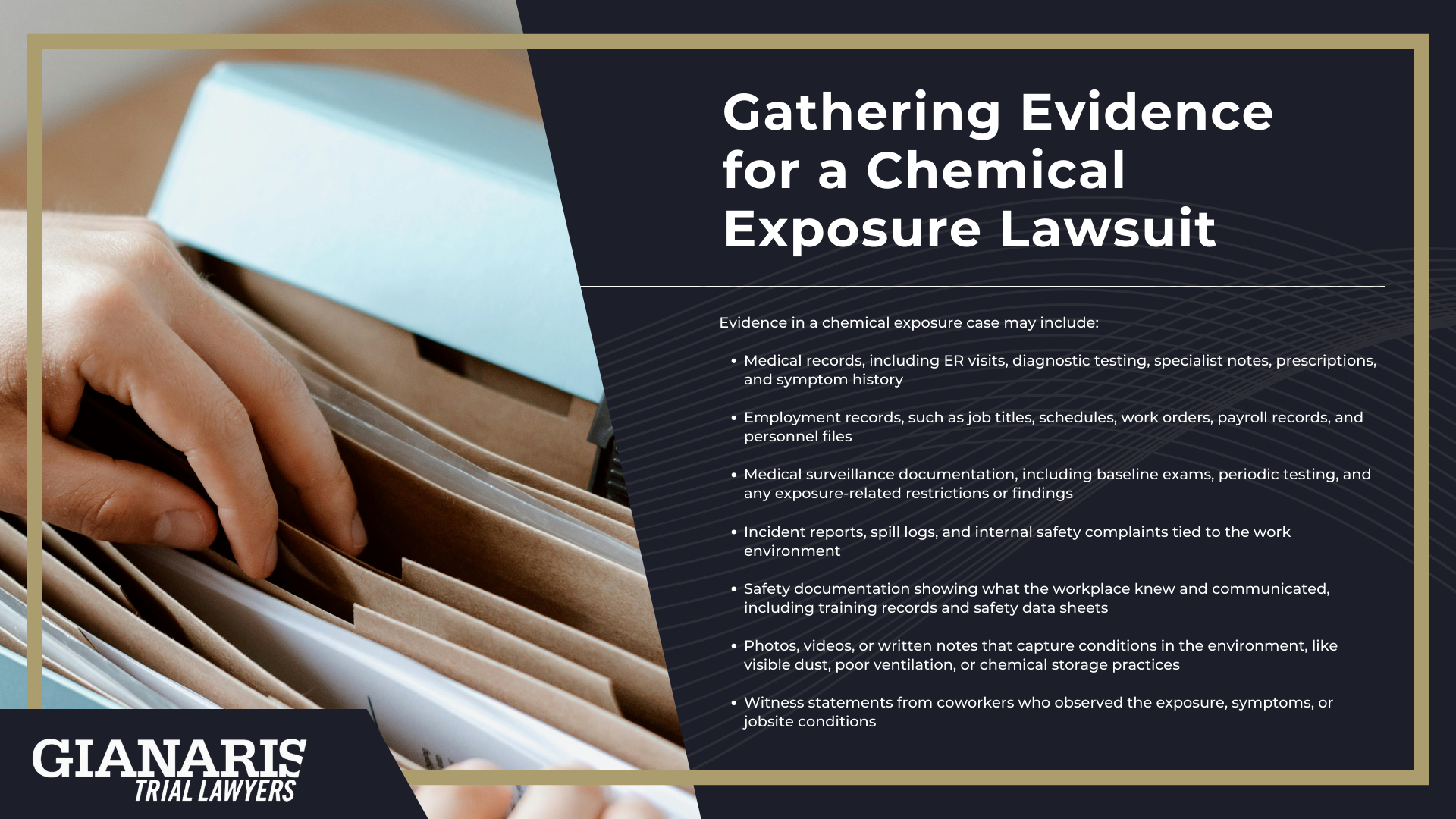
Evidence in a chemical exposure case may include:

  • Medical records, including ER visits, diagnostic testing, specialist notes, prescriptions, and symptom history
  • Employment records, such as job titles, schedules, work orders, payroll records, and personnel files
  • Medical surveillance documentation, including baseline exams, periodic testing, and any exposure-related restrictions or findings
  • Incident reports, spill logs, and internal safety complaints tied to the work environment
  • Safety documentation showing what the workplace knew and communicated, including training records and safety data sheets
  • Photos, videos, or written notes that capture conditions in the environment, like visible dust, poor ventilation, or chemical storage practices
  • Witness statements from coworkers who observed the exposure, symptoms, or jobsite conditions

Damages in Chemical Exposure Lawsuits

Damages are the losses a person suffers because of a chemical exposure, including both financial costs and the human impact of an illness or injury.

In these cases, damages often grow over time because treatment can be ongoing, symptoms may worsen, and some conditions limit a person’s ability to keep working.

A lawyer helps assess damages by collecting medical bills, income records, and documentation showing how the condition affects daily life.

The lawyer also works with medical and financial professionals when needed to estimate future care needs and long-term earnings loss.

Because exposure-related illnesses can involve multiple causes and long timelines, careful documentation matters when connecting the diagnosis to specific losses.

The goal is to present a clear, defensible calculation based on records, not assumptions.

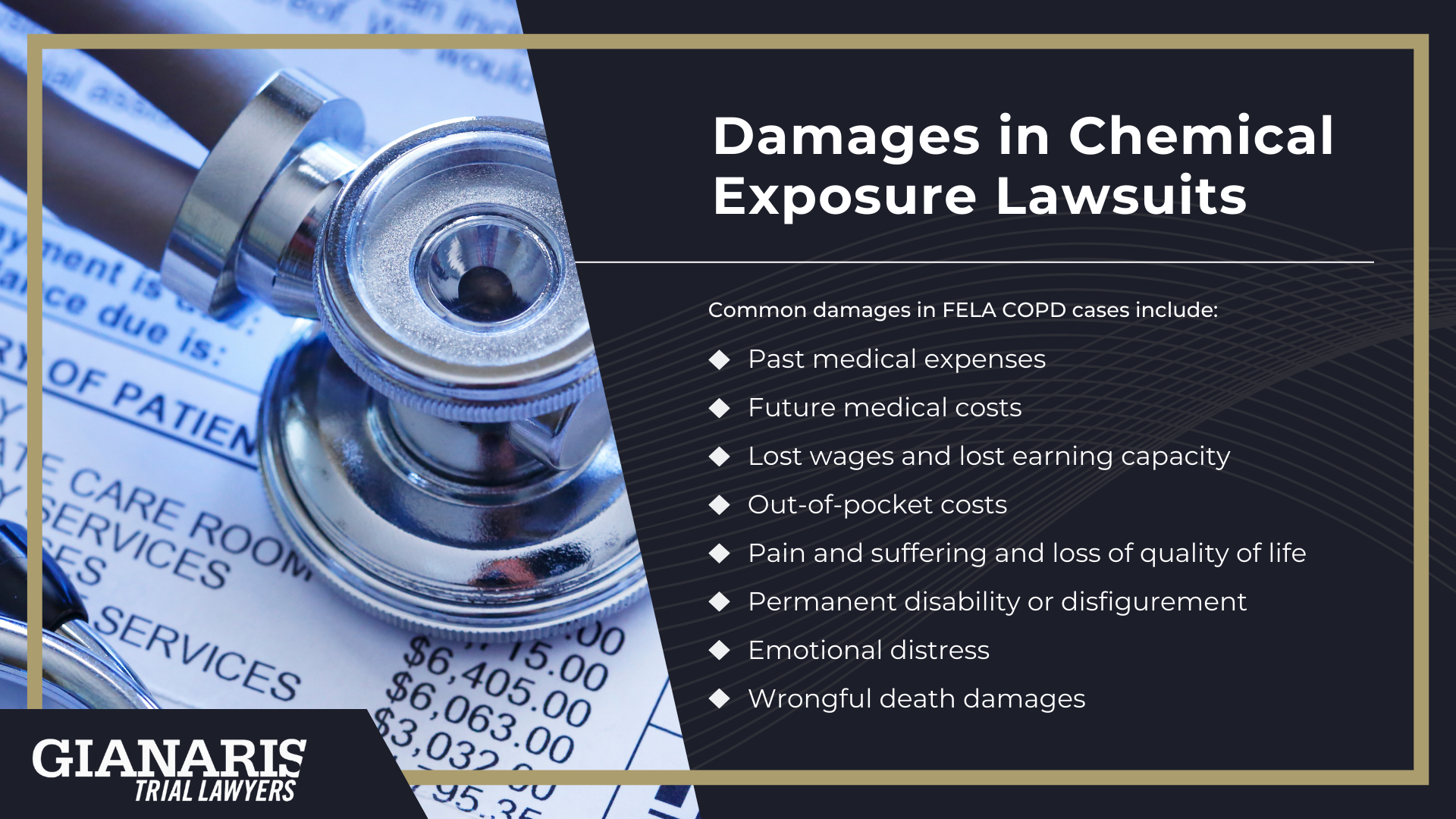
Damages in these cases may include:

  • Past medical expenses (hospital care, testing, medications, follow-up treatment)
  • Future medical costs (ongoing treatment, monitoring, rehabilitation, assistive devices)
  • Lost wages and lost earning capacity
  • Out-of-pocket costs (travel for care, home assistance, related expenses)
  • Pain and suffering and loss of quality of life
  • Permanent disability or disfigurement
  • Emotional distress and related mental health treatment
  • Wrongful death damages in fatal cases, including funeral expenses and loss of financial support

Gianaris Trial Lawyers: Investigating Types of Chemical Exposure in the Workplace

Gianaris Trial Lawyers investigates different types of chemical exposure in the workplace with one goal: build a case that holds the right parties accountable and forces meaningful responsibility.

We start by mapping how the worker was exposed, what chemicals were used, how they were handled, what protections were missing, and what hazards were ignored.

We evaluate whether employers took reasonable steps to keep employees safe, including training, ventilation, safe storage, and adequate protective equipment designed to protect workers from fumes, dust, and skin contact.

Our team reviews toxicology and medical evidence, consults qualified experts, and uses authoritative references and additional resources, including fact sheet materials and additional resources related to occupational exposure, to support a clear, evidence-based narrative.

If the exposure involved asbestos, heavy metals, or other high-risk substances, we dig into how the chemicals were present, who supplied them, and who controlled the safety decisions.

If you believe you were exposed to harmful chemicals at work and you’re dealing with serious health effects, contact Gianaris Trial Lawyers to discuss what happened and what legal options may be available.

You can also use the chatbot on this page to see if you qualify immediately.

Frequently Asked Questions

  • What are the most common types of chemical exposure in the workplace?

    Workplace chemical exposure usually occurs when workers come into contact with hazardous substances during routine job duties.

    The most common types of exposure are defined by how chemicals enter the body, rather than by a single substance or industry.

    Many jobs involve more than one exposure route at the same time, especially in industrial, construction, and maintenance settings.

    Identifying the type of exposure helps clarify potential health risks and legal responsibility.

    Common types of workplace chemical exposure include:

    • Inhalation exposure from breathing in dusts, fumes, vapors, gases, or mists
    • Dermal exposure through skin contact with liquids, powders, or contaminated surfaces
    • Ingestion exposure from hand-to-mouth transfer of chemicals during eating, drinking, or smoking
    • Eye exposure from splashes, airborne irritants, or settled particles
    • Injection or puncture exposure from high-pressure equipment, cuts, or contaminated tools
  • What symptoms should make me worry about workplace chemical exposure?

    Symptoms can show up immediately or slowly, depending on the substance and how long you were exposed.

    Common early warning signs include headaches, dizziness, nausea, coughing, shortness of breath, rashes, chemical burns, and eye irritation.

    If symptoms persist, worsen, or return every time you’re at work, that pattern can be an important clue that chemical exposure played a role.

  • How do I know which chemical caused my health problem?

    You do not have to identify the exact chemical on your own to take action, but documenting what you can matters.

    Request the Safety Data Sheets (SDS) for products used in your area, note your job tasks, and write down when symptoms started and what makes them worse.

    Occupational health professionals and qualified experts can help connect exposure history to medical findings, especially when an employer used multiple hazardous substances over time.

  • What evidence helps support a chemical exposure claim?

    Evidence in a chemical exposure claim is used to show what substance was involved, how the exposure occurred, and how it relates to a worker’s medical condition.

    Medical documentation helps establish when symptoms began and how the condition progressed over time.

    Workplace records help confirm the presence of chemicals and the tasks that created exposure.

    Scientific and regulatory references can support whether a substance is known to cause the type of harm alleged.

    Guidance from public health authorities often helps frame what levels of exposure are considered hazardous.

    Evidence may include:

    • Medical records showing diagnoses, treatment history, and symptom onset
    • Employment and jobsite records identifying tasks, schedules, and exposure conditions
    • Safety data sheets and internal safety policies addressing chemical hazards
    • Industrial hygiene reports or exposure assessments, when available
    • Scientific and regulatory references, including the NIOSH Pocket Guide from the National Institute for Occupational Safety and Health
    • Public health information from the Centers for Disease Control that links specific chemicals to documented health effects
  • Who can be held responsible for chemical exposure in the workplace?

    Responsibility may fall on more than one party, depending on how the exposure happened and who controlled safety decisions.

    Employers can be liable when they fail to provide proper training, ventilation, labeling, or protective equipment, or when they ignore hazards and exposure limits.

    Manufacturers and suppliers may also be responsible if a product was defectively designed, improperly labeled, or lacked adequate warnings about its risks.

  • What are common health effects of workplace chemical exposure?

    Workplace chemical exposure can affect multiple body systems, depending on the substance, dose, and length of exposure.

    Some health effects appear quickly after contact, while others develop slowly after repeated exposure over months or years.

    Respiratory harm is common when chemicals are inhaled, and long-term exposure has been linked to serious diseases, including lung cancer in certain occupational settings.

    The digestive system can be affected when chemicals are swallowed indirectly through contaminated hands or surfaces.

    Some substances damage the nervous system, leading to neurological damage that interferes with movement, sensation, or cognitive function.

    The severity of these outcomes often depends on how long the exposure continued and whether protective measures were in place.

    Health effects of workplace chemical exposure include:

    • Immediate irritation and inflammatory reactions
      • Burning or watering eyes, blurred vision
      • Nose and throat irritation, persistent coughing
      • Wheezing, chest tightness, shortness of breath
      • Skin irritation, rashes, or chemical burns
    • Acute toxicity symptoms after a high-level exposure
      • Headaches, dizziness, confusion, fainting
      • Nausea, vomiting, abdominal cramping, diarrhea affecting the digestive system
      • Severe fatigue, weakness, tremors
    • Chronic respiratory disease
      • Asthma or reactive airway dysfunction after irritant exposure
      • Chronic bronchitis and long-term cough with phlegm
      • Reduced lung function or scarring from repeated inhalation of dusts or fumes
    • Neurological damage and nervous system effects
      • Numbness, tingling, burning sensations, or weakness in the hands and feet
      • Problems with balance, coordination, or fine motor control
      • Memory and concentration problems, mood changes, sleep disruption
    • Liver and kidney injury
      • Abnormal liver enzymes, hepatitis-like inflammation, long-term liver impairment
      • Kidney dysfunction that can show up in lab work before symptoms become obvious
    • Digestive and oral effects
      • Ongoing nausea, appetite changes, reflux, or stomach pain after repeated ingestion of residue
      • Mouth and throat irritation from contaminated dust or aerosol settling on food and drink
    • Blood and immune system effects
      • Anemia or abnormal blood counts in certain exposure scenarios
      • Sensitization, where reactions become more severe with smaller exposures over time
    • Reproductive and developmental harm
      • Fertility impacts, miscarriage risk, or pregnancy complications tied to certain chemicals
    • Cancer and pre-cancer outcomes linked to specific long-term exposures
      • Lung cancer in occupational inhalation settings
      • Bladder cancer associated with certain industrial chemical exposures
      • Leukemia and other blood cancers linked to specific solvent or petrochemical exposures
      • Liver cancer risk in exposures that heavily involve liver-toxic compounds
      • Mesothelioma and other asbestos-related cancers in legacy industrial and construction environments
    • Skin disease that becomes chronic
      • Persistent dermatitis that cracks, bleeds, or flares with minor contact
      • Skin thickening or scarring after repeated chemical irritation or burns
    • Severe events that require emergency care
      • Chemical pneumonitis after inhaling high concentrations
      • Oxygen-displacement or toxic gas exposure leading to collapse or loss of consciousness
  • What are OSHA's regulations on chemical hazards in the workplace?

    OSHA regulates chemical hazards through enforceable standards designed to limit worker exposure and reduce the risk of illness or injury.

    It sets permissible exposure limits (PELs) for many hazardous substances and expects employers to control exposures to those limits to protect workers from health effects.

    OSHA also requires engineering controls and work practice controls to be the primary methods of reducing exposure to toxic chemicals, rather than relying on personal protective equipment first.

    When effective engineering controls are not feasible, employers must provide appropriate respiratory protection at no cost to workers.

    OSHA’s Hazard Communication Standard (HCS) requires employers to alert workers to the presence of toxic substances and provide training on safe handling practices, and these requirements apply across general industry, maritime, and construction.

    OSHA chemical exposure regulations:

    • PELs: OSHA sets enforceable exposure limits for many hazardous substances.
    • Controls first: Engineering and work practice controls are the primary exposure-reduction methods OSHA expects.
    • Respiratory protection: If engineering controls are not feasible, employers must provide respirators at no cost to workers.
    • Hazard Communication Standard: Employers must communicate chemical hazards and protective measures (labels, safety information, training).
    • Worker notification and training: Employers must alert workers to toxic substances present and train them on safe handling.
    • Coverage: Chemical exposure standards apply in general industry, maritime, and construction.
Published by:
Share
Picture of Ted Gianaris
Ted Gianaris

With nearly 30 years of legal experience, Attorney Ted Gianaris has secured over $350 million in compensation for Illinois injury victims, car accident victims, and surviving family members of wrongful death victims.

This article has been written and reviewed for legal accuracy and clarity by the team of writers and attorneys at Gianaris Trial Lawyers and is as accurate as possible. This content should not be taken as legal advice from an attorney. If you would like to learn more about our owner and experienced Illinois injury lawyer, Ted Gianaris, you can do so here.

Gianaris Trial Lawyers does everything possible to make sure the information in this article is up to date and accurate. If you need specific legal advice about your case, contact us. This article should not be taken as advice from an attorney.

Additional Chemical Exposure Lawsuits resources on our website:
All
FAQs
Injuries & Conditions
Legal Help
Occupations
Settlements & Compensation
You can learn more about Chemical Exposure Lawsuits below:
Can I Sue My Employer for Workplace Chemical Exposure?
Chemical Exposure FAQs
Chemical Exposure Lawsuits

Other Chemical Exposure Lawsuits Resources

All
FAQs
Injuries & Conditions
Legal Help
Occupations
Settlements & Compensation